
Last updated November 15, 2026
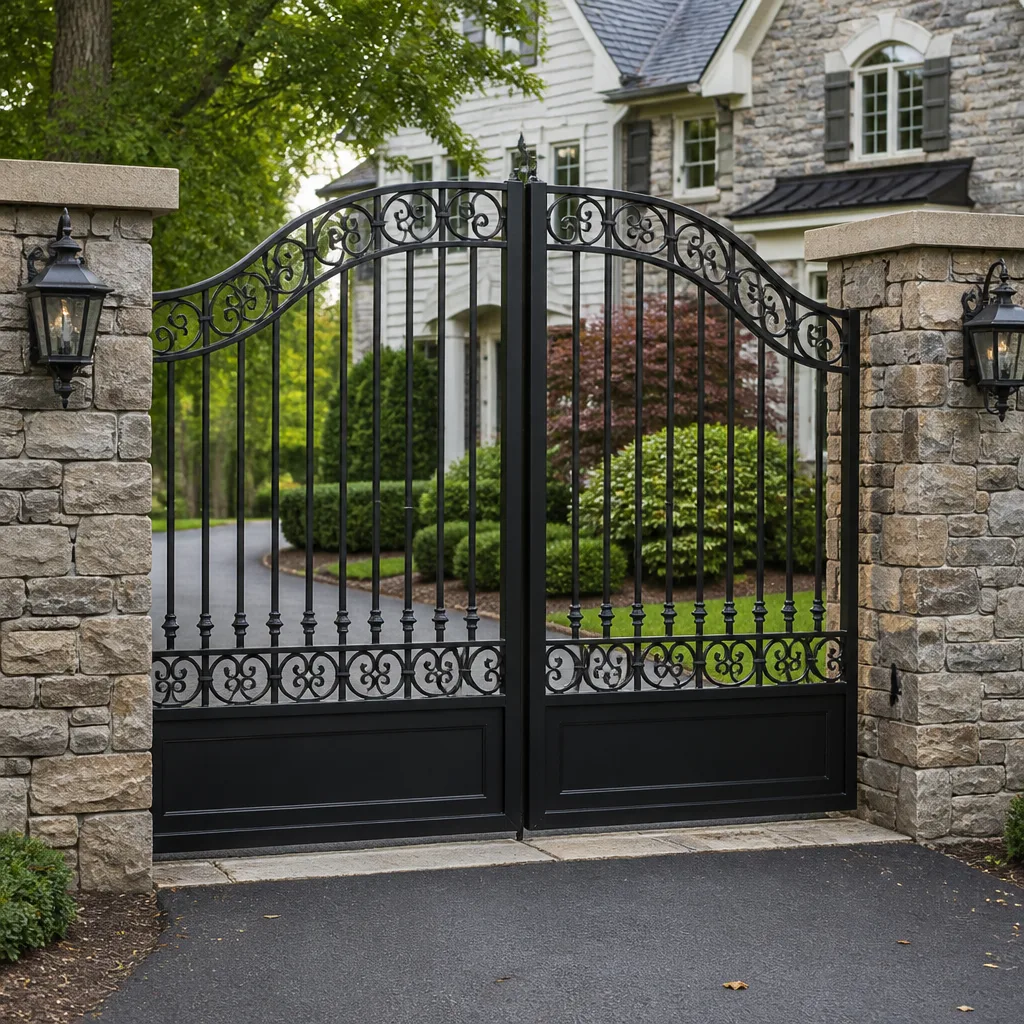 Wrought iron
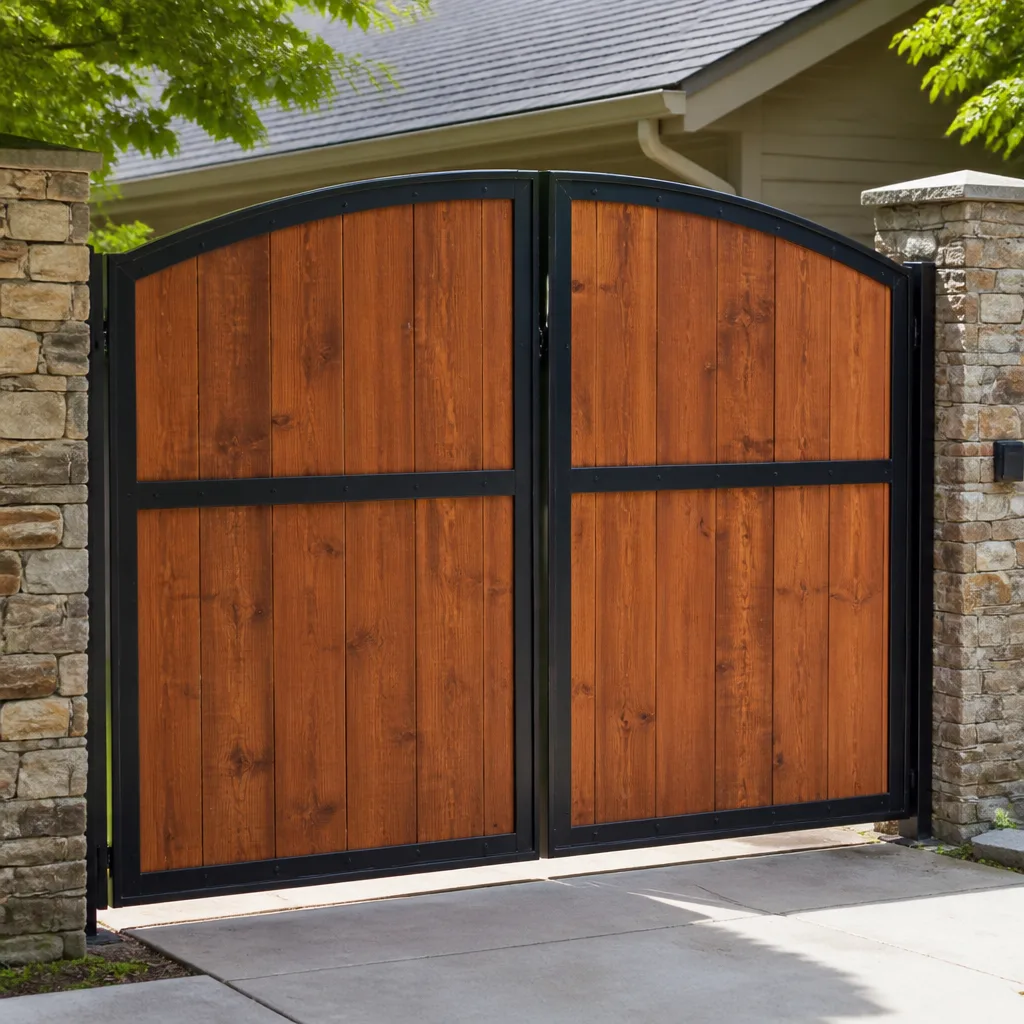 Wood & steel frame
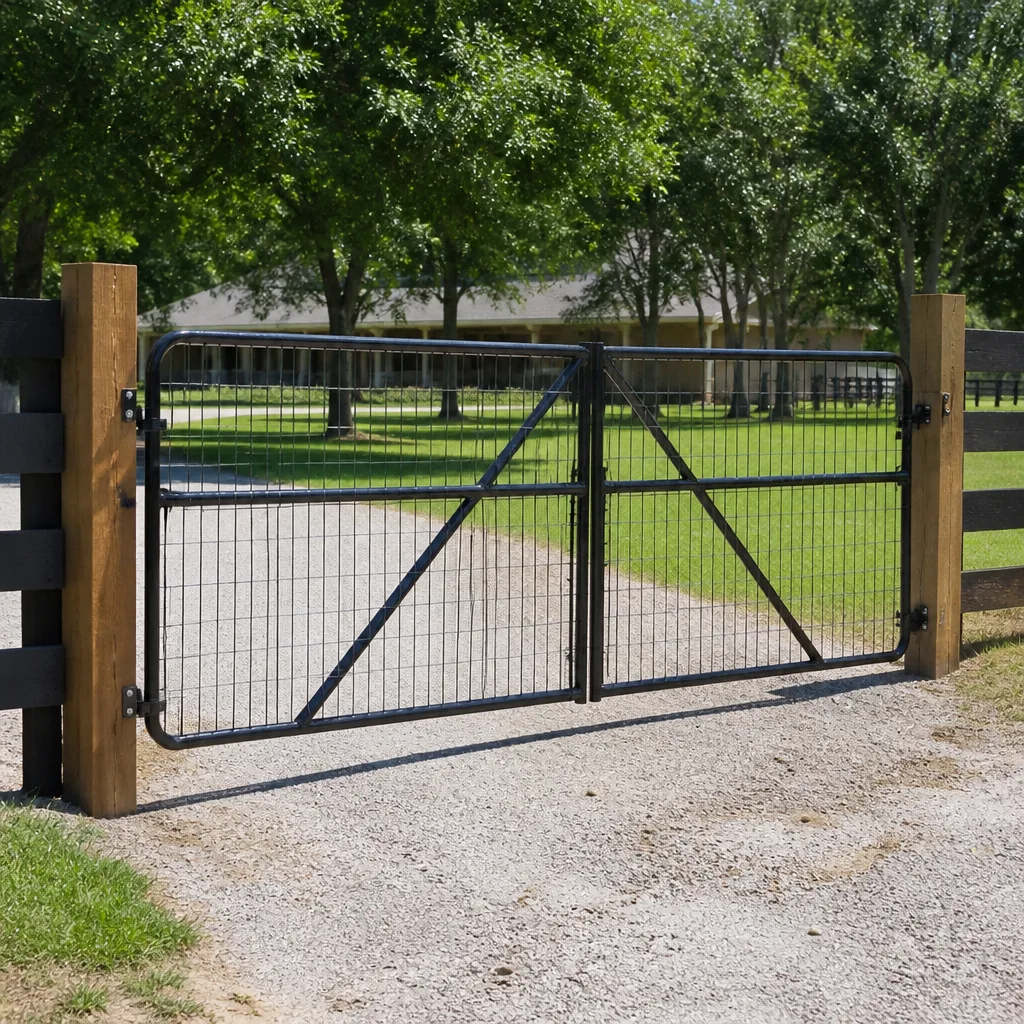 Farm & ranch
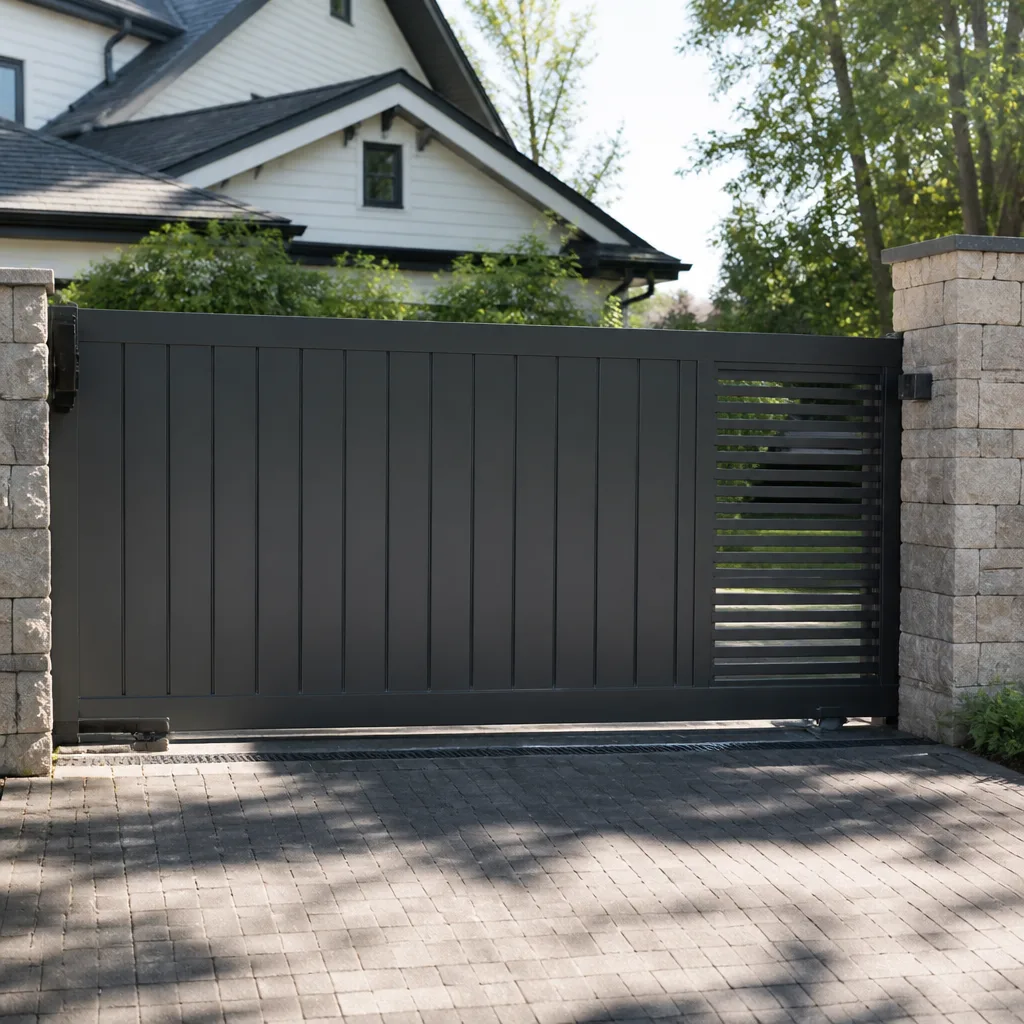 Sliding driveway gates
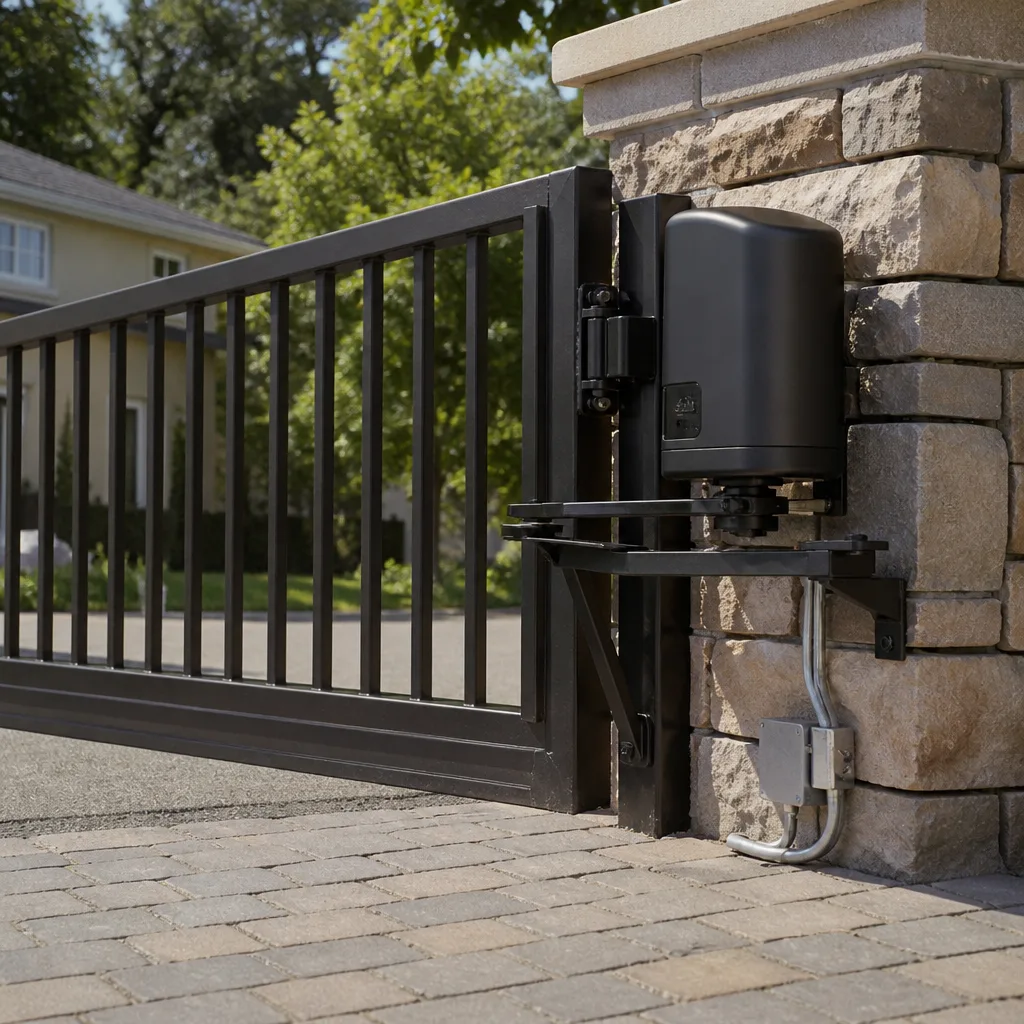 LiftMaster operators
Free on-site gate assessment - hinges, posts, and your LiftMaster or Nice gate operator checked before anything is quoted
The assessment is free and the quote is the invoice.
Get your free estimateGate Repair Maintenance Checklist for Bellevue Homeowners
The usual advice to lubricate your gate twice a year misses what actually wears gates down here. In western Washington, three quieter forces do most of the damage: water that pools at the post base and never leaves, damp air that keeps operator circuit boards from ever fully drying out, and the slow corrosion that creeps into welds on any property near the water. None of that shows up on a generic checklist. This guide walks the gate component by component, so you know what to check, how often, and where the line sits between an afternoon task you can do and a job that needs a gate specialist in Bellevue. You’ll finish knowing exactly what your gate needs to stay working through another wet season.
Quick Answer
A gate maintenance checklist for Bellevue should focus on four things: keeping water away from the post base, inspecting hinges and welds for corrosion, testing travel limits and safety reversal every month or two, and knowing which operator brands need which checks. Check the gate structure on a monthly walk-around, and have a gate technician inspect the operator and electrical components once a year. The tasks you can safely do yourself are cleaning, watching, and testing. Anything involving wiring, the control board, or heavy gate panels needs a trained professional.
Styles & brands we work with
- Wrought iron
- Wood & steel frame
- Farm & ranch
- Sliding driveway gates
- LiftMaster operators
Table of Contents
- Why Bellevue’s Climate Wears Gates Differently
- Post and Hinge Inspection for Bellevue Soil
- Operator Maintenance Intervals by Brand
- How to Check Travel Limits and Safety Reversal
- Spotting a Corroded Weld Before It Fails
- What You Can Do Yourself vs. What Needs a Technician
- A Seasonal Walk-Through for Bellevue Properties
Why Bellevue’s Climate Wears Gates Differently
Most national checklists are written for a dry climate and a deep winter freeze. That doesn’t match what happens to a gate in Bellevue. Here the ground rarely freezes hard enough to heave a post out, but it stays wet for months. Water settles into the soil around the post, sits against the steel, and works on it slowly. The result is a different failure pattern than you’d see in a colder, drier place, and it changes what your maintenance should target.
The three stressors that matter most in this area:
- Standing water at the post base. Constant moisture at the footing is the leading cause of post rot and base corrosion. When drainage is poor, water pools and never leaves, so the bottom of the post stays soaked.
- Damp air on electronics. Operator control boards and battery enclosures that never fully dry out corrode at their connections. That’s why automated gate repair calls often trace back to a board or a terminal rather than a mechanical part.
- Corrosion near the water. Any property close to the Sound or low-lying in the area sees faster oxidation on welds, hinges, and hardware. It’s gradual, but it’s steady.
None of this means your gate is doomed. It means your checklist should emphasize drainage, corrosion watch, and moisture control on the electrical side far more than the average guide does. That’s the lens we use when we look at a gate in Bellevue, and it’s the structure of everything below.
Post and Hinge Inspection for Bellevue Soil
Bellevue sits on clay-heavy soil in many neighborhoods, and that matters for your gate. Clay drains slowly. Frost heave is mild here, so the ground doesn’t push posts up the way it does in colder regions, but the constant moisture settling around a footing is a bigger, quieter problem. The post stays damp, the wood or steel base weakens over time, and the gate starts to sag or swing unevenly before you notice why.
Run this inspection monthly, and look closely after any stretch of heavy rain:
- Walk to the post base and look for standing water. If you see a puddle that lingers a day after rain, drainage is the problem. That’s the first thing to fix.
- Check the soil line for softness or a hollow feel. Press a screwdriver handle against the ground at the base. If it sinks easily, the soil is saturated.
- Look at the base of the post itself. Rust staining, flaking paint, or a visibly soft edge on wood means moisture has been working there.
- Open and close the gate by hand. A gate that used to swing smooth and now drags or catches tells you the post or hinge has shifted.
- Inspect hinges for play and corrosion. Wobble, grinding, or rust at the pin means they need attention. Grease the hinges lightly with the gate closed, wiping off excess.
- Check the gate for square. A gate that sags at the latch side is a sign the hinge or post has moved. Don’t force the latch to compensate.
If you find water pooling, the fix is drainage before it’s anything else: regrade the soil, clear a path for runoff, or have the footing assessed. Sagging or a post that has shifted needs a gate technician, because correcting it wrong can make the gate bind against the operator. Our technicians have up to experience reading these failures, and the post is almost always where the story starts in Bellevue.
Operator Maintenance Intervals by Brand
“Check the battery” is not a maintenance plan. Automated gate operators from different manufacturers have different service rhythms, and knowing yours keeps small issues from becoming control board failures. The brands we see most on Bellevue properties each have their own habits, and here’s how we think about the intervals for each.
- LiftMaster: Reliable, but the battery backup and the limit settings deserve a check a couple of times a year. Listen to the motor under load; a strained sound points to a limit or obstruction issue before it’s a board.
- DoorKing: Common on multi-family and commercial entrances. The access and intercom side and the loop detector need periodic testing, since a failing loop reads as a phantom problem with the gate itself.
- Elite: Check the control board and its connections for moisture, especially after the wet months. Terminal corrosion is a frequent culprit when an Elite operator gets erratic.
- Mighty Mule: Often on residential swing gates. The battery and solar charging (if fitted) are the usual suspects when the gate slows or stops, so a charge check and terminal cleaning go a long way.
Across all of them, the pattern is the same: moisture in the enclosure, loose terminals, and limits that have drifted. We work on these systems regularly, and a once-a-year inspection by someone who knows the specific operator catches most of it before it strands you. When an operator misbehaves, electric gate repair is its own specialty, and it’s what we do. If your system is one we don’t regularly see, Bellevue gate repair still starts with diagnosing the actual operator in front of us rather than guessing.
How to Check Travel Limits and Safety Reversal
Travel limits tell the gate where to stop opening and closing. Safety reversal is what makes it stop and back off when it meets an obstruction. These two settings are the ones homeowners almost never touch, and they’re the ones that cause damage when they drift. You can test both yourself without tools, and you should, every month or two.
Here’s the safe way to check them:
- Watch the full open and close cycle. The gate should stop cleanly at each end, at the same point every time. If it creeps past the stop or reverses early, the limits need resetting.
- Test the reversal by hand, carefully. While the gate is closing, press firmly against the leading edge with a flat hand. It should stop and reverse. Do not put your body in the path; use a firm push and stay clear of the swing or slide.
- Check any safety edges or photo-eyes. Pass something through a photo-eye beam, or press a safety edge if fitted, and confirm the gate responds. These are wired components, so if they don’t respond, stop and call.
- Note any change. A gate that reverses late, or doesn’t reverse at all, is a real hazard. Don’t keep using it until it’s fixed.
The limits themselves live in the operator’s control settings, and on most brands resetting them wrong can cause the gate to drive into its stops and bend hardware. If your reversal test fails, that’s a job for a gate technician, not a handyman. We check and adjust both settings on every service visit because a gate that won’t reverse is the one thing we never leave working half-right in Bellevue. When something feels off, an electric gate repair visit is the fastest way to get it safe again.
Spotting a Corroded Weld Before It Fails
A failing weld rarely announces itself. It shows up as small cues that build over months, and catching them early is the difference between a touch-up and a structural repair. On any metal gate, especially near the water or on a damp property, welds at the corners, hinges, and frame joints are the places to watch.
What to look for:
- Rust blooming at a joint. A streak or a bloom of rust right at the weld line means water is getting in and the metal is thinning.
- Flaking paint over a seam. Paint that lifts or flakes along a weld is often hiding corrosion underneath.
- A hairline crack. Look closely at frame corners and hinge mounts. A fine dark line that wasn’t there before is a crack starting.
- Flex or a squeak under load. If the gate flexes at a corner when you push it, or a joint squeaks, that connection is loosening.
- Rattling when the gate moves. A rattle from a joint can mean a weld has already let go.
You can clean and touch up surface rust yourself, and that’s worth doing. What you shouldn’t do is grind or re-weld a structural joint on a heavy gate. A gate panel that fails under load can crush, and a bad repair can hide the problem until it does. If you see a crack or real flex, get a specialist on-site. We can also assess whether the gate is worth repairing or replacing, and a new gate installation is something we handle as well.
What You Can Do Yourself vs. What Needs a Technician
Knowing where the line sits protects both your gate and your safety. A lot of routine care is genuinely owner-friendly. The electrical and structural side is not, and treating it like a handyman job is how small problems get expensive.
Owner-serviceable:
- Cleaning the gate, tracks (on a slide gate), and photo-eyes of dirt and debris.
- Lightly greasing hinges and wiping off excess.
- Watching for standing water and improving drainage around the post.
- Touching up surface rust.
- Testing travel limits and reversal by hand, as described above.
Needs a gate technician:
- Anything inside the operator enclosure: control board, wiring, terminals, battery connections.
- Loop detectors, intercom, and access control integration.
- Safety edge and photo-eye wiring that isn’t responding.
- Resetting limits after a failed test.
- Cracked welds, a shifted post, or a gate panel that flexes.
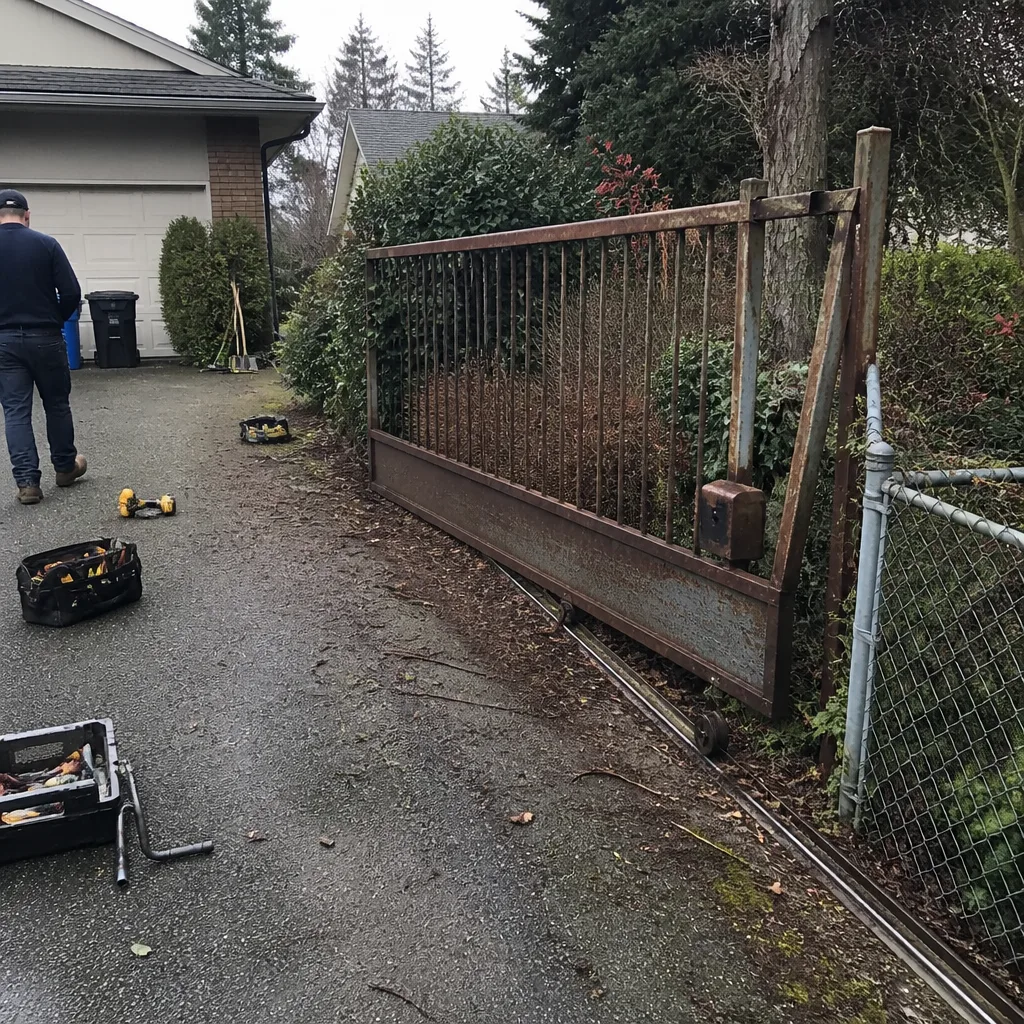
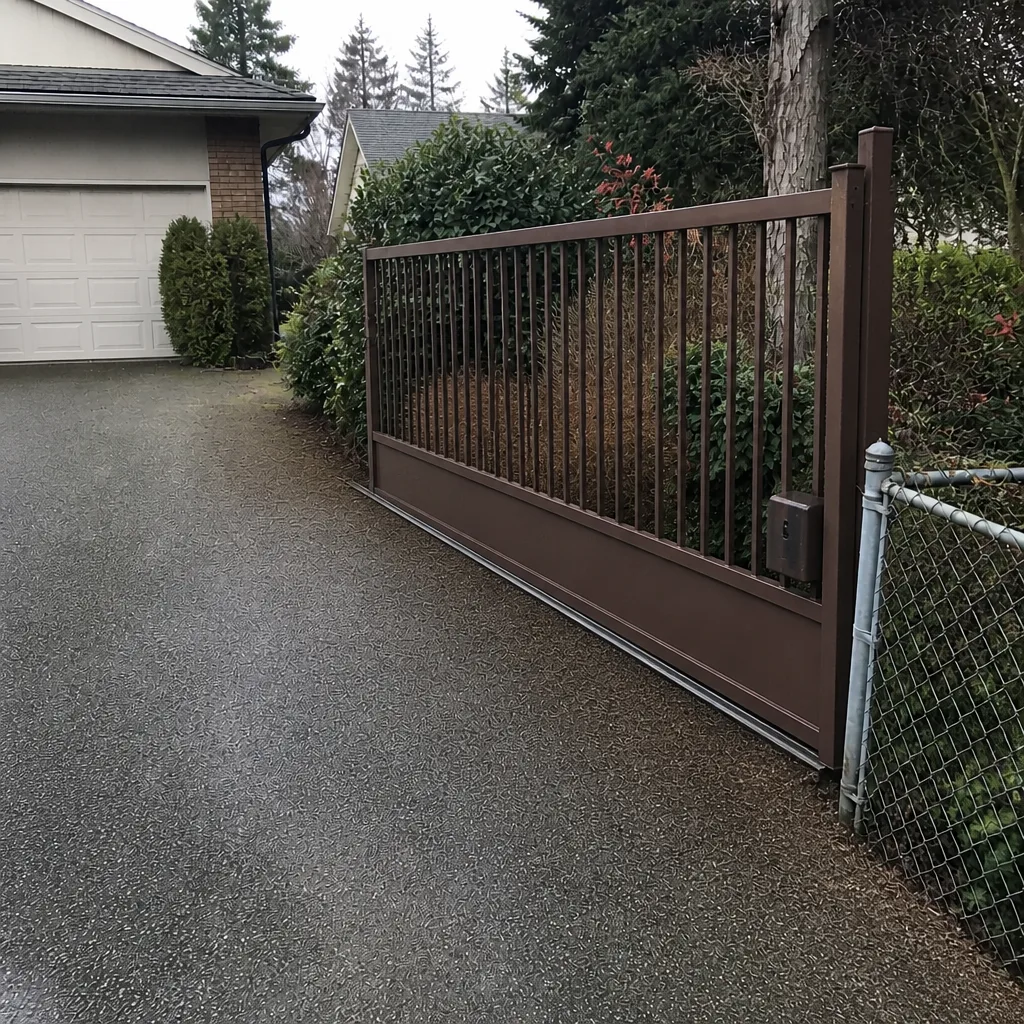
- Any heavy slide gate that has come off its track.
The reason for the split is simple. The dangerous parts of a gate are the operator’s wiring and power, the weight of the panels, and a slide gate that jumps its track. A general handyman turns most of that away, and rightly so. A gate specialist carries the diagnostic range for the whole system in a single visit, mechanical and electrical. If you’re unsure which side a task falls on, one call settles it. Our gate repair work covers both sides of that line.
A Seasonal Walk-Through for Bellevue Properties
Because the wet season drives most of the wear here, a seasonal rhythm works better than a fixed monthly chore list. The idea is to get ahead of the rain rather than react to it. Here’s how we’d structure a year of gate care for a property in Bellevue.
Before the wet months:
- Clear drainage around every post base so water has somewhere to go.
- Touch up any rust or flaking paint on welds and hardware.
- Check that operator enclosures and gaskets seal properly against damp air.
During the wet months:
- Walk the gate after heavy rain and check for standing water at the base.
- Look for new rust at joints and hinges.
- Test limits and reversal regularly, since moisture can make the operator behave erratically.
Dry-season check:
- Have the operator and electrical components inspected once a year by a gate technician.
- Reassess any weld or post you were watching, and confirm hinges still move freely.
This rhythm suits single homes, HOAs, and commercial entrances alike. A multi-family or commercial gate in the Bellevue area often carries heavier traffic, so the operator check matters even more. For a complex system, we can walk the property and put a real plan together based on what’s actually there.
Common Mistakes to Avoid
- Ignoring water at the post base. A puddle that lingers is the start of rot and corrosion. Fixing drainage early saves a much bigger repair later.
- Never testing safety reversal. A gate that doesn’t reverse can injure someone or damage a vehicle. Test it every month or two, and stop using the gate if it fails.
- Letting a handyman work on the control board. The operator’s wiring and power need a gate specialty. A guess on the electrical side often makes it worse.
- Over-lubricating hinges. Excess grease traps grit and holds moisture. Light and clean beats heavy.
- Forcing a sagging gate to latch. That hides a post or hinge problem and stresses the operator. Fix the cause instead.
- Assuming the battery is the only operator check. Limits, terminals, and moisture in the enclosure matter just as much on brands like LiftMaster and DoorKing.
- Putting off a cracked weld. A fine crack becomes a structural failure if you wait. Have a specialist read it early.
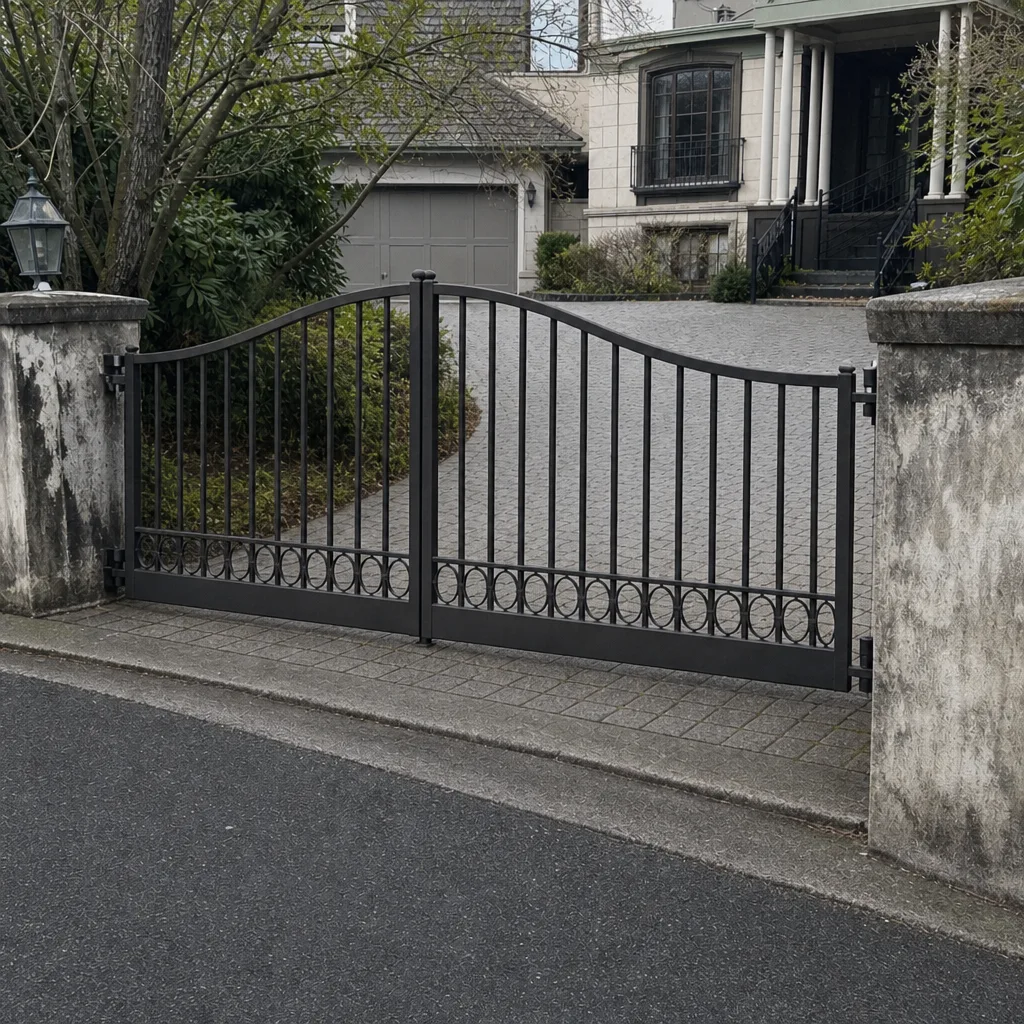
See the difference
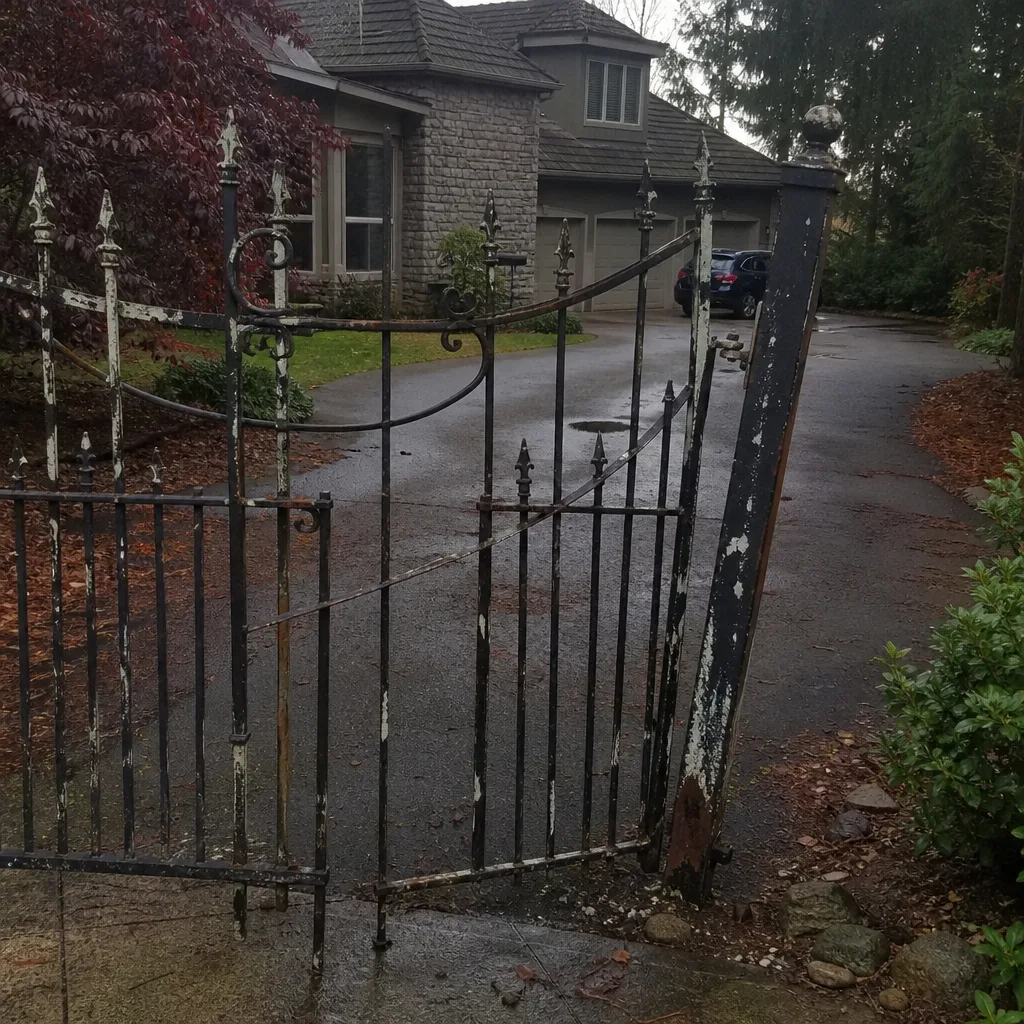 Before
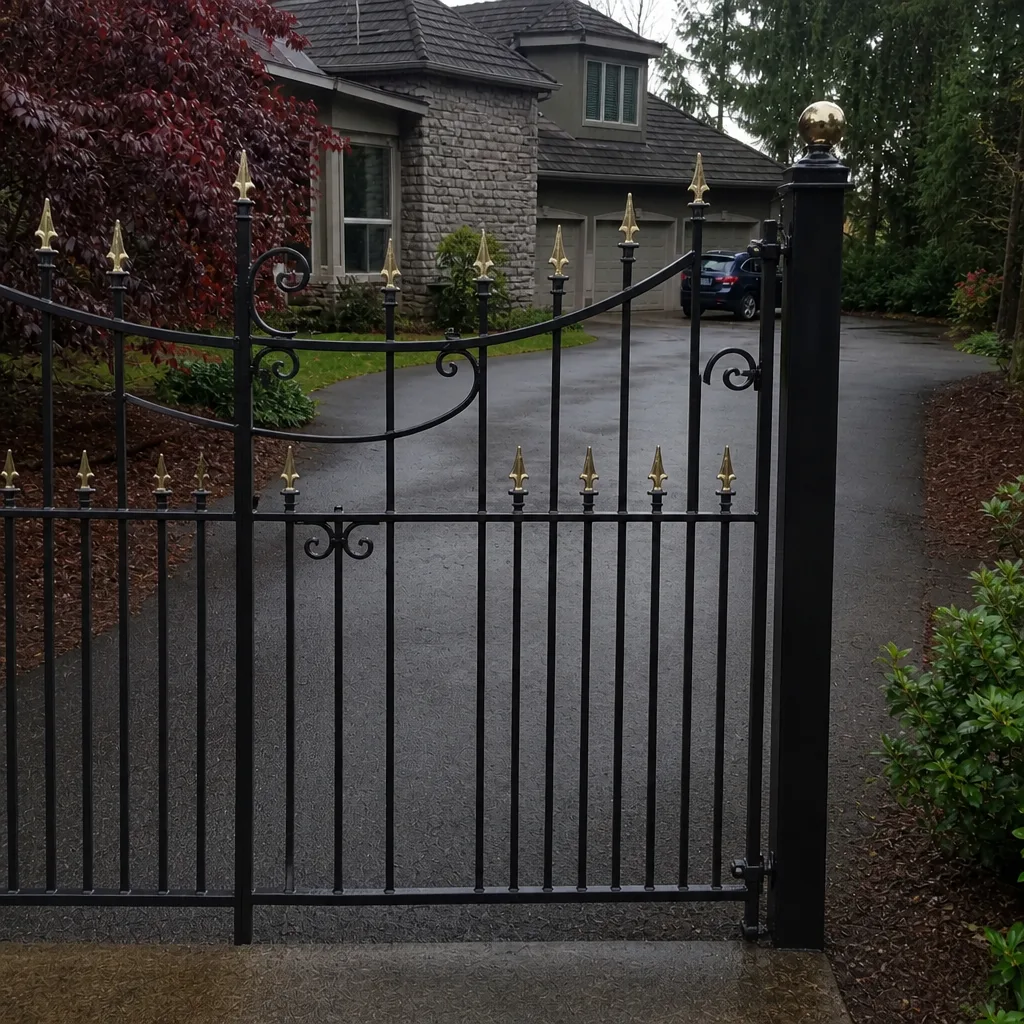 After
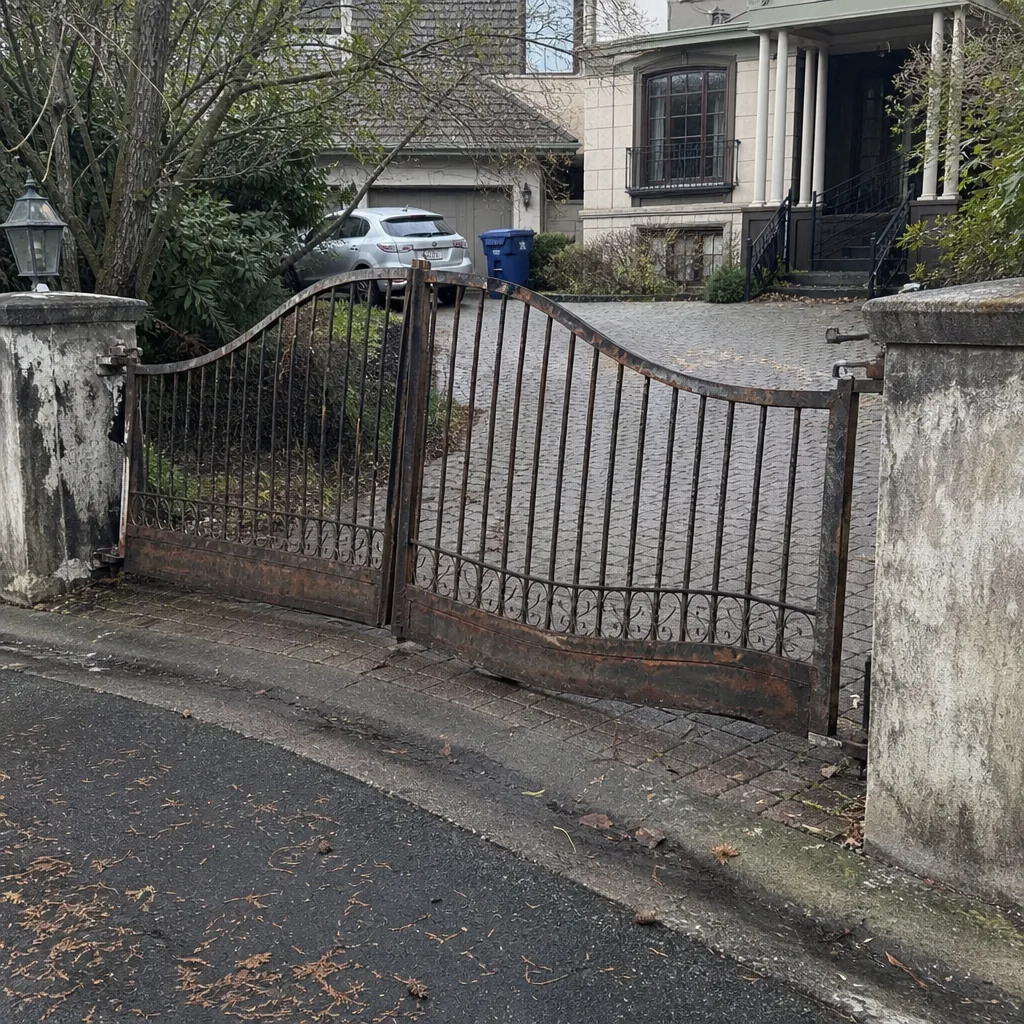 Before
 After
 Before
 After
When to Call a Professional
Some problems need a gate specialist, not another weekend of watching. Call when the gate stops reversing or reverses late, when the operator behaves erratically or won’t respond to the remote, or when a photo-eye or safety edge stops working. Call when you find a cracked weld, a post that has shifted, real flex in a gate, or a slide gate that has come off its track. Call when water keeps pooling at the base despite regrading, and when you simply don’t know whether the fault is mechanical or electrical. Automated gate repair is its own specialty, and it’s all we do. Bellevue Gate Repair offers free estimates in Bellevue. Call (855) 683-9015. We answer 24/7. Fast dispatch from 7am to 7pm, Sunday through Friday.
Frequently Asked Questions
Do a monthly walk-around for water at the post base, rust, and hinge movement, test travel limits and safety reversal every month or two, and have a gate technician inspect the operator and electrical parts once a year. The wet season drives the checks, so pay closer attention before and during the rainy months. Call (855) 683-9015 for a free estimate if anything looks off.
Yes, carefully. While the gate is closing, press firmly against the leading edge with a flat hand and stay clear of the path; it should stop and reverse. If it doesn’t reverse, stop using the gate and call a specialist. Call (855) 683-9015, and the estimate is free.
Clay-heavy Bellevue soil drains slowly, so water settles around the footing instead of sinking away. That constant moisture is the leading cause of post rot and base corrosion here. Improving drainage is the first fix. If the post already feels soft or the gate drags, call (855) 683-9015 for a free estimate.
Yes. LiftMaster, DoorKing, Elite, and Mighty Mule each have their own weak points, from battery and solar charging to loop detectors and control board connections. Knowing the brand tells us what to check first. We work on these systems regularly, so call (855) 683-9015 for a free estimate.
Cleaning, light hinge grease, drainage, and testing are owner-serviceable. Anything inside the operator enclosure, safety edge or photo-eye wiring, resetting limits, and structural welds or heavy panels need a gate technician. A general handyman turns most of that away. Call (855) 683-9015 and the estimate is free.
It depends on how far the corrosion has gone. A surface weld can often be repaired; a crack, real flex, or a joint that has failed may call for replacement. A specialist needs to look before you’ll know. Bellevue Gate Repair gives free estimates in Bellevue, so call (855) 683-9015.
The Bottom Line
A gate maintenance checklist for Bellevue should follow the local wear, not a generic calendar. Watch water at the post base, inspect welds and hinges for corrosion, test travel limits and safety reversal, and keep the operator dry and inspected once a year. Do the cleaning and watching yourself. Leave the wiring, the limits, and the structural repairs to a gate specialist. Our technicians have up to experience, and gate repair, electric gate repair, and installation are all we do. Call (855) 683-9015. We answer 24/7. Fast dispatch from 7am to 7pm, Sunday through Friday. Estimates are free.
Written by the team at Bellevue Gate Repair.