
Last updated November 15, 2026
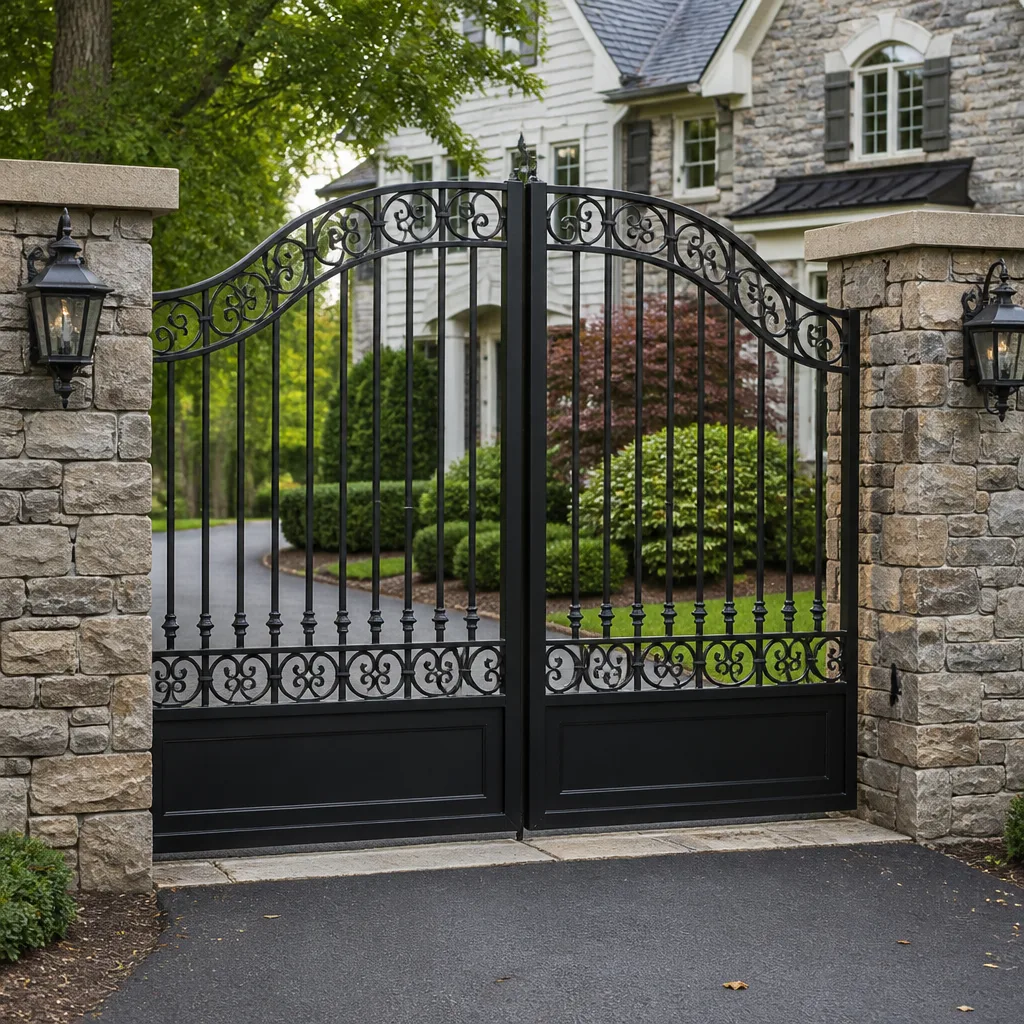 Wrought iron
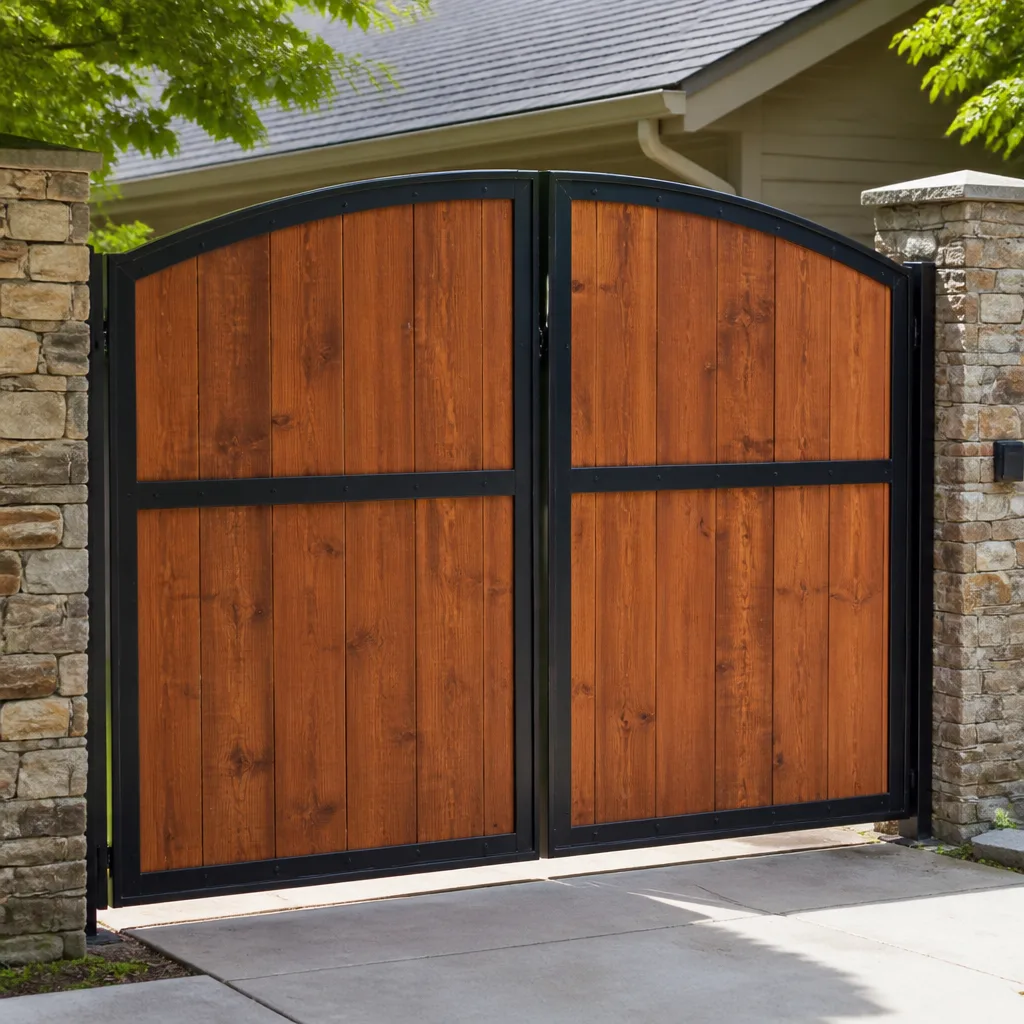 Wood & steel frame
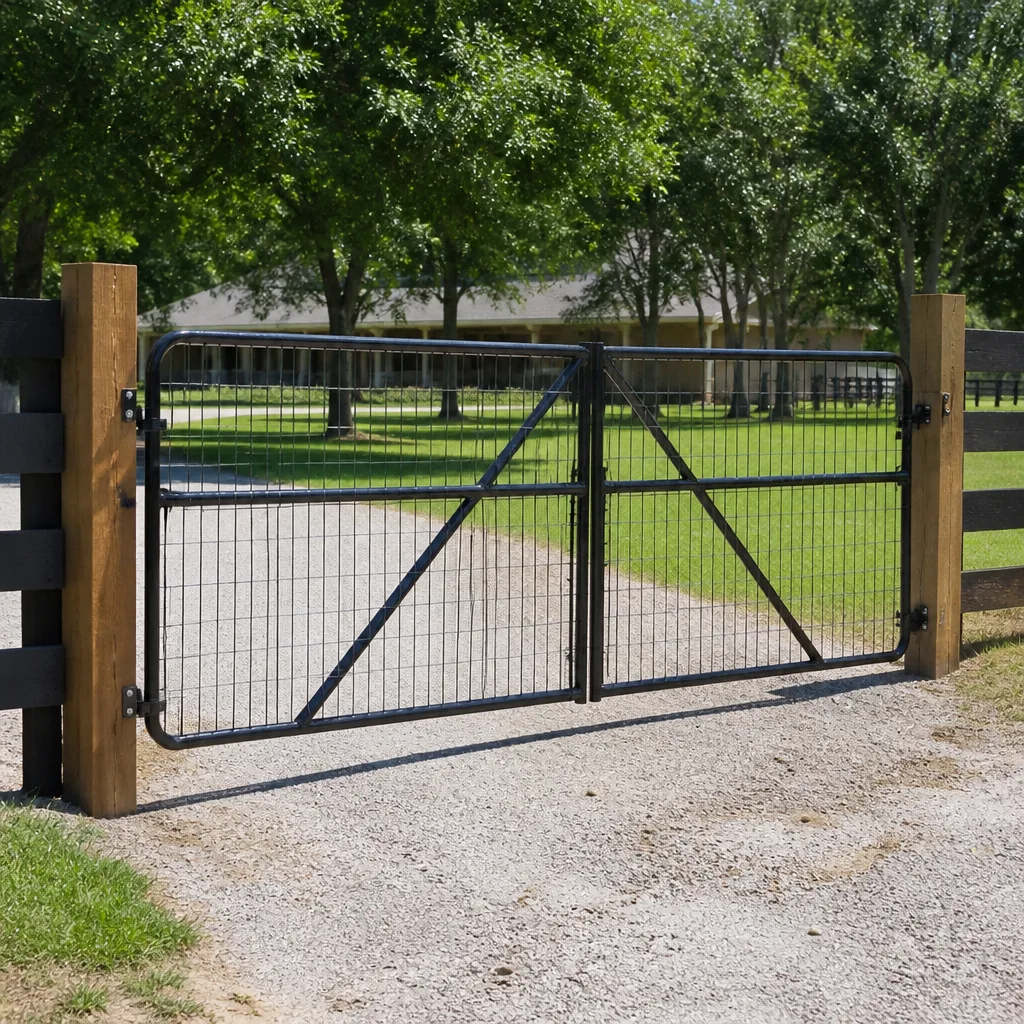 Farm & ranch
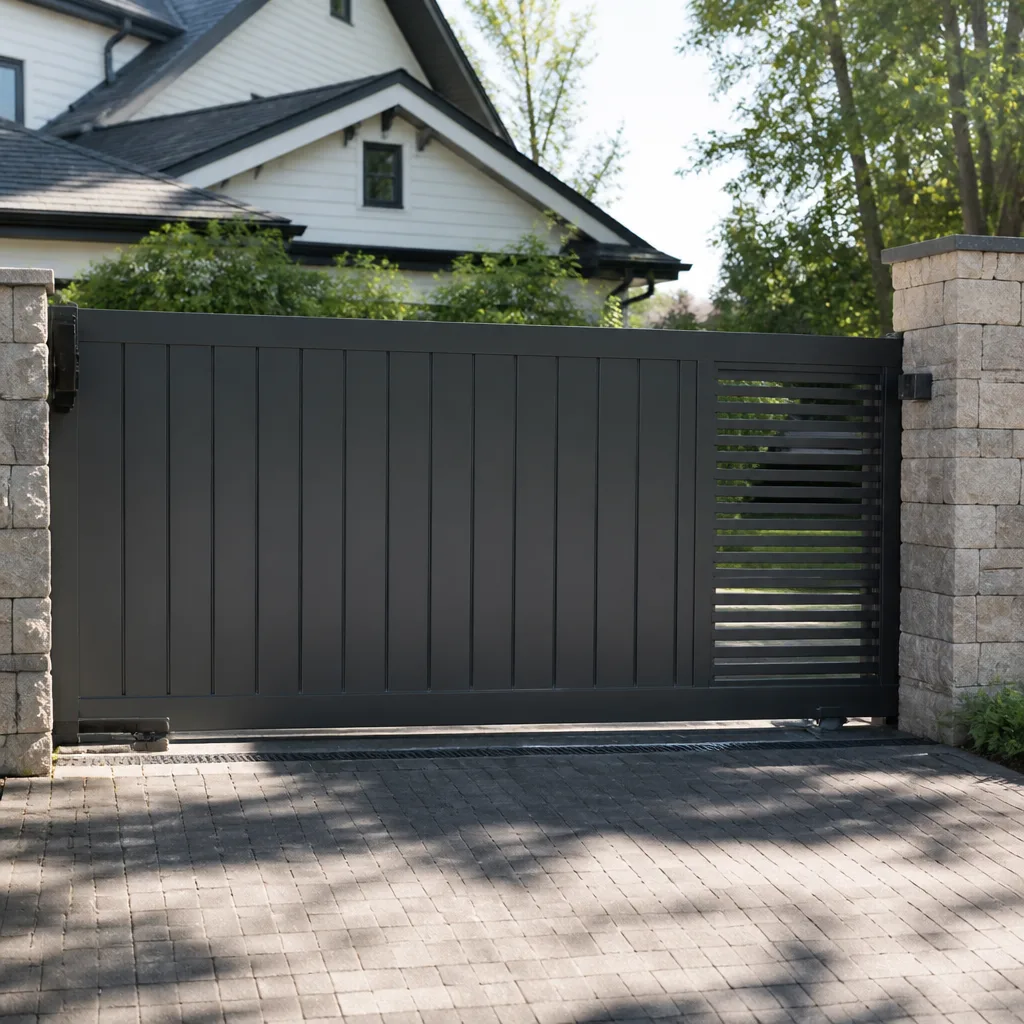 Sliding driveway gates
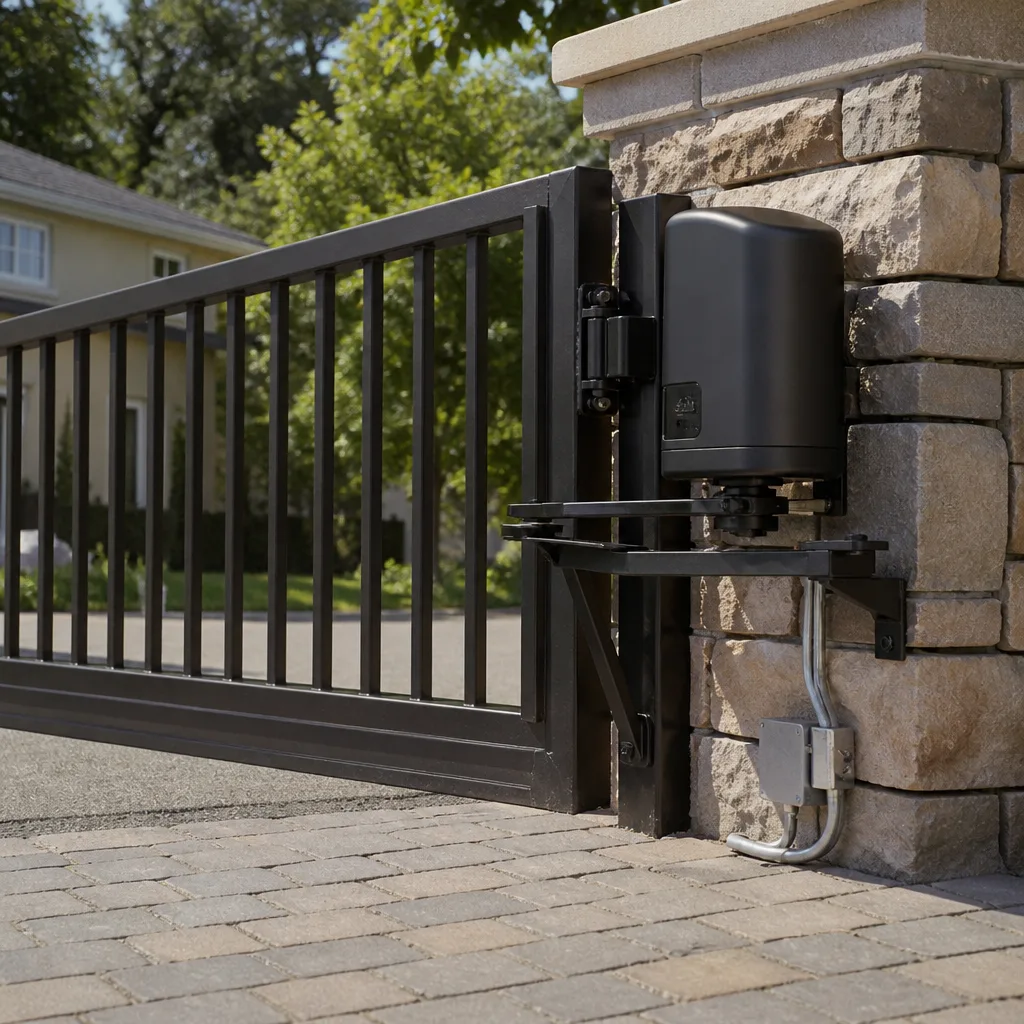 LiftMaster operators
Free on-site gate assessment - hinges, posts, and your LiftMaster or Nice gate operator checked before anything is quoted
The assessment is free and the quote is the invoice.
Get your free estimateGate Repair Permits, Codes & Inspections in Bellevue, WA: What You Need to Know
If your gate repair involves running new low-voltage wire to a keypad or replacing a post set in concrete, you may need a permit – and the contractor who doesn’t mention that is shifting the risk onto you. Most Bellevue homeowners assume gate work is permit-free. It usually isn’t. Automated gate operators tie into your home’s electrical system. New posts and footings count as structural work. Access control circuits fall under state electrical code. Each of those has a specific trigger, and knowing where the line sits is what keeps a repair from becoming a liability when you sell. This guide walks through which scenarios need a permit, how Washington’s electrical rules apply, what UL 325 requires of an automated operator, and how Bellevue’s HOA overlays stack on top of city code.
Quick Answer
In Bellevue, WA, a gate repair that swaps mechanical parts (hinges, rollers, latches, arm operators) on an existing gate usually needs no permit. A permit is typically required when you add a new electrical circuit or hardwire a new operator, pour new footings or replace structural posts, or change the gate’s footprint or height. Washington’s electrical code (WAC 296-46B) governs the wiring side, and automated operators must meet UL 325 safety standards. Many Bellevue HOAs add their own approval layer, so check with your association before any structural or visible change.
Styles & brands we work with
- Wrought iron
- Wood & steel frame
- Farm & ranch
- Sliding driveway gates
- LiftMaster operators
Table of Contents
- Which gate repairs need a permit in Bellevue?
- How Washington electrical code applies to gate operator wiring
- UL 325 safety standards for automated gates
- HOA overlay rules in Bellevue neighborhoods
- What to do if your gate was installed without permits
- What a gate inspection looks for
- The permit process step by step
- Common mistakes to avoid
Which gate repairs need a permit in Bellevue?
The short version: cosmetic and mechanical repairs are usually exempt; anything that touches structure or electrical supply typically is not. City of Bellevue Development Services treats a gate as a site structure, so the trigger is whether the work changes what was originally built and inspected – not whether the gate is a “repair” in everyday language. Here’s how the line usually falls:
Repairs that typically don’t need a permit:
- Replacing hinges, rollers, wheels, or latches on an existing gate
- Swapping a failed arm operator or control board for a like-for-like replacement
- Adjusting a gate that’s dragging, closing too fast, or misaligned
- Replacing a photo-eye safety sensor or a loop detector
- Repairing a decorative panel or rehanging a gate leaf that slipped its track
Work that typically does need a permit:
- Installing a new automated operator that requires a dedicated electrical circuit or hardwiring
- Replacing structural posts or pouring new footings set in concrete
- Changing the gate’s height, width, footprint, or location on the property
- Adding new low-voltage runs to a keypad, intercom, or access control device when the circuit is new
- A brand-new gate installation, whether manual or automated
We work on Ghost Controls and Mighty Mule systems regularly, and both are common residential choices around Bellevue. In our experience, the residential jobs that catch homeowners off guard are the ones where a failing operator is replaced with a new one that draws power differently – that swap can cross from repair into new electrical work.
How Washington electrical code applies to gate operator wiring
Washington State’s electrical rules live in WAC 296-46B, and they apply to gate operator wiring the same way they apply to any permanently wired equipment. Here’s the part that matters most: “low-voltage” does not mean “no rules.” Access control circuits, keypads, intercoms, and loop detectors still fall under the code when they’re wired into a permanent supply, and the person doing the work should be licensed for it.
What the code affects on a typical Bellevue gate:
- Power supply to the operator. If the operator draws from a dedicated circuit, that circuit has to be installed and inspected to code.
- Low-voltage control wiring. Keypads, exit buttons, loop detectors, and intercom integration are all control circuits and need proper installation.
- Grounding and bonding. A metal gate with a powered operator needs grounding protection so a fault doesn’t energize the frame.
- Disconnecting means. There needs to be a way to shut off power to the operator safely for service.
This is a real safety boundary, not a paperwork exercise. Gate operator power and its control circuits can seriously injure someone if wired incorrectly – a fault can energize a metal gate, and a control circuit that bypasses a safety sensor can leave a gate closing on a person. If wiring is involved and you’re not licensed for it, that portion of the job belongs with a licensed electrical contractor.
When we look at a gate whose operator is behaving strangely, one of the first things we check is whether the wiring itself is compliant and correctly landed. Much of what gets called electric gate repair on older Bellevue properties traces back to wiring that was never done to code in the first place.
UL 325 safety standards for automated gates
UL 325 is the safety standard that governs automated gate operators in the US, and it’s the reason a compliant install looks different from a non-compliant one. The standard requires that an automated gate detect an obstruction and stop or reverse before it can injure someone – which means a properly installed operator always includes one or more of these protective devices:
- Photoelectric sensors (photo-eyes) that detect an obstruction in the gate’s path
- Loop detectors embedded in the driveway that sense a vehicle
- Edge sensors on the gate leaf that reverse the gate on contact
- Inherent entrapment protection built into the operator itself
Why does this matter for liability? If a gate operates without the required protective devices, and someone – a child, a delivery driver, a visitor – gets hurt, the owner of the gate can be exposed to claims that the operator was non-compliant. A gate that was installed by a contractor who skipped UL 325 requirements isn’t a repair problem later; it’s a liability problem now. We work on LiftMaster, FAAC, DoorKing, and other operators, and the first thing we do on any automated system is verify the safety devices are present and functioning. Fixing the opener but leaving the safety sensors bypassed is not a repair – it’s a risk we won’t take.
HOA overlay rules in Bellevue neighborhoods
Many Bellevue properties sit inside HOAs that regulate gates on top of city code. That means even a repair that’s permit-exempt under Development Services can still need association approval – and for anything visible from the street, that approval usually comes before the work, not after.
Bellevue neighborhoods like Bellevue Club, Somerset, and Cougar Mountain commonly layer their own rules on top of the city’s:
- Design review. Changing the gate style, finish, or height usually needs architectural committee approval.
- Access control standards. Some associations specify which keypad, intercom, or entry system the community uses – often DoorKing access control – and a unilateral swap can mean a costly redo.
- Shared gate accountability. For a shared driveway or community gate, repair responsibility is usually spelled out in the CC&Rs. Knowing who pays before you call is half the fight.
- Maintenance standards. Associations can require paint, finish, or repair to keep gates consistent with the community look, and they can require the work be done.
The practical rule: if the change is visible or structural, get the HOA’s approval in writing before the work starts. A repair to a broken hinge doesn’t need anyone’s sign-off. A new operator, a new post, or a new finish probably does.
What to do if your gate was installed without permits
A gate put in without the proper permits doesn’t erase the problem when the original contractor leaves – it becomes the property owner’s problem, and it tends to surface at the worst moment: a repair, an inspection, or a sale. We’ve seen this pattern more than once on Bellevue properties where an automated gate was added by a previous owner or a generalist contractor who didn’t know the rules.
If you suspect your gate was installed without permits, here’s how to handle it:
- Pull the permit history first. Check with City of Bellevue Development Services for any permits on record for the gate, its posts, and the operator circuit. You need to know what was inspected and what wasn’t.
- Have the electrical side checked. If the operator was hardwired without an inspection, get a licensed electrician to verify the circuit is compliant before anything else moves forward.
- Check UL 325 compliance. Confirm the safety devices are present, correctly installed, and functioning. Non-compliant installs are the biggest liability piece.
- Ask about retroactive permitting. Bellevue’s permit process can handle after-the-fact applications in many cases, but the process and the required inspections are easier to navigate before you need to sell.
- Get anything that’s fixable corrected, and document it. A written record of the correction is what a buyer’s inspector will want to see.
This is the point where a specialist is worth the call. General handymen routinely turn down the electrical side of gate work – it’s exactly the kind of job a gate-only specialist handles, because diagnosing the control board and the structural side in one visit is what we do. If you’re in this spot, gate repair services start with a full diagnosis, not a sales pitch.
What a gate inspection looks for
An inspection is mostly about safety and compliance, not aesthetics. Whether it’s a city inspection following permitted work or a pre-repair walkthrough, the same core questions come up. Our technicians have up to experience, and these are the checks we run on every automated system:
- UL 325 safety devices. Photo-eyes, loop detectors, and edge sensors are tested for presence and function. Missing or bypassed devices fail every time.
- Electrical connections. Wiring, grounding, and the disconnect are checked for code compliance, especially on hardwired operators.
- Structural integrity. Posts, footings, hinges, and the gate frame are checked for movement, corrosion, and settling. Footings need to go to proper depth for the load.
- Track and travel. Slide gates that come off the track, gates that close too fast, or gates that won’t fully open are caught in this step.
- Operator function. The control board, remote, keypad, and intercom integration are tested end to end.
- HOA and city alignment. If the gate was supposed to be approved by an association or permitted by the city, we flag it.
For a Bellevue property owner, the inspection is the point where all the previous steps get reconciled. It’s also the moment to ask direct questions: Is this operator compliant? Is the wiring code-correct? Did the last contractor leave me with a liability?
The permit process step by step
Here’s how a permitted gate job typically moves through City of Bellevue, start to finish. Exact timelines vary with the scope and how busy Development Services is, so treat this as the sequence, not a guaranteed schedule.
- Confirm the scope. Decide whether the work is structural, electrical, or both. Structural changes go through permitting; electrical work falls to a licensed electrical contractor.
- Check the HOA. If the property sits in an association like Bellevue Club, Somerset, or Cougar Mountain, get architectural review done before any application or contract.
- Pull the permit. The permit applicant is usually the contractor, but on a homeowner-pulled permit, it’s on you to manage the process. Ask who’s pulling it before work starts.
- Do the work to plan. Structural work and electrical work each get done to the approved plans and code. No changing scope mid-job without an amendment.
- Schedule the inspection. Post-work inspection confirms the footings, posts, and electrical are correct. Automated gates also need the UL 325 devices verified.
- Close the permit. Keep the signed-off documentation with your home records. This is what protects you at resale.
When we quote a job in Bellevue, we tell you up front whether the work falls inside the permit boundary or outside it. If you’re not sure where your project lands, Bellevue Gate Repair offers a free estimate, and we’ll say plainly whether a permit belongs in the picture.
Common Mistakes to Avoid
- Assuming “repair” means “no permit.” A repair that adds a new circuit or new footing crosses the line into permitted work. The word “repair” doesn’t decide it – the scope does.
- Letting a contractor hardwire the operator without an inspection. The wiring falls under WAC 296-46B and can pass or fail on grounding and the disconnect alone.
- Replacing the operator without checking UL 325 devices. A new operator swapped in over failing safety sensors is a liability, not an upgrade. It’s one of the most common installer shortcuts around Bellevue.
- Skipping the HOA before visible changes. Associations in Bellevue Club, Somerset, and Cougar Mountain can require a redo if you paint, restyle, or change the gates without approval.
- Hiring a generalist who doesn’t touch control boards. General handymen routinely turn down gate operator wiring, and a half-done job leaves you to manage the electrical contractor and the gate specialist separately.
- Ignoring a gate that came with the house. If you don’t know the permit history of an existing automated gate, find out before a repair forces the question.
- Letting a slide gate grind on the track. A gate that’s dragging or coming off the track can crush or trap, and a lightweight “adjustment” done without inspection often just delays the failure.
See the difference
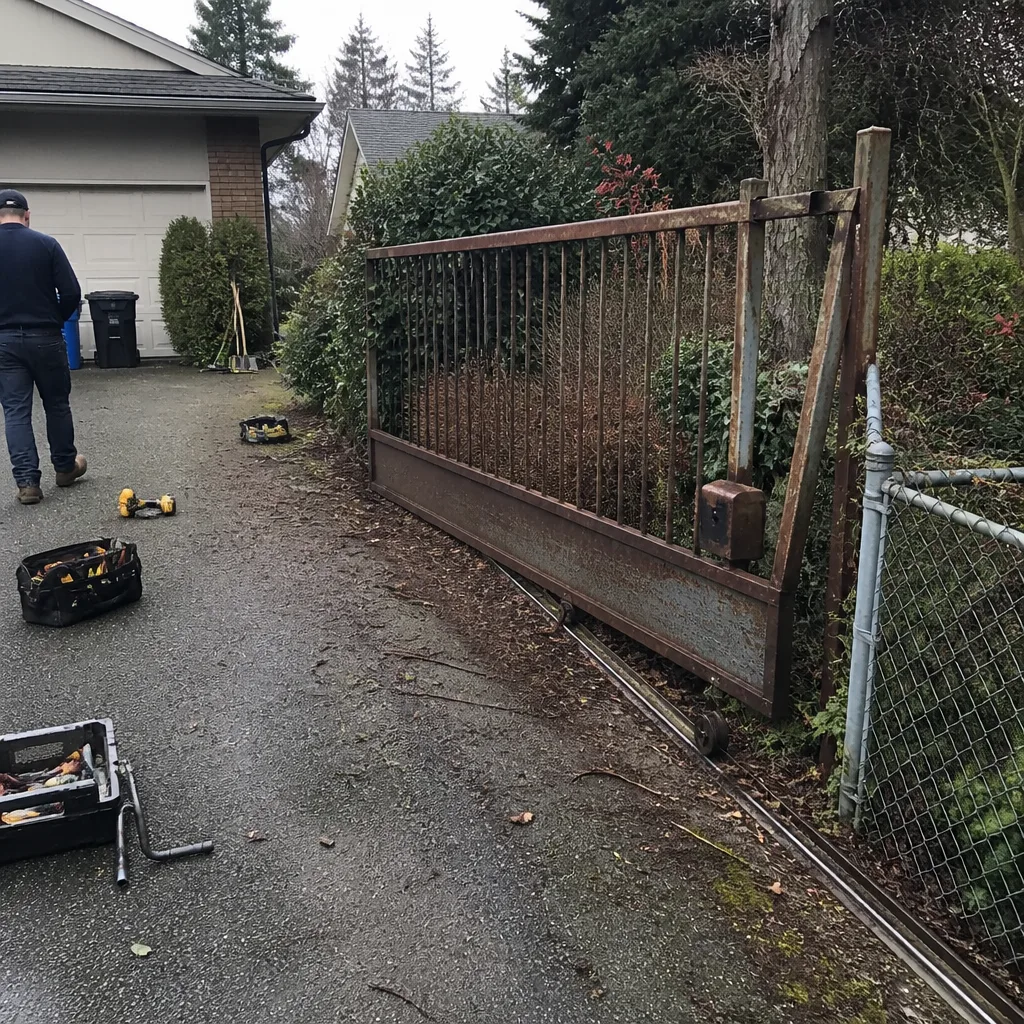
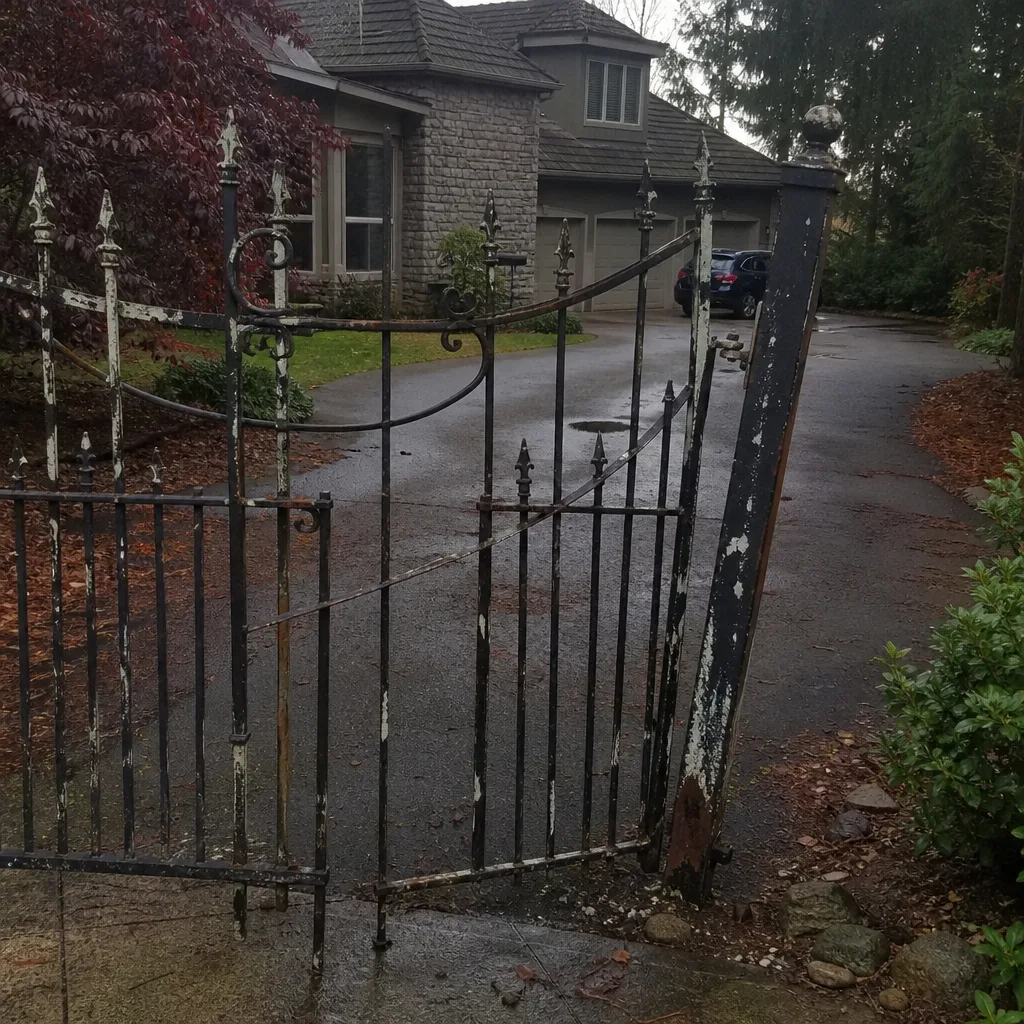 Before
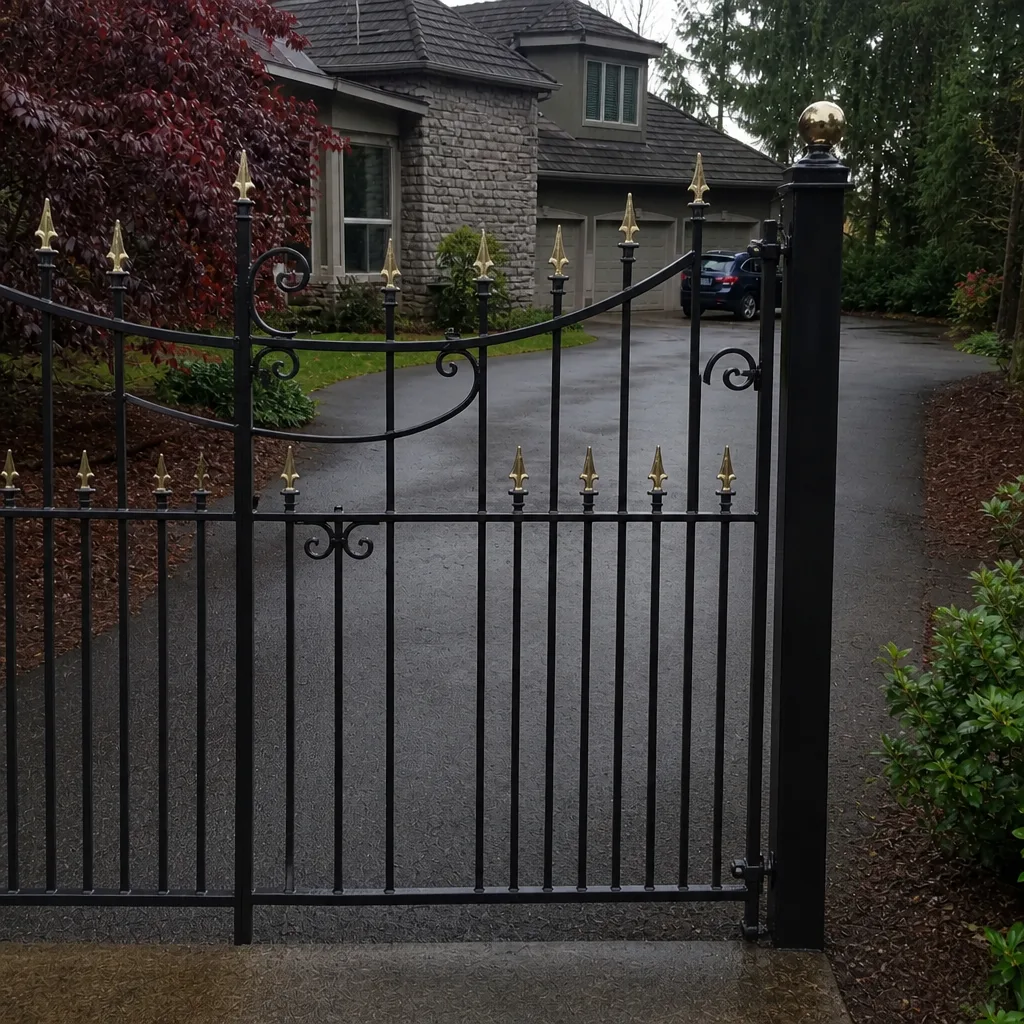 After
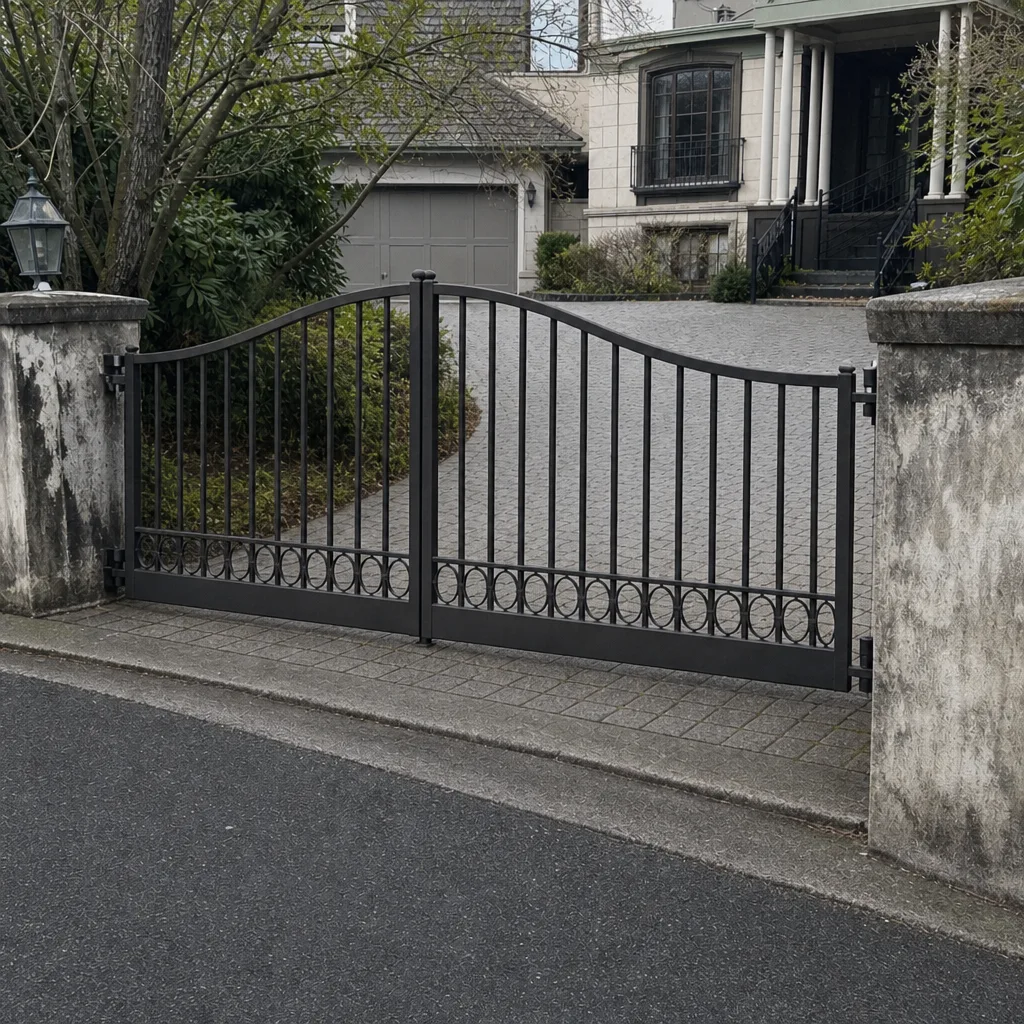
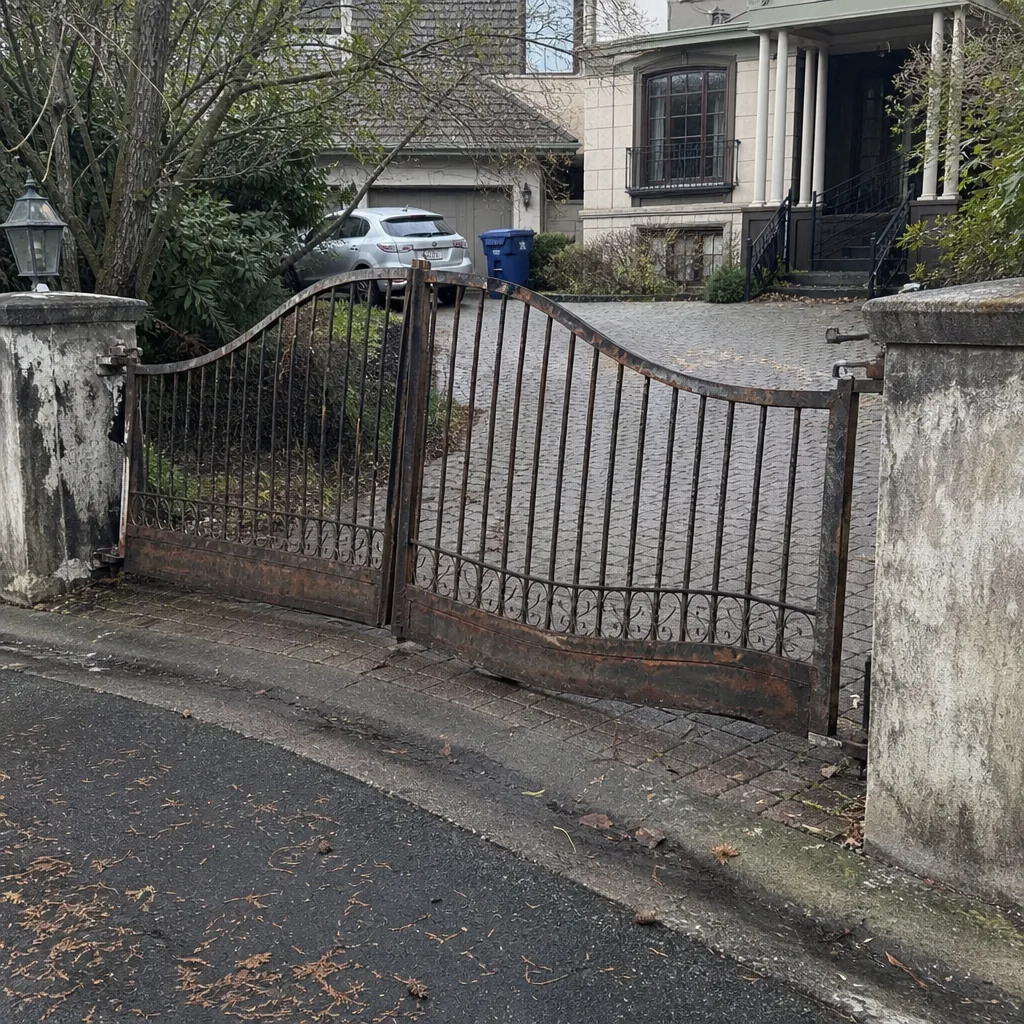 Before
 After
 Before
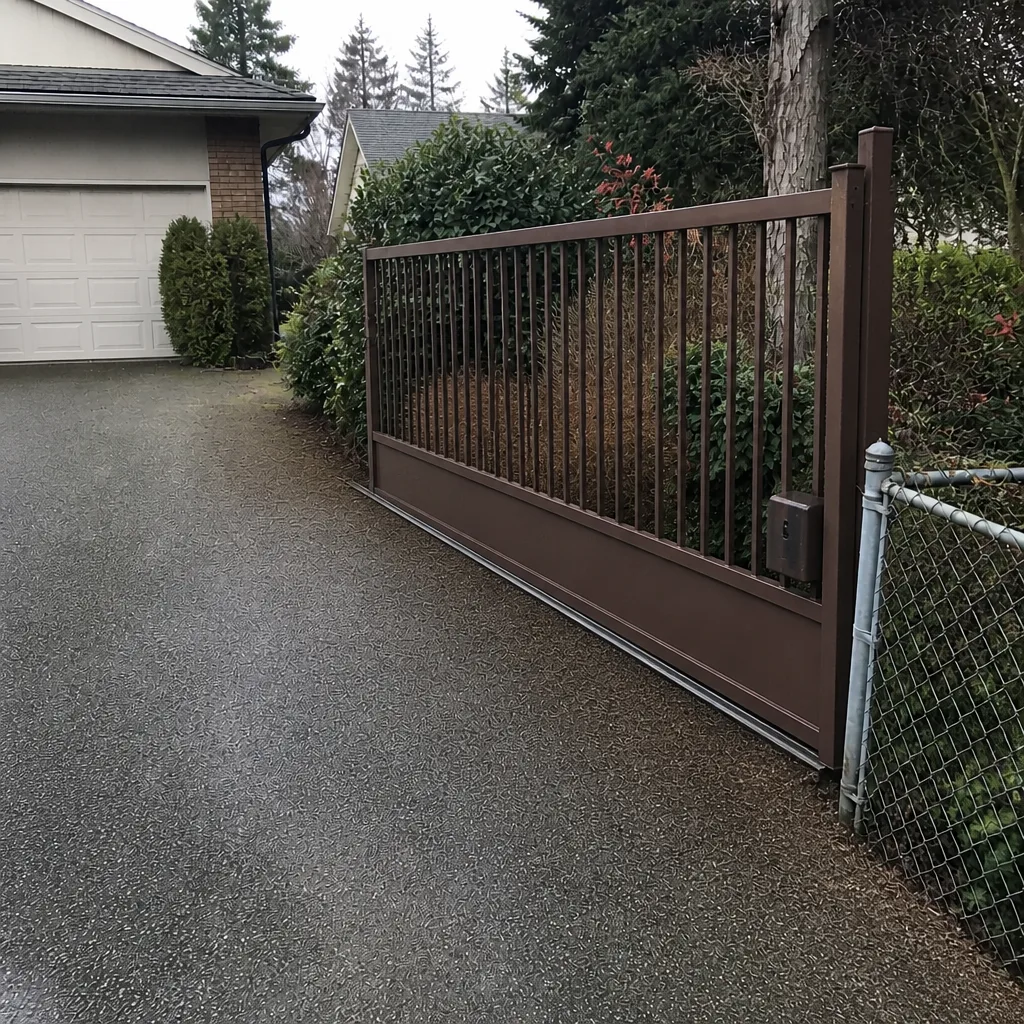 After
When to Call a Professional
Call a professional when the issue touches the operator’s wiring, the gate’s structural posts, the UL 325 safety devices, or the access control system. Any of those can be dangerous to work on and easy to make worse, and getting it wrong puts the risk on you. If your gate was installed without permits, or you’re trying to figure out who’s responsible for a shared gate in a Bellevue community, that’s the other moment to call. General handymen typically turn down this work because it requires an understanding of both the gate structure and its electrical side. Bellevue Gate Repair offers free estimates in Bellevue – call (855) 683-9015. We work on LiftMaster, FAAC, BFT, Linear, Viking, Ghost Controls, DoorKing, Elite, and Mighty Mule systems, so we’ll diagnose the actual problem whether your operator is familiar or a brand a single-brand shop wouldn’t touch.
Frequently Asked Questions
It depends on scope, not on the word “repair.” Mechanical repairs – hinges, rollers, latches, arm operators – usually don’t need a permit. New electrical circuits, new footings, structural post replacement, and changes to the gate’s footprint or height usually do. Call (855) 683-9015 for a free estimate and we’ll tell you which side of the line your job lands on.
Often yes, if the circuit is new. WAC 296-46B applies to gate operator wiring and control circuits – low-voltage doesn’t mean unregulated. The wiring portion belongs with a licensed electrical contractor, and that portion is inspected. Call us and we’ll walk through the specific wiring on your install.
UL 325 is the safety standard that requires an automated gate to detect an obstruction and stop or reverse. Any automated gate operator on your property should meet it – a gate without functioning safety sensors, loop detectors, or edge sensors leaves you exposed if someone gets hurt. We’ll verify the safety devices as part of any automated repair.
If the change is visible from the street or structural, get the association’s written approval before the work, not after. Associations in Bellevue Club, Somerset, and Cougar Mountain commonly require design review for a new operator, paint, finish, or post change. Small mechanical repairs usually don’t need approval, but a quick call to the association prevents a costly redo.
Pull the permit history with City of Bellevue Development Services, verify the electrical side is compliant, and confirm the UL 325 safety devices are present. If work was done without inspection, ask about retroactive permitting before a repair or sale forces the issue. Call (855) 683-9015 and we’ll help you sort out what needs correcting.
Not safely on the wiring or the safety devices. Gate operator power and its control circuits can seriously injure someone if wired incorrectly, heavy gate panels can crush, and a slide gate that has come off its track can trap. Mechanical adjustments and panel repairs are reasonable; the electrical side and the safety devices belong with a licensed professional.
The Bottom Line
Gate repair permits in Bellevue aren’t about paperwork for its own sake – they’re about who’s carrying the risk if something goes wrong. Mechanical repairs usually stay permit-free. New electrical circuits, structural posts, footings, and changes to the gate’s footprint typically need a permit and an inspection, and Washington’s electrical code applies to the wiring side whether the voltage is low or not. Add UL 325 safety requirements, and the reasons to use a specialist become clear. If your property is in an HOA – Bellevue Club, Somerset, Cougar Mountain – get association approval before visible changes. If you’re unsure about your gate’s history, Bellevue Gate Repair can help you figure out what needs correcting and what’s already fine. Call (855) 683-9015. We answer 24/7. Fast dispatch from 7am to 7pm, Sunday through Friday.
For gate repair, electric gate repair, or a new installation, call (855) 683-9015 for a free estimate. Every price is set per job by a written estimate, quoted and agreed before any work starts.
Written by the team at Bellevue Gate Repair.