
Last updated November 15, 2026
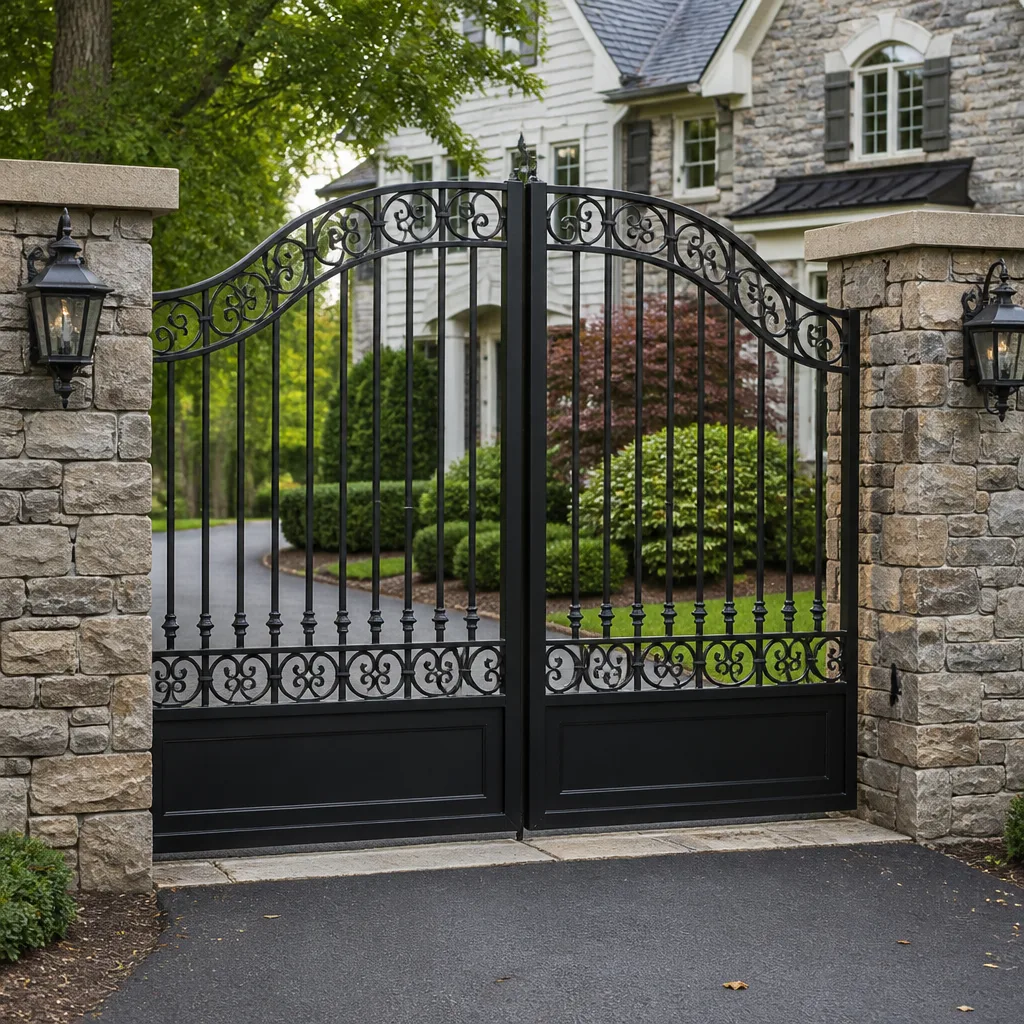 Wrought iron
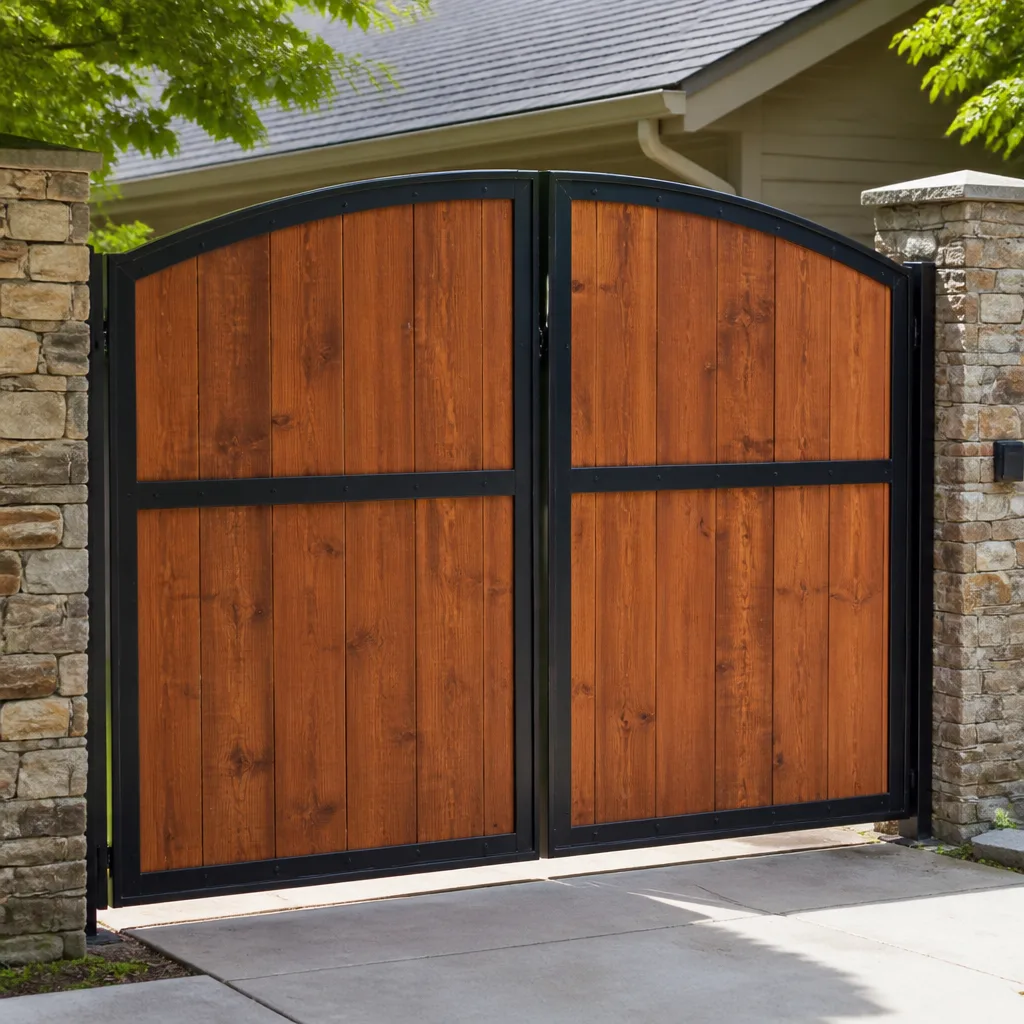 Wood & steel frame
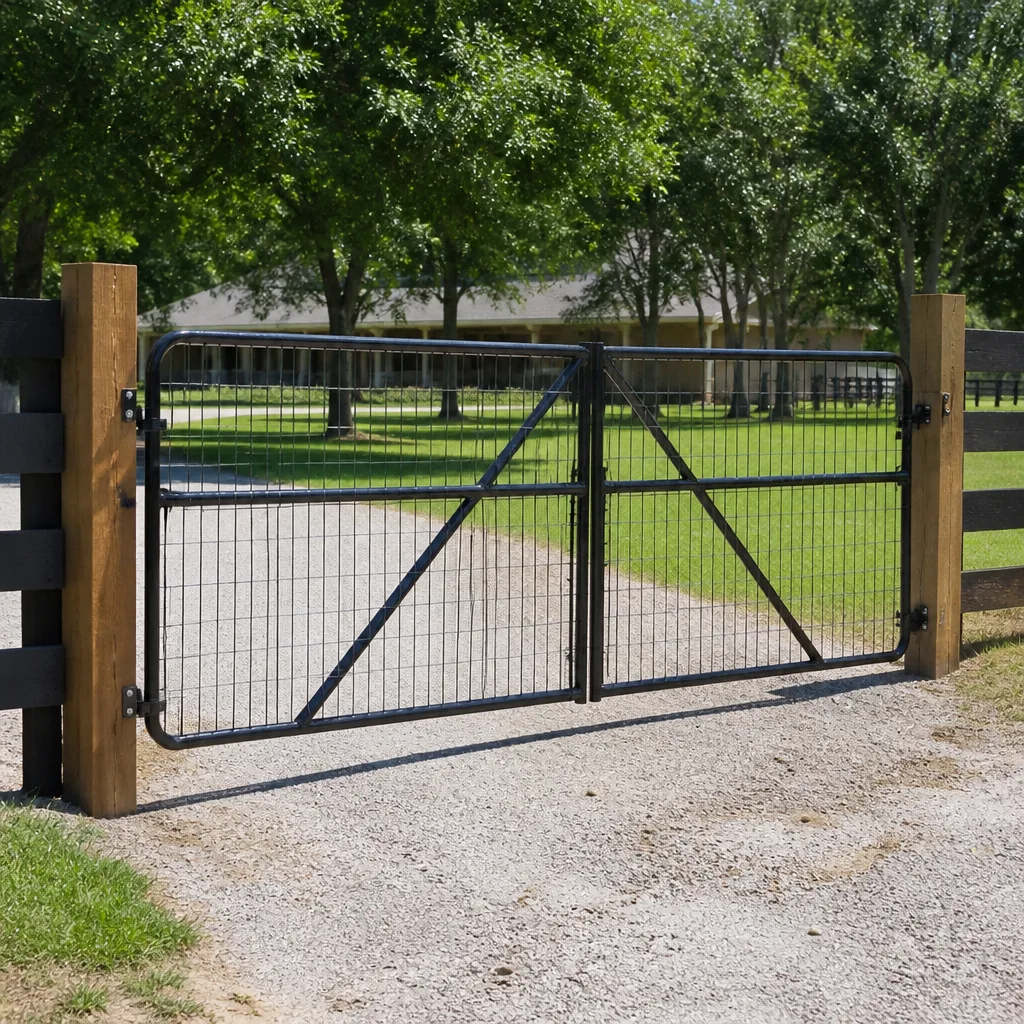 Farm & ranch
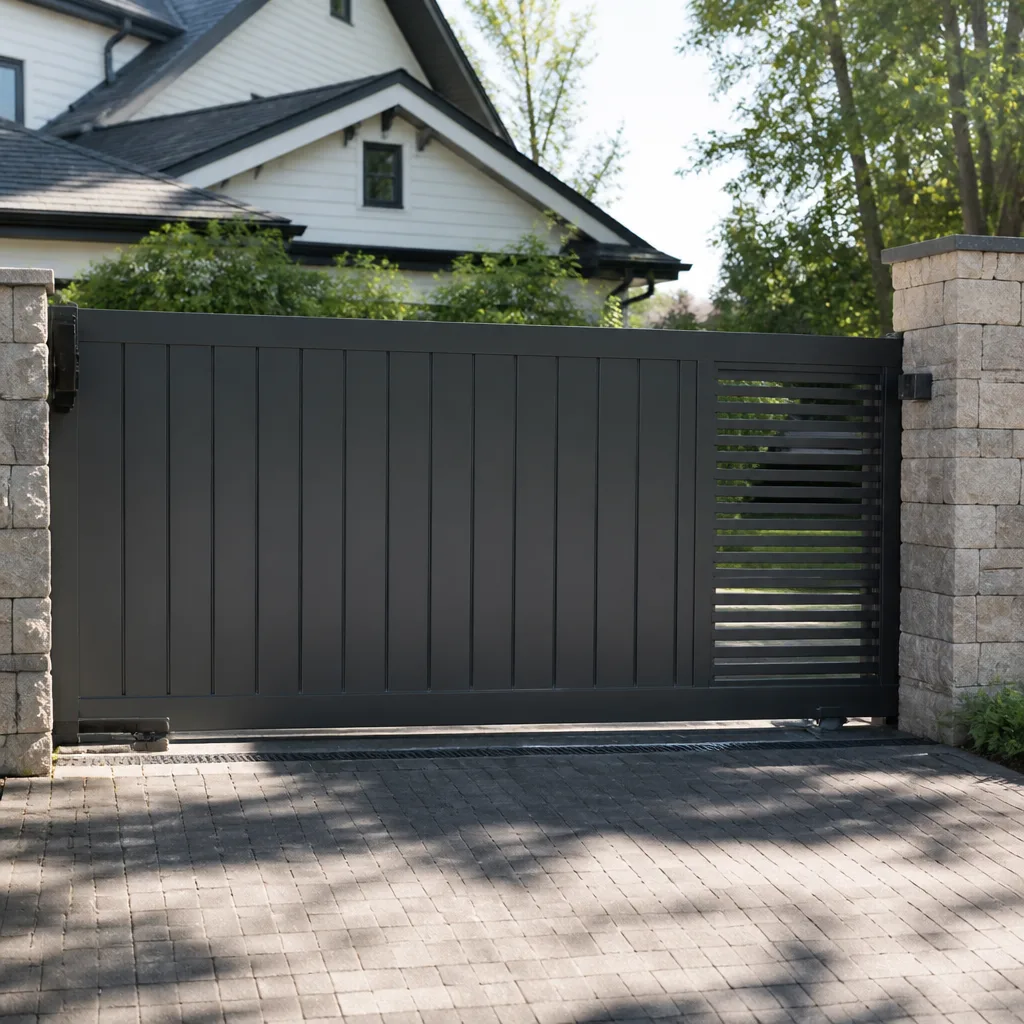 Sliding driveway gates
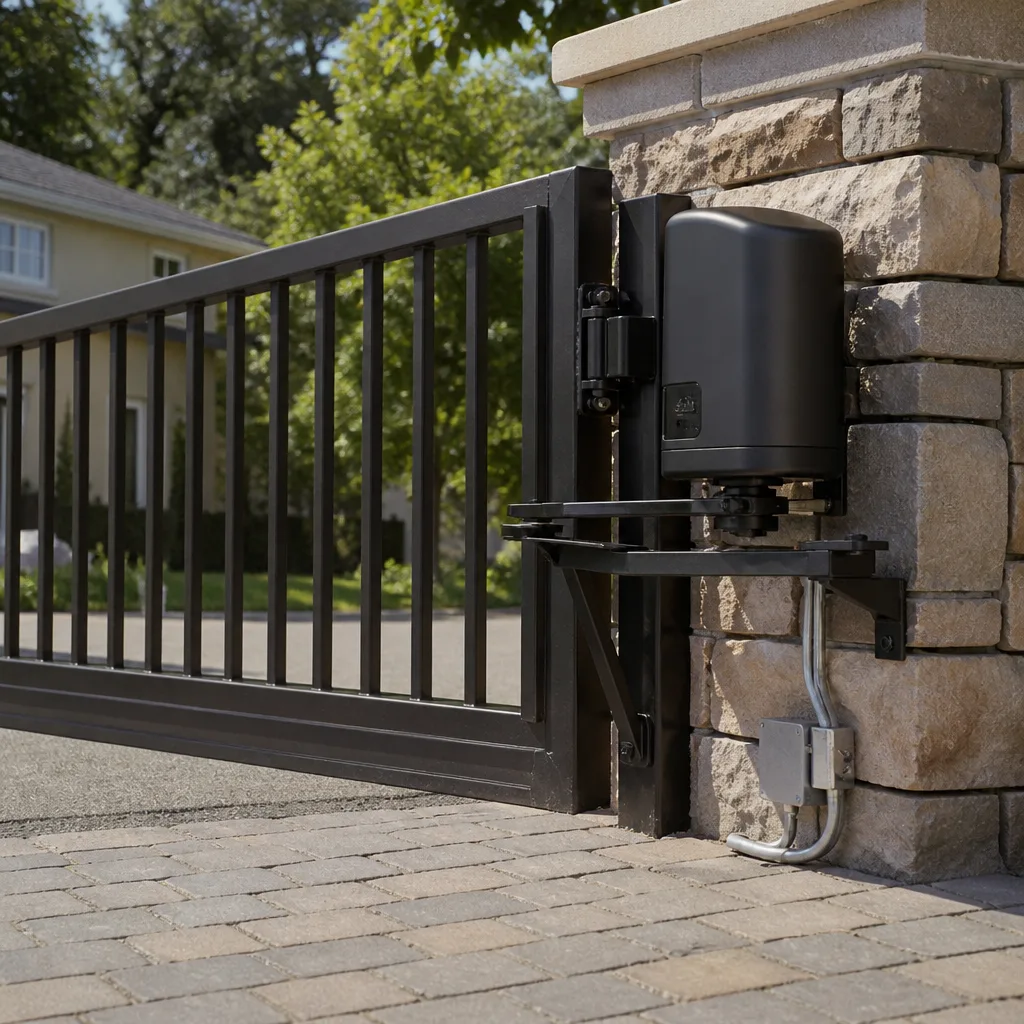 LiftMaster operators
Free on-site gate assessment - hinges, posts, and your LiftMaster or Nice gate operator checked before anything is quoted
The assessment is free and the quote is the invoice.
Get your free estimateGate Repair Warning Signs: A Bellevue Homeowner’s Reference Guide
A gate that hesitates for two seconds before it moves isn’t warming up. It’s an operator pulling excess amperage to overcome a mechanical bind, and that extra current cooks the motor a little more with every cycle. Most gate failures we diagnose in Bellevue didn’t start the day the gate stopped. They started weeks or months earlier with a sound, a stain, or a behavior the homeowner walked past. This guide decodes those signals: what each noise, visual cue, and erratic habit actually means, which ones are urgent, and which can safely wait for a scheduled visit. You’ll learn to read your gate the way a technician does.
Quick Answer
The most reliable gate repair warning signs are a grinding or humming operator, a gate that hesitates or reverses mid-travel, visible rust weeping at the post base or frame joints, a keypad that needs several tries, and intermittent operation that comes and goes. Any grinding, humming, or a gate that reverses on its own means stop using it and call a specialist. Sluggish movement, cosmetic rust, and occasional keypad misses can wait for a scheduled on-site estimate.
Styles & brands we work with
- Wrought iron
- Wood & steel frame
- Farm & ranch
- Sliding driveway gates
- LiftMaster operators
Table of Contents
- Audio Warning Signs, Decoded
- Visual Warning Signs Most Homeowners Walk Past
- Behavioral Warning Signs in Automated Gates
- Access Control Warning Signs
- Call Today vs. Can Wait: Swing and Slide Gates
- How Bellevue Weather Accelerates Gate Wear
- Common Mistakes to Avoid
- When to Call a Professional
Audio Warning Signs, Decoded
Sound is the earliest and most honest diagnostic your gate gives you. An operator doesn’t grind, click, or hum by accident. Each sound maps to a specific component, and once you know which is which you can describe the problem accurately before anyone arrives on-site. Here’s what the three most common sounds typically mean.
Grinding: worn gear or drive components
A grinding noise, especially under load at the start of travel, usually points to worn gears inside the operator or a mechanical bind in the gate itself. Swing gate operators and slide gate operators both use gear trains that wear over time. When the teeth thin out, metal grinds against metal instead of meshing cleanly. On a gate repair call, we check the operator gearbox and the gate’s moving hardware together, because a gate that’s out of alignment will chew through a healthy gear set too. Grinding doesn’t fix itself. It accelerates.
Clicking: limit switch drift
A rhythmic click at the end of travel, or a click with no movement, often signals a limit switch has drifted out of position. Limit switches tell the operator where to stop. When they slip, the operator either over-travels, stops short, or fights itself trying to find the right endpoint. That clicking can also be the sound of a relay engaging without a completed circuit. Both are diagnostic, and both are fixable without replacing the whole operator in most cases.
Humming: a stalled motor
A hum with no movement is the most urgent sound on this list. It means power is reaching the motor but the motor can’t turn, either because something is jammed, voltage is dropping, or a capacitor has failed. Left running, a humming motor overheats and can burn out. If your gate hums but doesn’t move, cut power at the breaker and call. This is the one sound where waiting costs you an operator instead of a repair.
Visual Warning Signs Most Homeowners Walk Past
Gates fail visually long before they fail mechanically. The trick is knowing which marks matter. Most surface rust on a painted steel gate is cosmetic and comes back every few seasons. But rust in specific locations tells a different story about water getting somewhere it shouldn’t.
Rust patterns: water intrusion vs. surface oxidation
- Even, thin orange film across flat surfaces: surface oxidation. Cosmetic, treat and repaint.
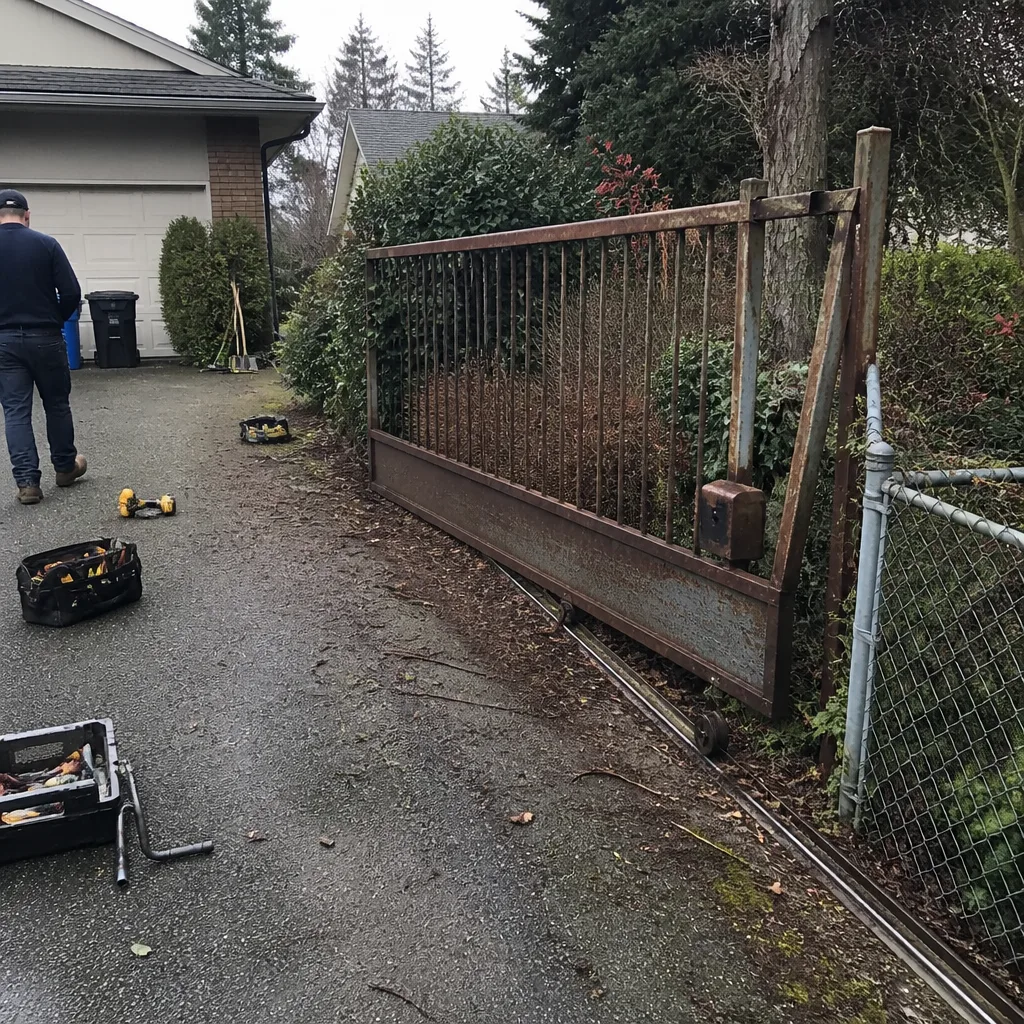
- Rust weeping from welds, joints, and the bottom rail: water is pooling or entering hollow sections. This is active intrusion and it will eventually compromise the structure from the inside.
- Rust rings around bolts and hinges: fasteners are loosening and trapping moisture. Tighten, treat, and re-check.
- Rust spreading up from the post base: the footing is holding water. This one deserves an on-site look.
Concrete cracks at the post base: settling vs. cosmetic
Every concrete pad develops hairline cracks. They’re cosmetic and normal. What matters is geometry. If the post has tilted even slightly, or the concrete has cracked in a ring around the post with a visible gap, the footing has shifted. A gate hanging on a shifted post drags, binds, and wears out hinges and operators early. On a slide gate, a settled track section makes the gate ride uphill, and that’s where operator strain comes from. Cracks that run away from the post in random directions are usually cosmetic. Cracks that circle it are not.
Behavioral Warning Signs in Automated Gates
Intermittent operation is the warning sign homeowners most often misdiagnose. The gate opens fine most mornings, then fails once or twice a week, then starts failing daily. The instinct is to blame the remote battery, and that instinct is almost always wrong. A dead remote battery fails consistently. Intermittent failure points somewhere else: a failing control board, a loose connection heating up under load, a photo-eye drifting out of alignment with seasonal light, or a limit switch catching only sometimes. Each of those has a known fix, but only after proper diagnosis. When we work on electric gate repair around Bellevue, the intermittent calls almost never turn out to be a remote problem. They turn out to be a control board or a sensor.
Other behavioral signals worth noting
- Slow start and stop: a hesitation before movement points to friction or low power.
- Mid-travel reversal: the gate moves partway, stops, and reverses. Usually a safety sensor or an obstruction detection issue.
- Stalling under wind or angle: if the gate only struggles in certain conditions, the operator is undersized or losing power.
- Drifting after it stops: the gate doesn’t stay closed. A mechanical or limit position problem.
- Uneven speed: accelerating or decelerating oddly through travel usually points to a control board or encoder issue.
If you’re seeing any two of these together, that’s a pattern, not a fluke. Patterns warrant a technician visit.
Access Control Warning Signs
Keypads, intercoms, and entry stations talk to your gate through a control board, and when the board is going bad, the access hardware is usually the first place that shows it. A keypad that needs two or three tries before it opens the gate isn’t a worn button or a forgotten code. It’s usually a signal that the relay response is lagging or the board itself is losing reliability under voltage.
What each access symptom signals
- Keypad requires multiple attempts: delayed relay response or a marginal power supply at the board.
- Intercom works but the gate doesn’t open: the access trigger isn’t reaching the operator. Wiring, relay, or board logic issue.
- Entry delays after a correct code: the relay is slow to close. Board issue or voltage drop on the run to the operator.
- Residents’ remotes work but the keypad doesn’t: a signal path issue specific to the keypad wiring, not the operator itself.
- Every entry method fails simultaneously: almost always the control board or its power supply.
Access control is where general handymen routinely stop. The wiring, the relay logic, and the intercom integration live outside most service trades. When we look at a DoorKing entry station or a Linear keypad on a commercial property in Bellevue, the diagnosis is often on the board, not the button. Get a specialist on-site rather than a generalist guessing at your control board.
Call Today vs. Can Wait: Swing and Slide Gates
Not every warning sign is an emergency. The difference matters because urgent repairs protect people and equipment, and non-urgent repairs protect your schedule. Here’s the honest triage we use when we look at gates.
Swing gates: call today
- A gate that hums but doesn’t move (motor is stalling).
- Reversing on its own during travel.
- Visible post movement or a widening concrete crack at the base.
- A hinge that has pulled free or a gate that’s dragging on the ground.
- Any situation where the gate is holding weight it shouldn’t.
Swing gates: can wait
- Slower start than usual with no other symptoms.
- Cosmetic rust on flat surfaces.
- A weak remote or keypad needing the occasional retry.
- One hinge that squeaks but moves freely.
Slide gates: call today
- The gate has jumped or come off the track.
- A wheel or roller has failed and the gate is grinding along the rail.
- The gate won’t stop at either end.
- An operator that’s visibly straining, humming, or hot to the touch.
Slide gates: can wait
- Occasional hesitation on the first cycle of the day.
- A slow keypad response.
- Minor surface rust on the rail.
When in doubt, shut the gate off at the breaker and call. A small diagnostic visit is easier to book than a full operator replacement.
How Bellevue Weather Accelerates Gate Wear
Bellevue’s wet winters and cool, damp shoulder seasons are harder on gates than most homeowners expect. Water doesn’t need a storm to get into a gate; it just needs time. Standing moisture on a metal joint, a hinge pin, or a bottom rail does more damage across a decade than a single hard freeze. That’s why rust patterns matter here more than in drier climates, and why the post footing is where we look first on a lot of Bellevue gates.
What the local climate does to specific gate parts
- Hinges and pivot points: absorb moisture through wet weeks. Grease that isn’t refreshed traps water instead of shedding it.
- Bottom rails and track: collect water and debris. Wet leaves and soil hold moisture against metal.
- Post footings: drain slowly in heavy soil. Water can sit at the base of a post between rains.
- Control boards and access hardware: damp enclosures stress electronics. Boards that would last a decade elsewhere can start glitching after several wet seasons.
- Vegetation: ivy, blackberry, and overgrown shrubs against a gate hold moisture and hide damage. Keep growth pulled back.
We’ve worked Bellevue gates from the flat neighborhoods near downtown to the wooded lots up toward Cougar Mountain, and the pattern is consistent. Gates set close to mature trees and landscaping see more rust and more footing issues than gates on exposed lots. That’s a maintenance rhythm you can plan for, not a sign your gate is on its way out.
Common Mistakes to Avoid
- Greasing every noisy joint. Grease makes a stuck hinge feel better for a week; it doesn’t fix the alignment problem underneath and it traps grit. Diagnose first, treat the actual cause second.
- Ignoring a hum. A humming operator is a stalled motor. Running it “just to see if it moves” this time can burn out a board or a motor that would have been a smaller repair.
- Replacing the remote before checking the board. Intermittent failure almost never comes from a remote battery. Ordering a new remote wastes a week and doesn’t touch the cause.
- Forcing a bound gate open or closed by hand. On a gate that’s tilted or off-track, manual force bends arms, breaks hinges, and can bring a heavy panel down. If it won’t move, stop and call.
- Painting over rust without finding the water source. Paint is not waterproofing. Covering rust at a weld or a post base without fixing the intrusion just hides the failure until it’s larger.
- Letting landscaping grow against the gate. Bellevue’s wet, growth-friendly climate means shrubs against a gate turn into a moisture problem and a hidden-damage problem in a year or two.
- Ignoring a single concrete crack that circles the post. A cosmetic crack and a mechanical failure look different, but they don’t look different for long.
When to Call a Professional
Call a specialist when the gate hums but doesn’t move, reverses on its own, jumps the track, or shows a post that has begun to move. Call when the access system stops responding reliably to a correct code, or when intermittent failures become a daily pattern. Call after any storm where a limb or a vehicle has hit the gate. And call when you’ve tried the obvious things and the problem keeps coming back, because a repeat failure is a symptom of a cause nobody has found yet. Bellevue Gate Repair offers free estimates in Bellevue. Call (855) 683-9015. We answer 24/7. Fast dispatch from 7am to 7pm, Sunday through Friday.
See the difference
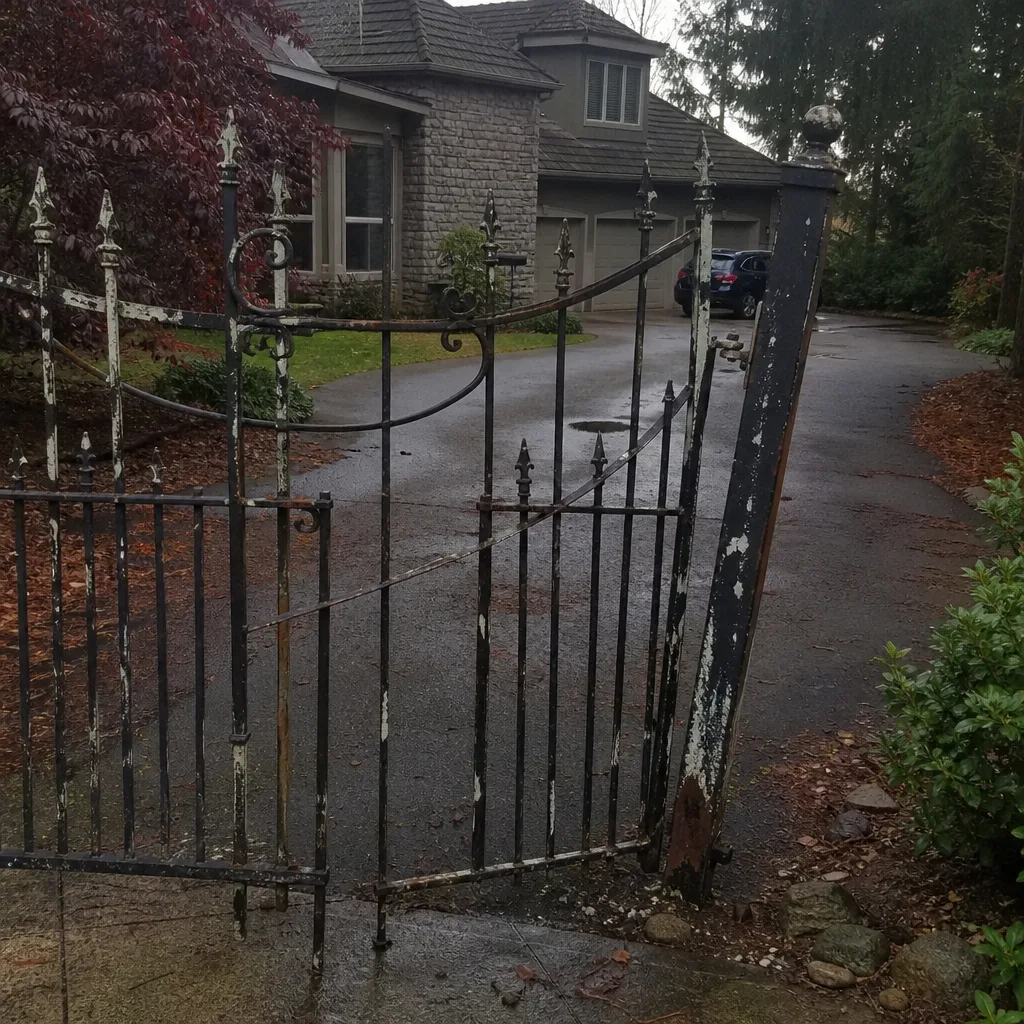 Before
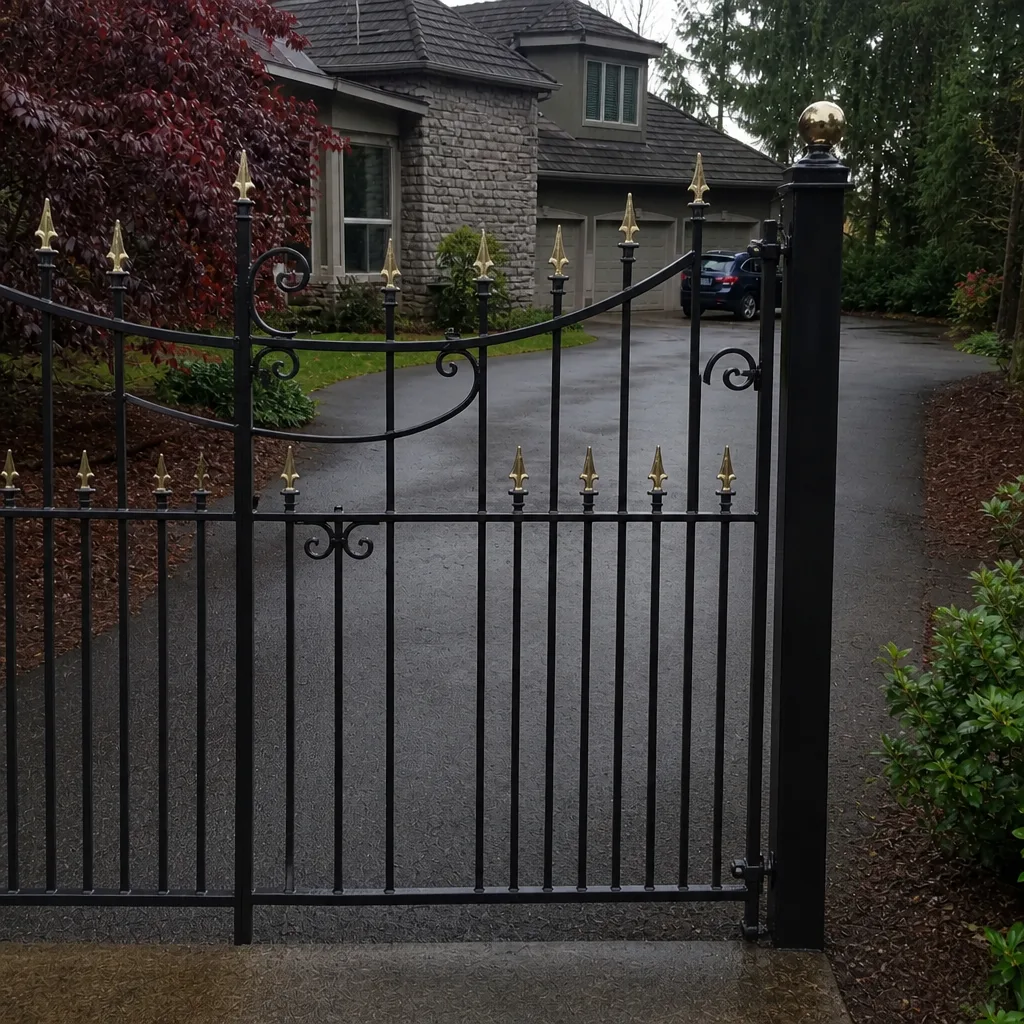 After
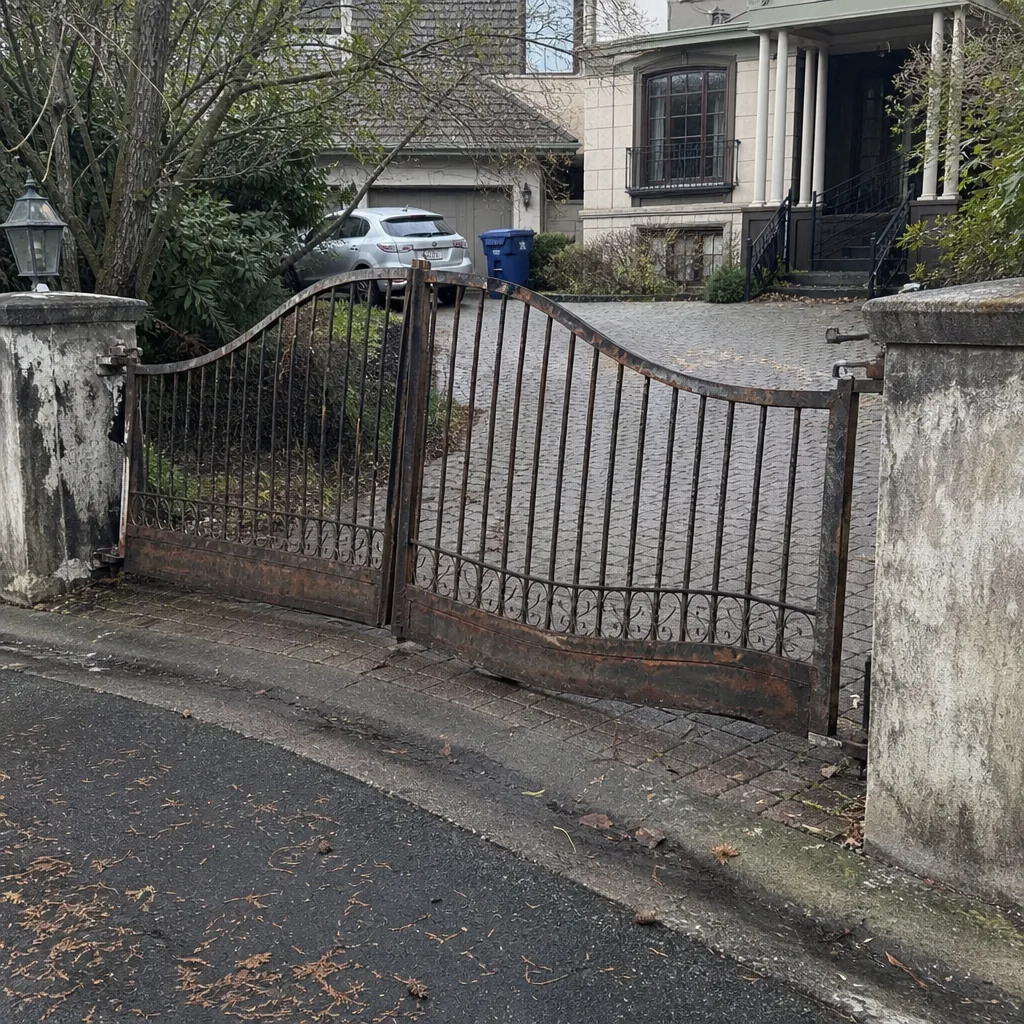 Before
 After
 Before
 After
Frequently Asked Questions
A humming operator that doesn’t move the gate is the most serious warning sign. The motor is stalling, drawing excess current, and overheating, and leaving it powered can destroy the motor and control board. Cut power at the breaker and call a specialist.
Intermittent gate operation in Bellevue almost always points to a control board, a marginal sensor alignment, or a loose connection heating up under load, not a remote battery. Local damp weather stresses the electronics and sensor alignment more than a dry climate does, so these symptoms show up here more often on older automated gates. We answer 24/7. Call (855) 683-9015 and we’ll book a diagnostic visit.
You can inspect and clean safely, but repairs to the operator, control board, or a stalling motor should be handled by a trained technician. Automated gates carry live wiring, heavy moving panels, and stored mechanical force in their arms and counterweights. What you can do yourself: pull landscaping back, treat minor surface rust, keep hinges clean, and note the exact sound or behavior so the technician knows where to start.
A dangerous crack runs in a ring around the post base or is accompanied by any post movement, while cosmetic cracks are hairline and random. If the post has tilted, or the gate drags because of the footing, the gate is no longer level and the operator is working against a mechanical bind. Have it inspected on-site before the bind damages the operator.
We work regularly with LiftMaster, FAAC, BFT, Linear, Viking, Ghost Controls, DoorKing, Elite, and Mighty Mule systems across residential, multi-family, and commercial properties. If your operator is a Viking or a DoorKing, we know the system and its common failure points. If it’s another brand, we can still diagnose the mechanical and electrical side. Call (855) 683-9015 for a free estimate.
A diagnostic visit covers the operator, the mechanical gate itself, the safety sensors, and the access control wiring in a single appointment. We plan to catch both the mechanical cause and the electrical symptom in one trip, so we’re not sending you to a second specialist for the control board. If you’re in Bellevue, you can book an on-site estimate by calling (855) 683-9015.
The Bottom Line
Gates announce failure early. A hum, a grind, a drifting limit switch, a keypad that needs two tries, or a crack that rings the post base: each is a signal, not a coincidence. The most expensive repairs we see are the ones where a $0 inspection this month would have caught a $0 operator failure next month. Read your gate the way a technician does: listen for sounds that don’t belong, look for rust in the places that catch water, and treat intermittent behavior as a real diagnostic clue. If something’s different about your gate right now, get a specialist on-site before it becomes an operator replacement. Bellevue Gate Repair works on residential, multi-family, and commercial gate systems in Bellevue and can diagnose both the mechanical structure and the electrical components in a single visit. Call (855) 683-9015 for a free estimate. We answer 24/7. Fast dispatch from 7am to 7pm, Sunday through Friday.
Written by the team at Bellevue Gate Repair.