
Last updated November 15, 2026
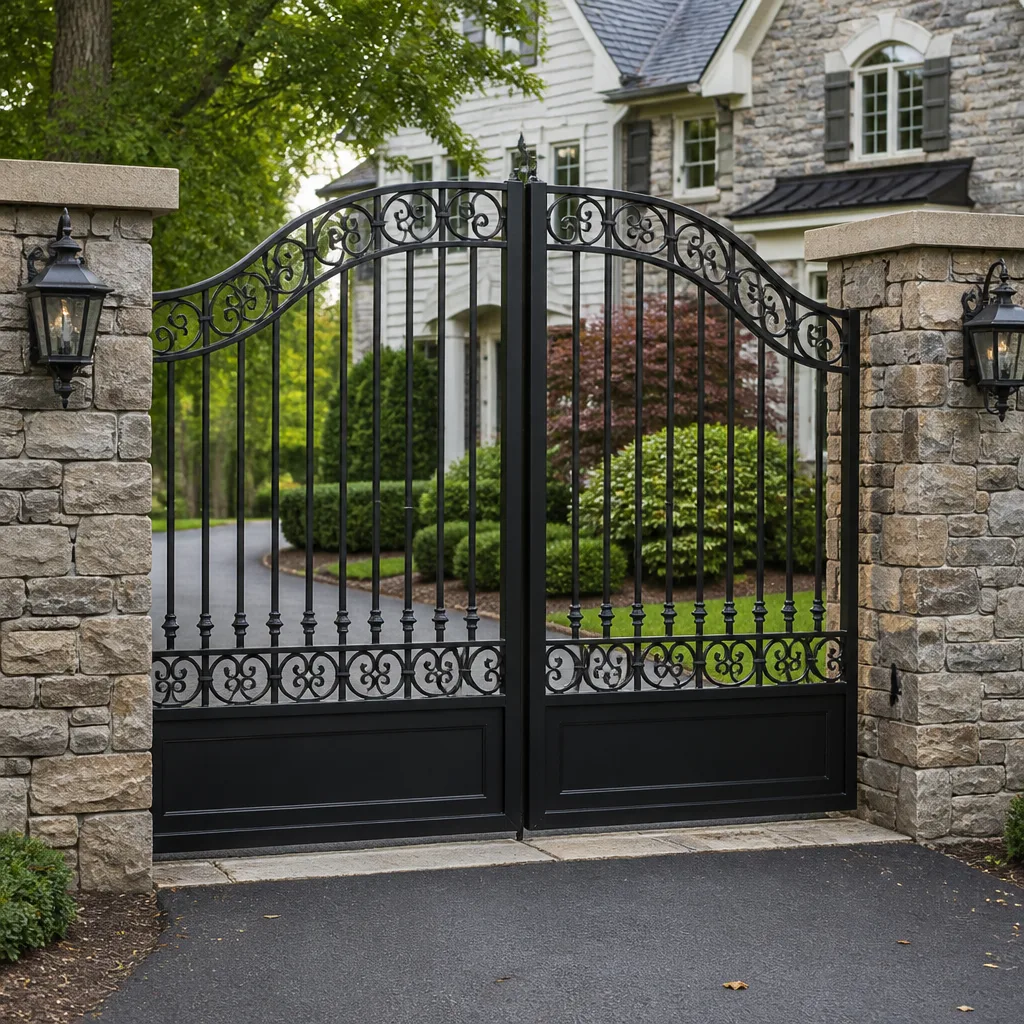 Wrought iron
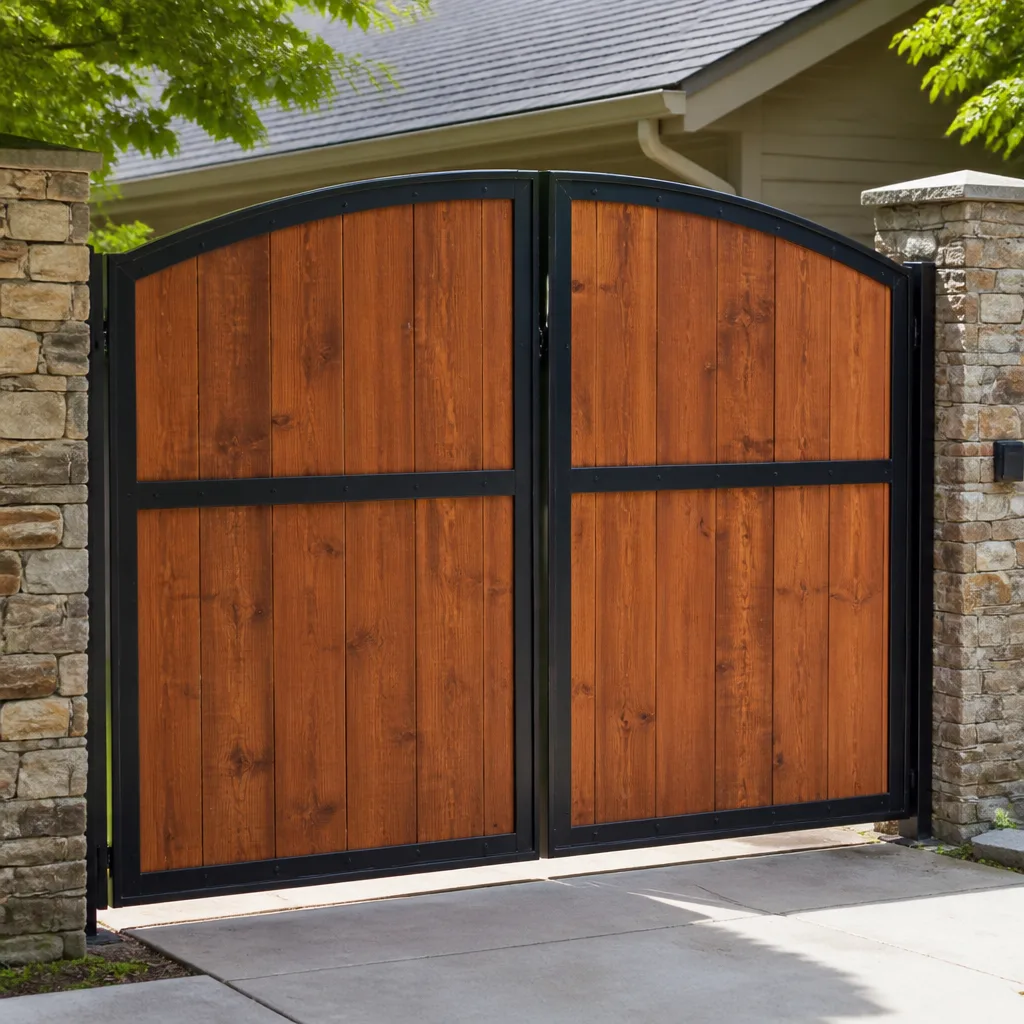 Wood & steel frame
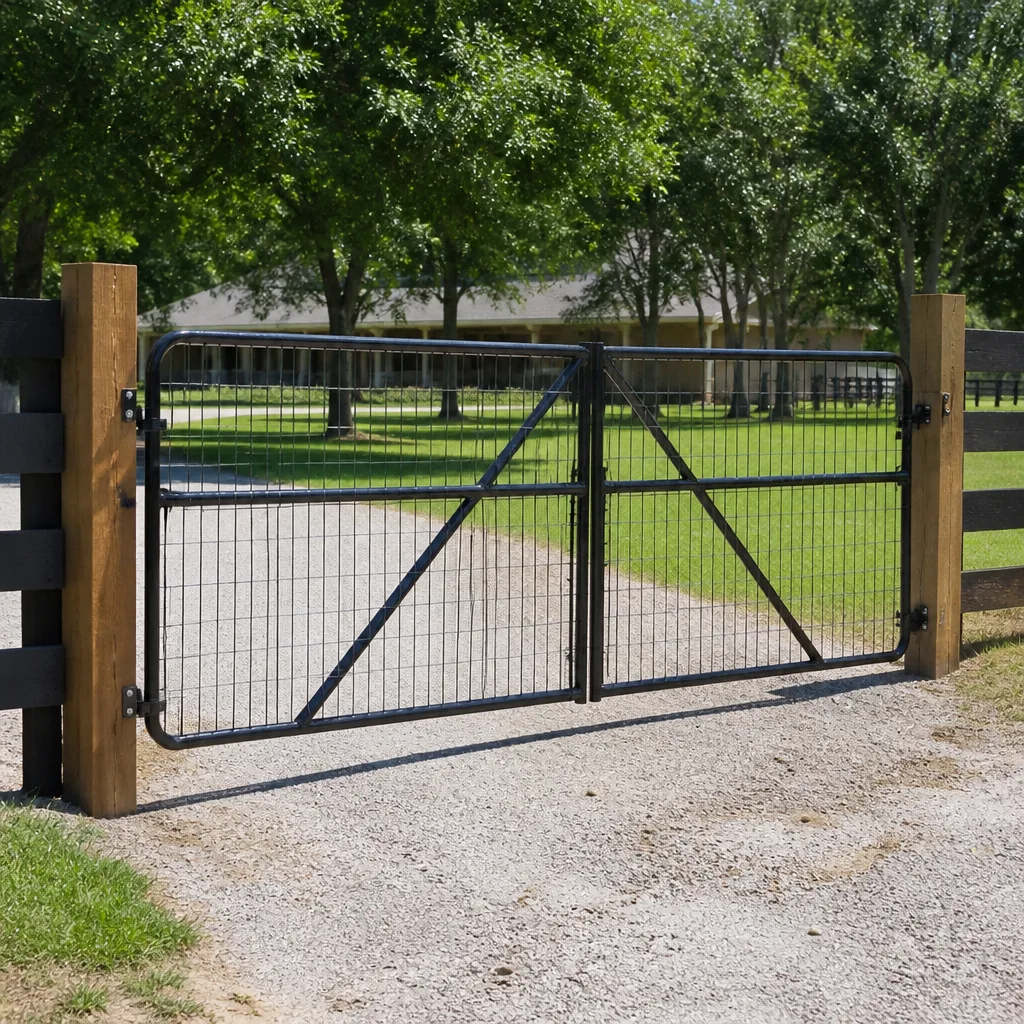 Farm & ranch
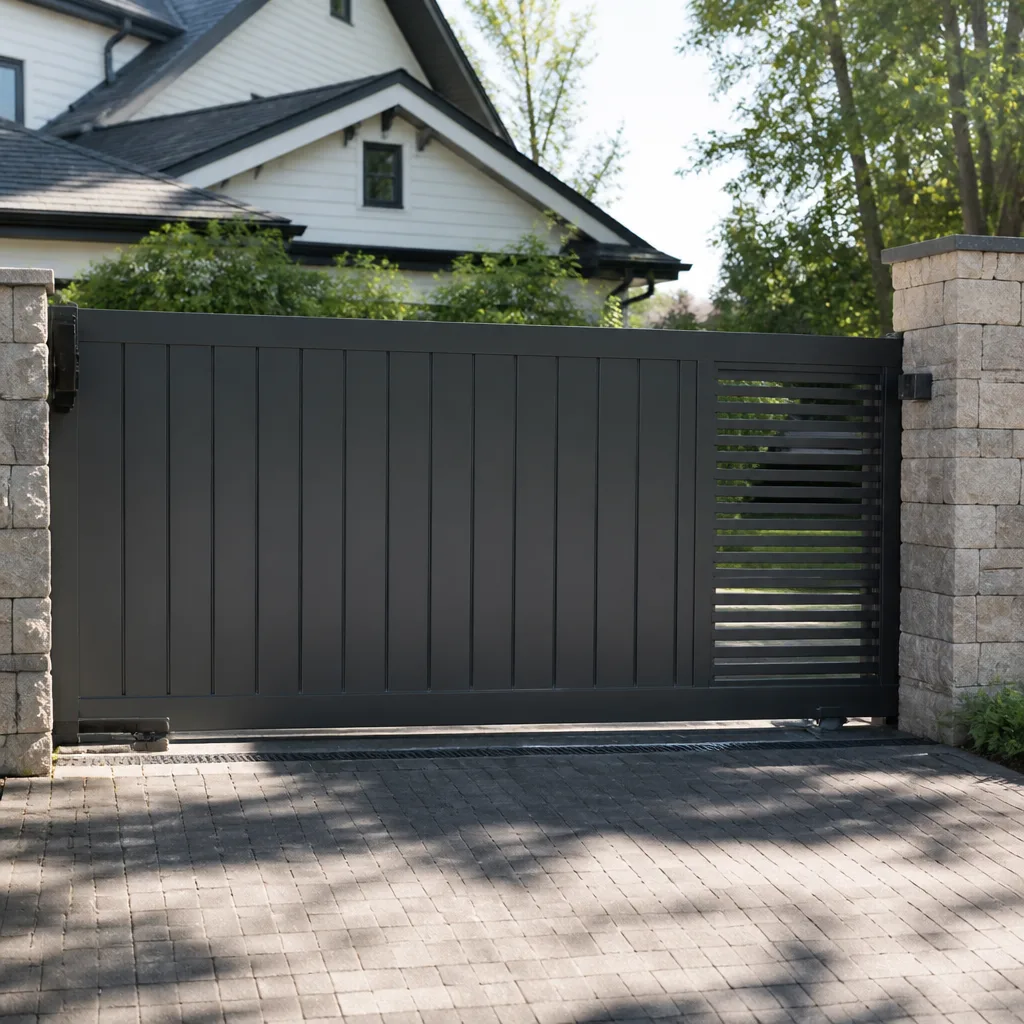 Sliding driveway gates
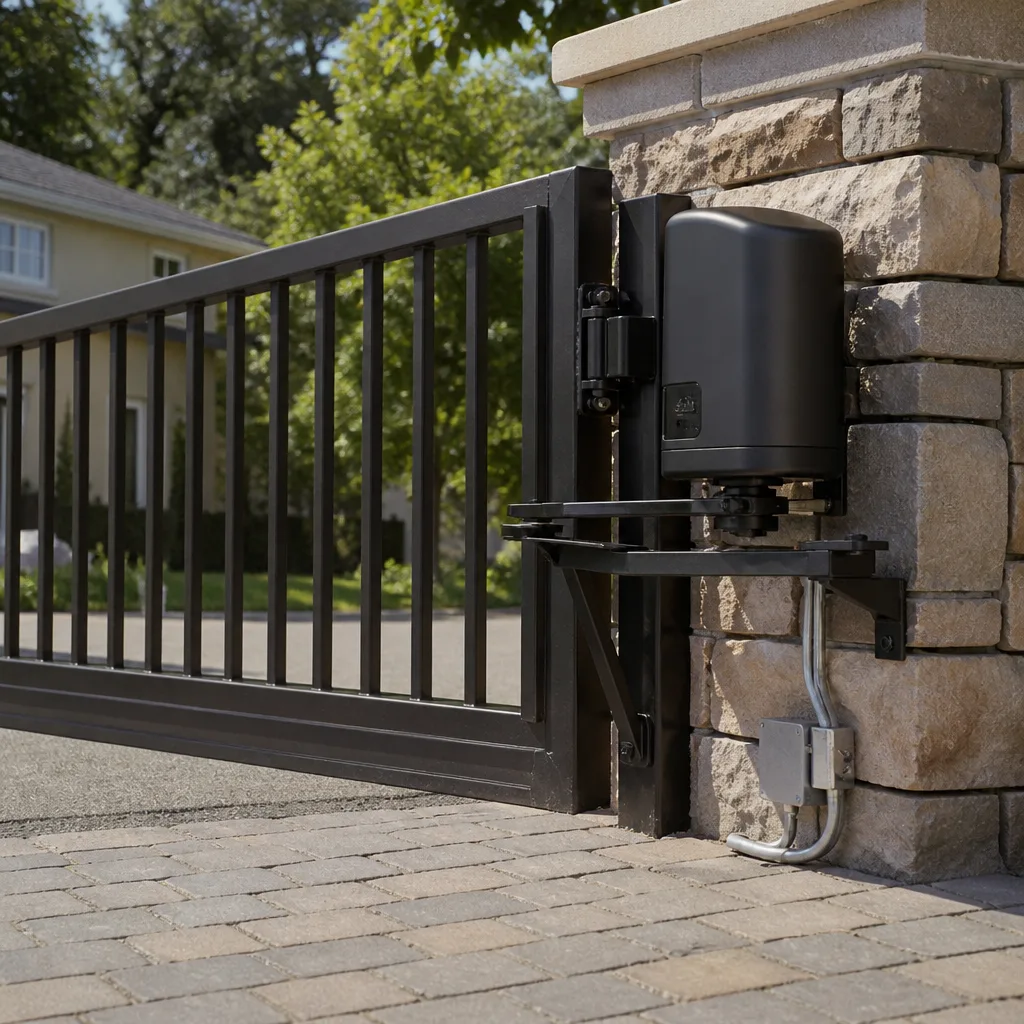 LiftMaster operators
Free on-site gate assessment - hinges, posts, and your LiftMaster or Nice gate operator checked before anything is quoted
The assessment is free and the quote is the invoice.
Get your free estimateSeasonal Gate Repair Care for Bellevue: Year-Round Homeowner’s Guide
January is Bellevue’s busiest month for gate calls. Not because gates suddenly break in the cold, but because October and November maintenance got skipped. A gate that labored through fall leaf drop, a wet November, and the first hard freeze arrives in January with a weak operator battery, packed slide track, and hardware that has quietly loosened. The failure looks sudden. It isn’t. It’s the end of a chain that started months earlier. This guide walks through what fails in each Bellevue season, what you can check yourself, and what belongs on a professional’s list. You’ll learn when the critical windows are, so the emergency call never happens.
Quick Answer
Seasonal gate care in Bellevue follows a predictable cycle: fall battery testing and track clearing before cold weather, winter inspection of welds and hinge hardware after freeze-thaw cycles, spring post-settlement checks on the gate’s travel arc, and summer attention to UV-degraded sensors and dry-season track debris. Most emergency calls trace back to a skipped autumn check, which is why late October is the single most valuable maintenance window on the calendar.
Styles & brands we work with
- Wrought iron
- Wood & steel frame
- Farm & ranch
- Sliding driveway gates
- LiftMaster operators
Table of Contents
- Fall: The October Window That Sets Up the Whole Year
- When Your Gate Slows Down During Leaf Season
- Winter: Freeze-Thaw Cycles and What They Stress
- Spring: Post-Settlement Inspection of the Travel Arc
- Summer: UV, Sensors, and Dry-Season Track Debris
- What an Annual Professional Inspection Should Include
- Common Mistakes to Avoid
- Frequently Asked Questions
Fall: The October Window That Sets Up the Whole Year
Late October is the most valuable maintenance window on a Bellevue gate calendar. The reason is electrical, not mechanical. A lead-acid battery in a gate operator loses capacity as temperature drops, and cold weather also raises the resistance the battery works against. An operator battery at 60% capacity in September can function normally for weeks. In January, at half that capacity, the same battery can’t produce enough amperage to move the gate. The failure isn’t the cold. It’s the battery that was already weak before the cold arrived.
Testing an operator battery properly takes a load tester, which most homeowners don’t own. What you can do without equipment:
- Count the seconds it takes your gate to open fully. Write the number down. If it increases by more than a couple of seconds in the following weeks, the operator is laboring.
- Run the gate through five full open-close cycles in a row. If the fifth cycle is noticeably slower than the first, the battery is fading.
- Listen for a slower, heavier motor sound over the last few cycles. A healthy operator sounds the same on cycle one and cycle five.
- Check whether your operator has a battery backup at all. Some AC-powered operators do; some don’t. Battery backup systems fail silently.
If the gate hesitates or slows during the five-cycle test, that’s a diagnosable problem with a known fix, and late October is when you want it found. Operators from FAAC and BFT are common on Bellevue properties, and both are known for battery behavior changes that show up weeks before total failure. Whether the operator is a FAAC or a Viking, the test is the same, and a specialist can run it and replace what needs replacing before the first freeze.
When Your Gate Slows Down During Leaf Season
A gate that slows down in October or November is usually telling you about friction, not failure. Bellevue’s mature tree cover means leaf drop arrives fast and accumulates in the gate’s operating zone. Wet leaves in a slide gate’s track, or packed against a swing gate’s hinge post, add resistance the operator has to overcome. The motor works harder, the battery drains faster, and the gate sounds sluggish.
Here’s the sequence we recommend when a gate starts slowing during leaf season:
- Clear leaves from the full track or swing arc, not just the visible section. A slide gate track runs the entire width of the opening.
- Inspect the track for packed debris at the far end. Debris collects where the gate parks.
- Run three full cycles and listen. If the gate sounds normal after clearing, it was friction.
- If the gate still labors after clearing, the problem is upstream: battery, motor, or a worn roller. That’s the point to stop testing and get a diagnosis.
Leaf season is also when Bellevue’s wet weather starts. Wet debris in a track compacts differently than dry leaves. It can harden against the track rail and set up a rim that scrapes the gate’s rollers with every pass. Left in place through winter, that rim becomes a wear point. Clearing the track weekly during peak leaf drop is a five-minute job that prevents a February repair.
One more point about leaf season: a gate that slows down can also be a battery approaching failure, which we covered above. If clearing the track doesn’t restore normal speed, treat it as an electrical symptom and get it checked. That’s what an electric gate repair call is for, and it’s a better use of one visit than waiting for a dead operator.
Winter: Freeze-Thaw Cycles and What They Stress
Bellevue’s winters don’t deliver the deep, sustained freezes of colder climates. They deliver something harder on gate hardware: repeated freeze-thaw cycles. Bellevue sits in the low hundreds of feet in elevation near the lake, and winter temperatures routinely hover around the freezing mark. That means water in a gate’s fittings can freeze overnight, thaw by afternoon, and refreeze the next night, over and over across a season. The damage isn’t from one hard freeze. It’s from the repeated cycle.
Freeze-thaw stress hits specific places first:
- Welds and weld seams on steel gates. Water gets into a small void or seam, freezes, expands, and cycles. Over a winter, a hairline void can open into a visible crack at the weld.
- Hinge hardware and pivot bolts. Repeated expansion and contraction works loose the fasteners that hold hinges in place. A hinge bolt that was torqued in September can be finger-loose by February.
- Operator enclosures. Moisture ingress at gaskets and cable entries, combined with freezing, can stress seals and compromise the enclosure’s weather resistance over time.
- Ground at the gate posts. A swing gate post in soil that heaves and settles can shift slightly out of plumb, and the gate’s arc changes with it.
The fix for most of this is inspection, not repair. A winter check that confirms hinge bolts are tight, weld seams are intact, and the gate still swings square catches the problems while they’re still cheap to correct. This is also where a specialist’s eye matters: a hairline crack at a weld seam on a heavy gate panel is a safety issue, not a cosmetic one. A gate that fails at a weld can drop or swing unpredictably, and heavy panels can crush. If you spot a visible crack, stop operating the gate and get it looked at.
One safety caveat that applies year-round on automated gates: never reach into the gate’s path to free a jam, and never bypass a safety edge to keep the gate moving. The power and wiring on an operator, the crushing weight of the panels, and a slide gate that jumps its track are the real hazards in this trade. That’s work for a trained technician.
Spring: Post-Settlement Inspection of the Travel Arc
Bellevue’s wet season runs from fall through early spring, and by the time it ends, the ground around a gate post has been soaked, drained, and dried repeatedly. Soil moves. A swing gate post set in a properly footed hole can still shift a fraction of an inch across a wet winter. That fraction shows up in the gate’s travel arc, and the arc is what tells you whether the post needs attention.
Here’s how to inspect the travel arc after the wet season:
- Open the gate and stop it at several points along its swing. Watch the gap between the gate’s leading edge and the fixed fence or post. The gap should stay roughly constant through the swing.
- Look at the gate’s horizontal line at its parked position. A gate that used to sit level but now dips on the latch side is telling you the hinge post moved.
- Check the latch. If the gate no longer meets the latch cleanly and needs to be lifted or pushed to close, the gate has drifted out of alignment.
- On a slide gate, run the gate slowly through its full travel and watch the gap between the gate and the track. Binding or a widening gap means the posts or track have shifted.
Ground movement in Bellevue’s wet-season soil is common, and it doesn’t always mean a rebuild. A post that’s shifted slightly can often be corrected by re-setting the hinge hardware or adjusting the operator’s limits. But a post that’s leaning or that has visibly moved needs correction before the gate puts torque into the operator. A gate that closes against a misaligned post fights the operator every cycle, which shortens motor life and can trigger repeated limit faults. If your spring check shows movement, get it looked at before it becomes an operator repair.
This is also the right time to look at the gate structure as a whole. A gate that has been through a wet winter is worth a full pass: hinge play, weld condition, latch alignment, and post plumb. Our technicians have up to experience reading exactly this kind of seasonal wear, and a single on-site visit can diagnose both the mechanical gate structure and its electrical components.
Summer: UV, Sensors, and Dry-Season Track Debris
Summer in Bellevue brings direct sun to parts of a gate system that spend the rest of the year under cloud cover. UV exposure degrades two things fast: the plastic housings on safety sensors and access control keypads. A photo-eye sensor or keypad housing that has UV-cracked can let moisture in, and moisture in a sensor causes false trips. A gate that reverses for no reason, or a keypad that stops accepting codes intermittently, is a classic summer symptom.
The other summer issue is dry-season track debris. This seems backward at first, since leaf drop is over. But a slide gate track in dry weather accumulates grit, blown dust, and fine soil that behaves differently than wet debris. Dry grit works into the track’s roller path and acts like an abrasive. Over a summer, dry grit can wear rollers and track surfaces faster than wet seasonal debris, because it stays in place and grinds.
Summer checks for a Bellevue gate:
- Inspect sensor and keypad housings for cracking, yellowing, or visible gaps at the seams. Any housing that has lost integrity should be replaced, not sealed with tape.
- Test the safety edge and photo-eye at least monthly. Put an object in the gate’s path and confirm the gate reverses or stops as it should.
- Clean the slide gate track of dry grit and dust, then check the rollers for flat spots or visible wear.
- Check the operator’s control board enclosure for heat buildup if it sits in direct afternoon sun. Control boards are sensitive to heat, and an enclosure with a failed vent or gasket can run hotter than it should.
Summer is also when access control problems surface most clearly. A keypad or intercom that worked all year can start dropping codes in heat. Linear and Viking access control systems are common on Bellevue residential and multi-family gates, and both are known for housing-related failures that show up in summer. A specialist can test the board and the housing together, which is the part generalists skip.
What an Annual Professional Inspection Should Include
A homeowner can clear a track, count seconds, and spot a visible crack. A professional inspection goes further, and the gap between the two is where seasonal failures get caught before they become emergency calls. Here’s what a proper annual gate inspection should cover, season by season.
Fall inspection should include:
- Operator battery load test, with actual amp draw measured under load.
- Battery backup verification and replacement of any battery that fails load testing.
- Full track clearing and roller inspection on slide gates.
- Operator limit and force adjustment check, so the gate isn’t fighting its own settings.
Winter inspection should include:
- Weld seam and weld crack inspection on the full gate structure.
- Hinge bolt and pivot hardware torque check.
- Operator enclosure seal and gasket inspection.
- Post plumb check after freeze-thaw cycles.
Spring inspection should include:
- Travel arc measurement and post-settlement assessment.
- Gate alignment, latch alignment, and swing squareness on swing gates.
- Control board diagnostics, including limit fault logs if the operator stores them.
- Loop detector and safety device functional test.
Summer inspection should include:
- Sensor and keypad housing inspection for UV degradation.
- Access control board diagnostics and intercom integration check.
- Track and roller wear assessment.
- Operator heat check on enclosures in direct sun.
That’s the full cycle. A single annual visit that covers all four is more efficient than piecemeal calls, and it catches the battery problem in fall before it becomes a January failure. Automated gate repair is its own specialty, and it’s all we do. Our gate repair work covers the mechanical and electrical sides in one visit, which is the main reason we can diagnose a seasonal problem accurately instead of guessing at the control board.
Common Mistakes to Avoid
- Treating the battery as a “replace when it dies” part. A gate operator battery should be tested under load every fall. Waiting for failure means a dead gate in January, when you need it most.
- Clearing the track only where you can see it. On a Bellevue slide gate, debris packs at the far end where the gate parks. That’s the part most homeowners miss, and it’s the part that wears the rollers.
- Skipping the spring post check after a wet winter. Bellevue’s wet season moves soil, and a shifted post that isn’t corrected fights the operator every cycle. It’s the difference between an adjustment and a motor replacement.
- Sealing a cracked sensor or keypad housing with tape. UV-cracked housings need replacement, not repair. Tape traps moisture and causes false trips.
- Adjusting the operator’s force setting to push through a jam. A gate that needs more force is telling you about friction or misalignment. Raising the force setting masks the problem and stresses the gate structure.
- Assuming a slowing gate is a mechanical problem. In fall and winter, a slowing gate is more often a battery or electrical issue. Clearing the track and counting cycles tells you which.
- Bypassing a safety edge to keep a gate moving. Never do this. The safety edge is the one component standing between a heavy panel and a person or vehicle.
When to Call a Professional
Some seasonal gate issues are self-service: clearing a track, counting cycles, checking for visible cracks. Others belong with a specialist. Call a professional when your gate hesitates or slows during a five-cycle test and clearing the track doesn’t fix it, when you spot a crack at a weld seam, when hinge hardware is loose or a post has visibly moved, when a sensor or keypad has cracked housing or is tripping unpredictably, or when the operator logs limit faults or reverses without obstruction. Winter and spring are when structural issues surface, and fall is when electrical ones do. Bellevue Gate Repair offers free estimates in Bellevue. Call (855) 683-9015. We answer 24/7. Fast dispatch from 7am to 7pm, Sunday through Friday.
If you’re not sure which category your gate falls into, describe the symptom and we’ll tell you whether it’s a self-check or a service call. A gate that won’t open, closes too fast, or has an operator that’s grinding is a diagnosable problem with a known fix, and getting a gate specialist on-site beats a generalist guessing at your control board.
Frequently Asked Questions
Testing the operator battery under load in late October. Cold weather reduces battery capacity and increases the resistance the battery works against, so a battery that’s fine in September can fail in January. A load test in October catches a fading battery before the cold arrives.
Usually friction from leaf debris in the track or hinge area, or a battery that’s losing capacity as temperatures drop. Clear the full track, then run three cycles. If the gate sounds normal, it was debris. If it still labors, get the battery and motor checked.
Yes, but differently than a deep-freeze climate. Repeated freeze-thaw cycles stress weld seams and loosen hinge hardware through expansion and contraction, rather than through one sustained freeze. The damage accumulates across the season, which is why a winter inspection catches it before spring.
Watch the gap between the gate’s leading edge and the fixed fence as the gate swings. If the gap changes through the swing, or the gate dips on the latch side, or the latch no longer meets cleanly, the post has moved. That’s a spring inspection item.
UV exposure cracks plastic housings on safety sensors and access control keypads, letting moisture in and causing false trips. A cracked housing needs replacement. Test the safety edge and photo-eye monthly, and inspect housings for cracking or yellowing.
Yes. We handle manual gate repair, electric and automated gate repair, and new gate installation. We work on FAAC, BFT, Linear, Viking, LiftMaster, Ghost Controls, DoorKing, Elite, and Mighty Mule systems, which means we can diagnose an unfamiliar operator instead of defaulting to replacement. For Bellevue gate repair questions, call (855) 683-9015 and we’ll get started.
The Bottom Line
Bellevue gate failures follow a seasonal pattern. Fall battery testing catches the January breakdown. Winter inspection catches freeze-thaw damage to welds and hinges. Spring post-settlement checks catch the alignment drift that shortens operator life. Summer inspection catches UV degradation and dry-season track wear. The homeowner who works these four windows in order avoids the emergency call, because the failures never happen suddenly. They accumulate from a skipped check months earlier. If you want a single annual visit that covers all four seasons properly, or if your gate is already showing symptoms, call a specialist who works on gates exclusively. Call (855) 683-9015.
We’re a dedicated gate specialist serving residential, multi-family, and commercial properties across Bellevue, and our technicians have up to experience with the systems that fail most in each season. Get a gate specialist on-site, not a generalist guessing at your control board.
Written by the team at Bellevue Gate Repair.
See the difference
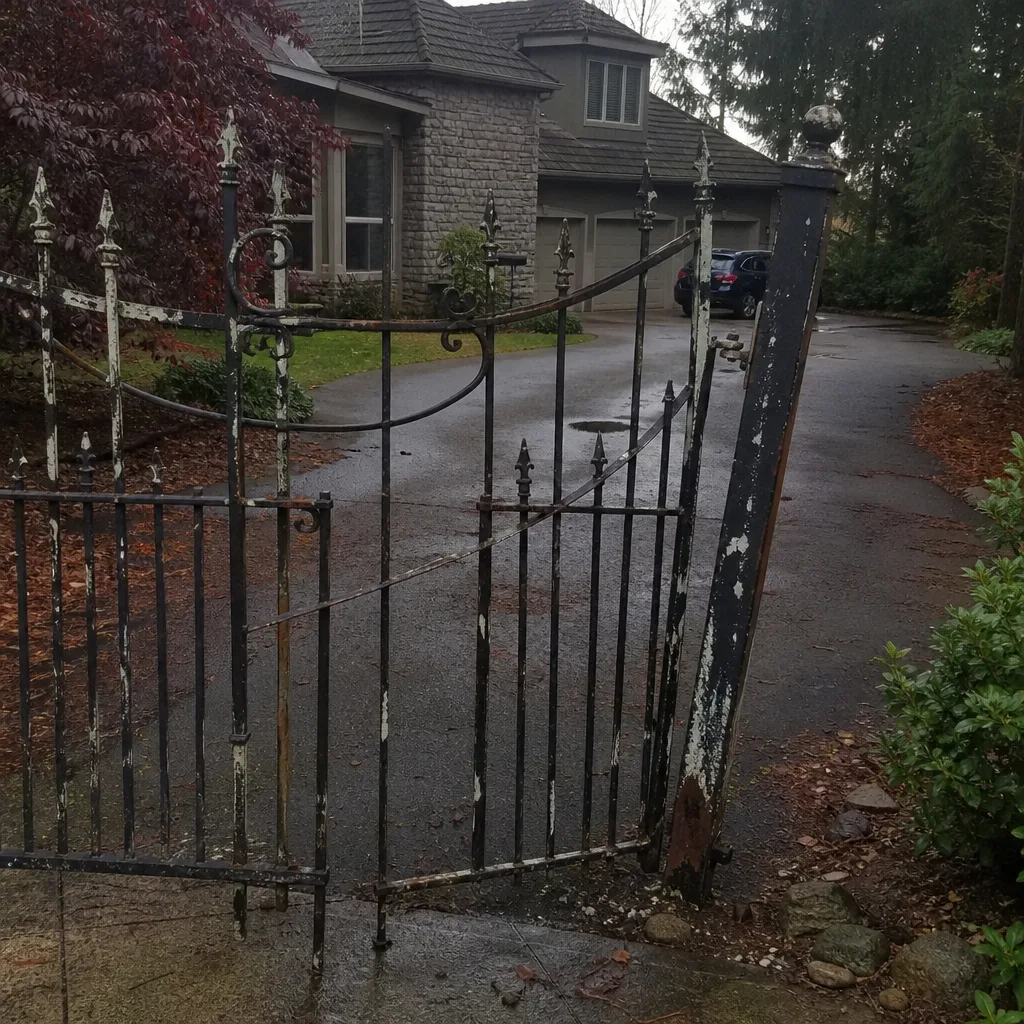 Before
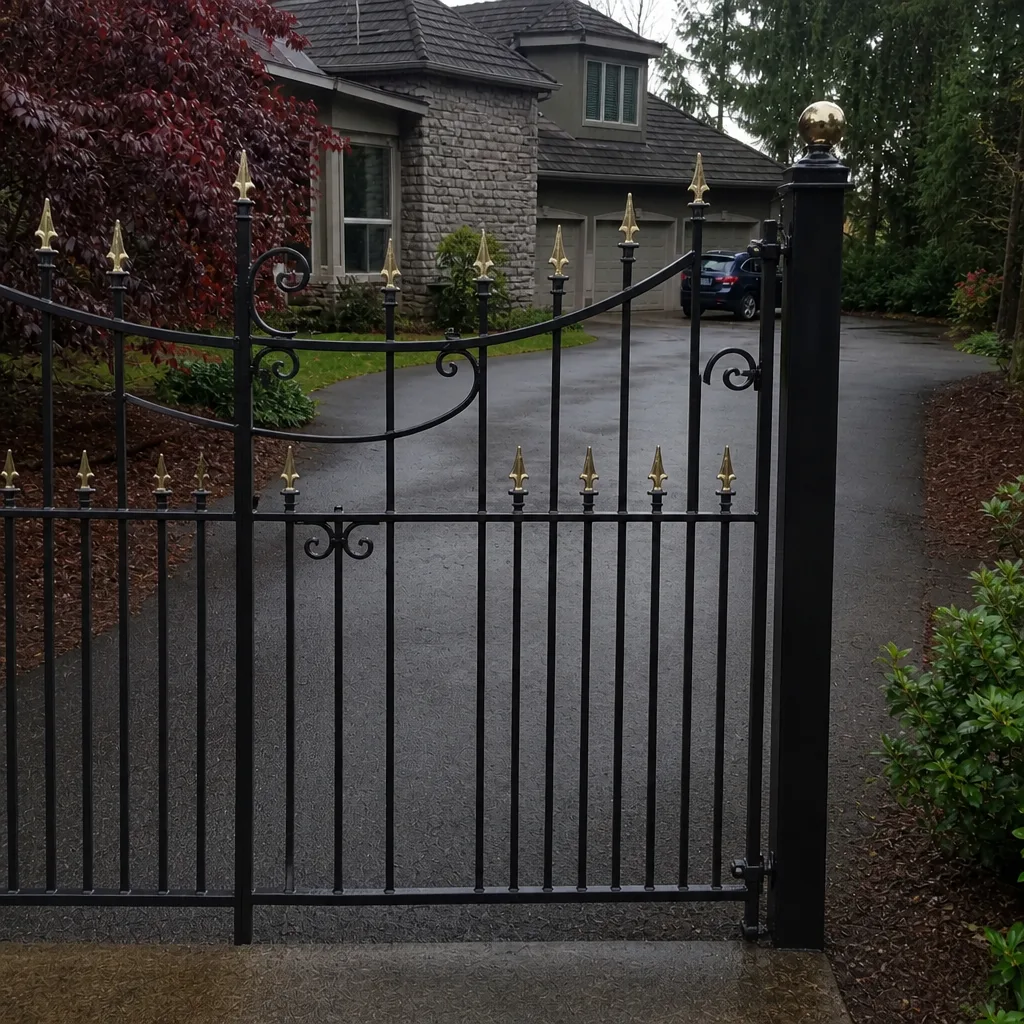 After
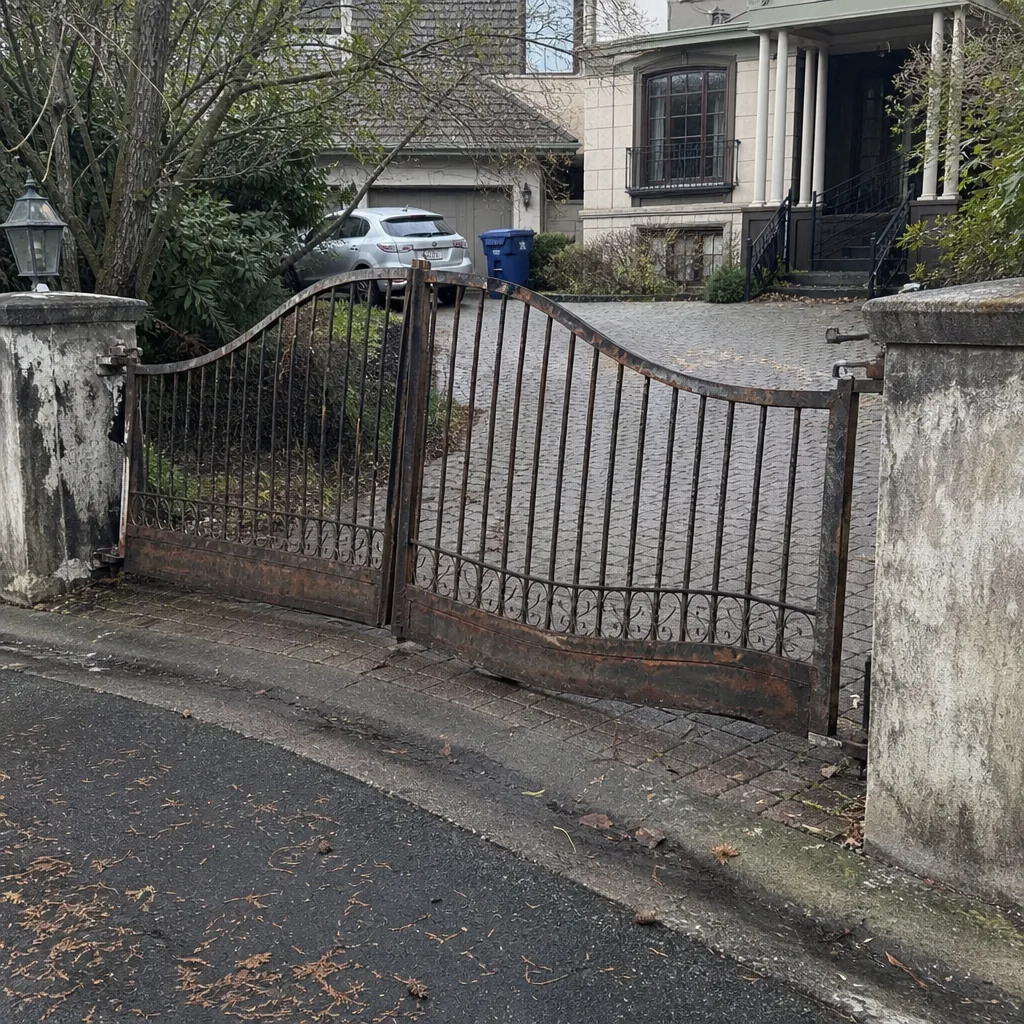 Before
 After
 Before
 After