
Last updated November 15, 2026
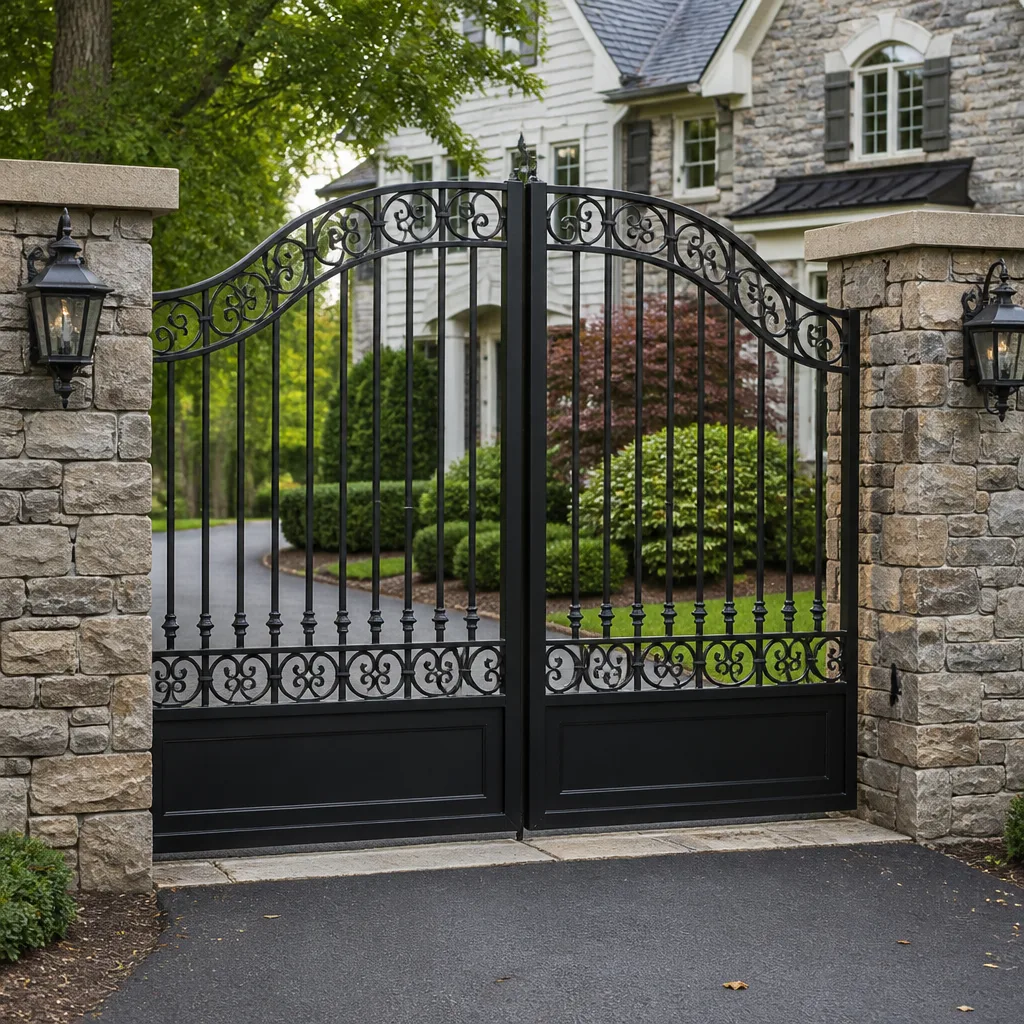 Wrought iron
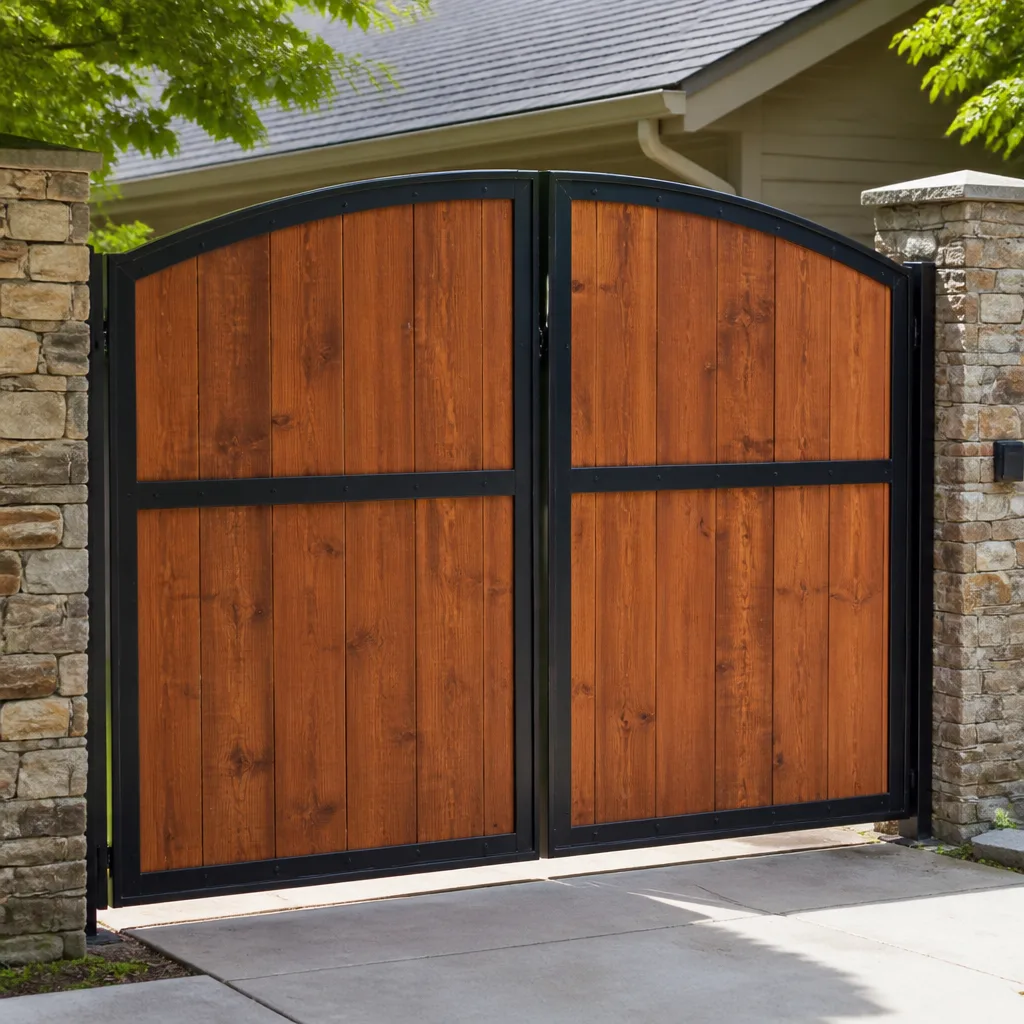 Wood & steel frame
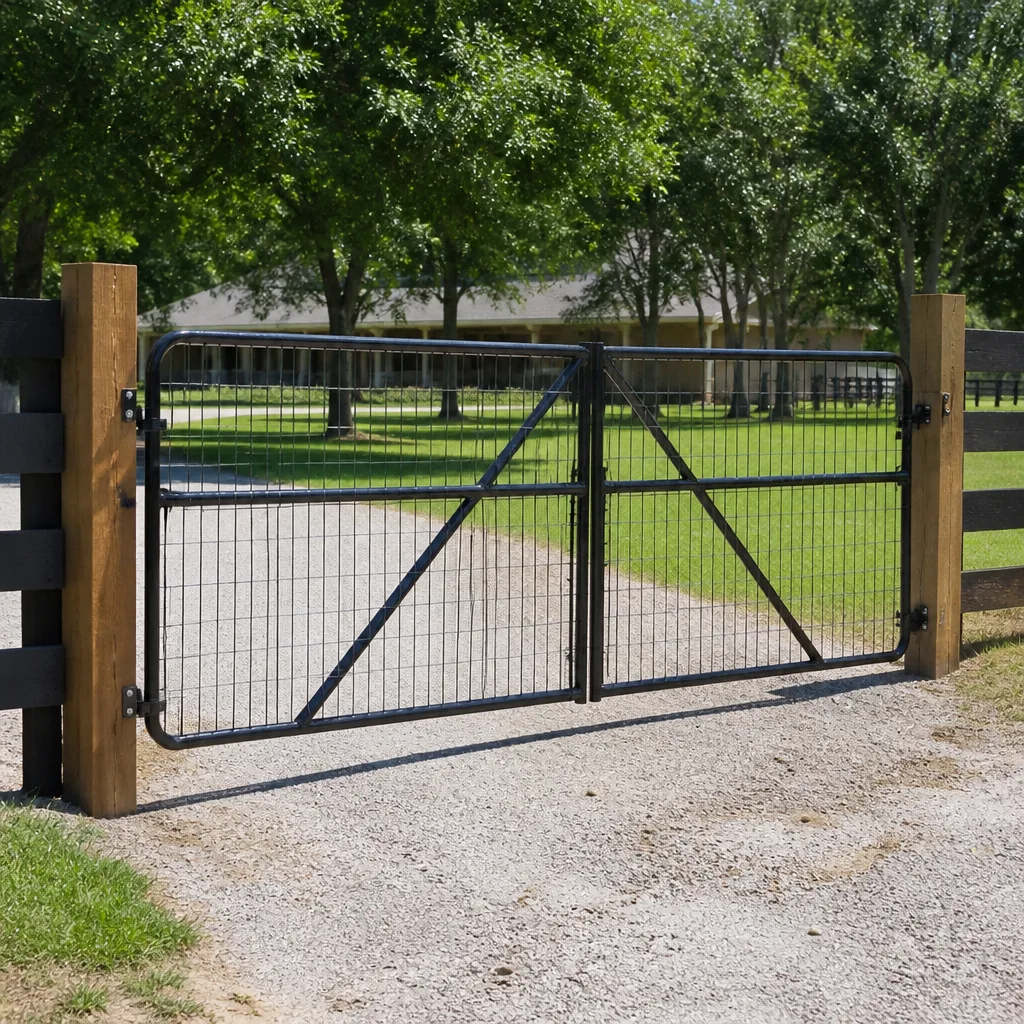 Farm & ranch
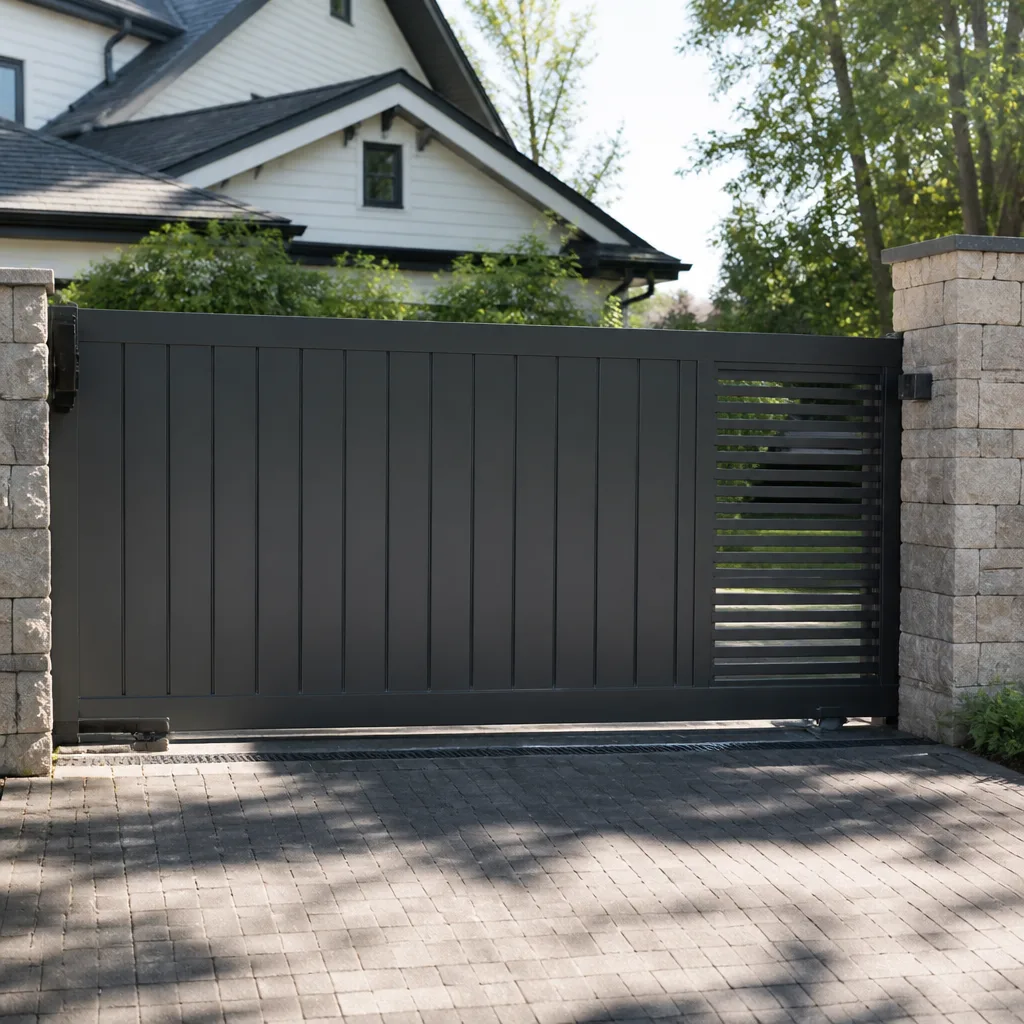 Sliding driveway gates
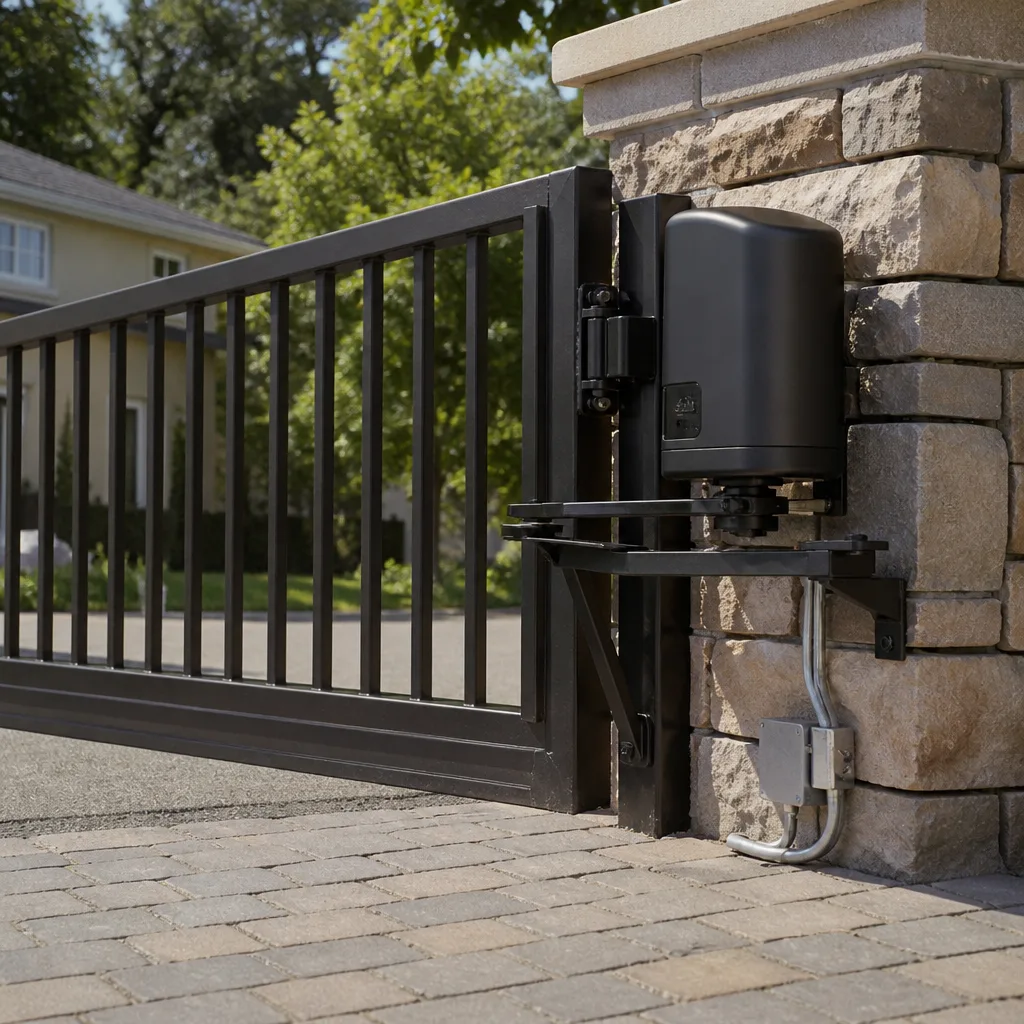 LiftMaster operators
Free on-site gate assessment - hinges, posts, and your LiftMaster or Nice gate operator checked before anything is quoted
The assessment is free and the quote is the invoice.
Get your free estimateGate Repair Cost Breakdown: The Bellevue Homeowner’s Reference for 2026
Here’s the part of gate repair nobody explains before you call: “the gate won’t open” describes about a dozen different problems, and they don’t cost anything close to each other. It could be a battery, a fuse, a bound hinge, a worn drive wheel, or a control board that’s done. The reason two Bellevue homeowners with the same complaint get very different quotes isn’t bait-and-switch. It’s that five variables stack on top of each other, and most people only learn about them once they’re already on the phone. This guide walks through real 2026 cost ranges for the repairs we see most, why operator brand swings parts pricing by hundreds, what Bellevue-specific conditions add to labor, and how to read a contractor’s invoice line by line before you sign anything.
Styles & brands we work with
- Wrought iron
- Wood & steel frame
- Farm & ranch
- Sliding driveway gates
- LiftMaster operators
Quick Answer
Most gate repairs in Bellevue fall between roughly $150 and $600 for common mechanical and electrical fixes, while operator control-board replacements and structural repairs can push past $1,200. The final number depends on five stacked variables: gate type, operator brand and parts availability, hidden structural damage, and how hard it is to physically reach the gate. Always get a written estimate that’s quoted and agreed before any work starts.
Table of Contents
- Why Gate Repair Costs Vary So Much: The Five Variables
- Common Bellevue Gate Repairs and Their 2026 Cost Ranges
- How Operator Brand Affects Parts Cost and Lead Time
- Bellevue Labor Factors: Access, Slopes, and Permits
- Trip Charge vs. Diagnostic Fee vs. Service Call: Reading the Invoice
- When a Repair Estimate Is Close to Replacement Cost
- What a Specialist Visit Actually Involves
- Common Mistakes to Avoid
- When to Call a Professional
- Frequently Asked Questions
Why Gate Repair Costs Vary So Much: The Five Variables
A gate repair quote isn’t one number for one problem. It’s the sum of five variables, and when more than one of them is in play, the price climbs faster than most homeowners expect. Understanding these up front is the difference between a fair quote and a surprise.
- Gate type. A sliding gate rides on wheels and a track, so its wear parts are heavy and its track can shift. A swing gate depends on hinges, an arm or actuator, and a post that has to stay plumb. The two fail in different ways, and the parts don’t overlap.
- Operator brand and parts availability. A common brand with broad supply costs less to fix than a unit whose board has to be ordered. This is the variable that surprises people most.
- Parts lead time. A part in stock means one visit. A part on order means two, and the gate sits unusable in between.
- Structural damage. A sagging gate that looks like an operator problem is often a failing hinge, a cracked weld, or a post that has moved. Structural work adds material and time underneath the electrical fix.
- Access complexity. A gate at the end of a flat, open driveway is quick to reach. A gate up a steep lot inside a gated community with an access code, a visitor log, and a narrow approach is not.
When you call for gate repair in Bellevue, the single most useful thing you can do is describe which of these five might be involved. “It grinds and stops about halfway” points a technician toward one group of causes. “It’s totally dead” points toward another. That description is what turns a vague visit into a focused one.
Common Bellevue Gate Repairs and Their 2026 Cost Ranges
These are typical ranges for the repairs we handle most often in the Bellevue area in 2026. Treat them as planning figures, not quotes: the written estimate you receive after an on-site look sets the final price, and it’s agreed before any work begins.
| Repair | Typical 2026 Range | What Drives the Price |
|---|---|---|
| Hinge replacement (swing gate) | $150 – $400 per hinge set | Heavy-duty hinge grade, number of hinges, whether the post needs reinforcement |
| Operator control board replacement | $350 – $900 | Brand, board availability, whether the board is still produced |
| Wheel and track repair (sliding gate) | $200 – $550 | Wheel size and load rating, whether the track is re-anchored or replaced |
| Weld repair | $180 – $500 | Whether the frame comes off-site, amount of material, finish touch-up |
| Post resetting or re-anchoring | $400 – $1,200 | Footing condition, gate weight, surface removal and repouring |
| Safety edge, loop, or sensor replacement | $200 – $600 | Sensor type, wiring runs, integration with the existing operator |
Two things tend to push a job toward the top of its range. First, a “secondary” failure: a hinge that’s been loose for months can stress the operator arm, so fixing one reveals the other. Second, age-related wear in a group of parts at once, which is common on gates that have been in service a long time without attention. Neither is unusual, and both are things a technician can tell you about before the work starts.
The lower end of these ranges is usually a single-part swap on a gate that’s otherwise sound. The upper end is where structural and electrical work overlap. That overlap is where the five variables from the previous section do their real damage, and it’s the most common reason a repair estimate looks bigger than the homeowner expected.
How Operator Brand Affects Parts Cost and Lead Time
Two operators of the same type and the same age can have wildly different repair costs, and the difference is almost entirely parts. A board that’s in wide production and stocked broadly might run a few hundred dollars. A board for a less common or older system might cost a couple hundred more, or more than that, and take weeks to arrive. Same gate, same symptom, very different invoice.
In practice, the brands we work on regularly – LiftMaster, DoorKing, FAAC, BFT, Linear, Viking, Ghost Controls, Elite, and Mighty Mule – span a wide range of parts ecosystems. Some have deep, fast supply. Others have narrower channels and longer lead times on specialist components like control boards, loop detectors, and intercom modules. A DoorKing board for an access-controlled community gate is a different procurement exercise than a board for a common residential operator. That’s not a markup trick. It’s supply.
We work on Ghost Controls and DoorKing systems regularly, and here’s what we typically find: the diagnosis takes twenty minutes, and the wait for the part takes longer than the repair itself. When that happens, we tell the homeowner exactly what’s on order and what the lead time looks like, so they can plan around unusable days rather than guess.
A repair estimate that seems high for a board replacement is worth a second look at two things: the exact board, and whether it’s in stock. Sometimes the smart move is repairing the existing board’s connections rather than replacing the whole thing. Sometimes it genuinely needs replacement. The only way to know is a diagnosis that identifies the actual fault, not a default “replace it” on a system the technician doesn’t recognize.
Bellevue Labor Factors: Access, Slopes, and Permits
Labor in Bellevue isn’t priced by the hour alone. It’s priced by how much time a job actually takes, and several local conditions add time that a phone quote can’t see. These are the factors that separate a straightforward swap from an all-day job.
Gated community access restrictions
Plenty of properties in Bellevue sit behind a community gate or a shared private drive. Getting a technician and tools inside means coordinating an access code, a gate schedule, a visitor log, and sometimes a call to the HOA or property manager. If that coordination has to happen twice – once to diagnose, once to install a part that had to be ordered – the second access run is real labor. HOAs and property managers can save themselves time by having access details ready before the tech arrives.
Steep-lot driveway difficulty
Bellevue’s hillside neighborhoods mean gates at the top of steep, winding driveways. A gate perched on a slope can be harder to stabilize, harder to work around, and heavier to move when a panel has to come off. Slope also affects how a sliding gate’s track settles over time, which is why post and track work shows up more often on graded driveways than on flat ones.
Permit-required work and inspection fees
Some gate work – particularly new installation, electrical changes, and structural post or footing work – can require a permit from the City of Bellevue. Permit and inspection fees are a pass-through cost, not a labor cost, but they belong in your all-in budget. If a contractor’s written estimate doesn’t mention whether a permit is required, ask before you approve. We tell homeowners to check with the city when there’s any doubt.
Getting unstuck
A gate that’s jammed in the open or closed position takes extra time to free safely, especially on heavy sliding panels. That time is part of the estimate, and it’s worth asking about up front so there are no surprises on the invoice.
For automated systems, the electrical side adds its own considerations. electric gate repair involves the operator, the control board, the safety sensors, the wiring, and the power source as one system, and a technician who can diagnose all of it in a single visit saves you a second call. Safety edges, loop detectors, and intercom integration are exactly the high-complexity work that generalists turn down, and they’re the reason a dedicated gate specialist is the right call rather than a handyman guessing at your control board.
Trip Charge vs. Diagnostic Fee vs. Service Call: Reading the Invoice
These three terms get used interchangeably, and they mean different things. Knowing the difference is how you evaluate a quote fairly, and how you avoid paying for something twice.
- Trip charge: a fee for showing up, sometimes refunded against the repair if you proceed. Ask before booking.
- Diagnostic fee: a fee for identifying the fault. This is the labor that answers “what’s actually wrong,” and it’s often refundable or credited if you approve the repair. Confirm this in writing.
- Service call: the labor of performing the repair itself, quoted per job. This is the part that should be a fixed, agreed price before work starts.
Our policy is simple: the estimate is free, and the price is quoted and agreed before any work begins. That means no diagnostic charge and no fuzzy “we’ll see once we’re in there.” If a quote you’re comparing comes with a separate diagnostic fee, ask whether it’s credited toward the repair – that’s the one line that changes the math on a small job. For a hinge replacement, a credited diagnostic fee is a rounding error. For a full board replacement, it isn’t. Get the answer in writing either way.
One more invoice habit worth building: ask the contractor to break the quote into parts and labor, and to state whether the parts are new, refurbished, or replacement-equivalent. A $600 board that’s new and a $600 board that’s refurbished are not the same value, and you have every right to know which one you’re paying for.
When a Repair Estimate Is Close to Replacement Cost
There’s a threshold where a repair stops being the smart financial move, and it’s roughly when the repair reaches half the cost of a comparable replacement. Below that, repair almost always wins. Above it, replacement starts to make sense, especially if the gate is at the end of its structural life or the operator is on a discontinued platform where parts will only get harder to find.
Here’s a practical way to think it through, in order:
- Compare against a like-for-like replacement. Same gate type, same operator class. A repair estimate that’s 30% of replacement is an easy call. At 60%, the math gets real.
- Ask how old the operator is and whether the board is still in production. A board that’s still made means parts now and later. A discontinued board means the next failure could be a full operator replacement anyway.
- Look at the structural history. If the gate has had repeated hinge, wheel, or weld failures, the repair may be treating symptoms of a frame or footing that’s reached its limit.
- Factor in downtime. A repair that takes weeks of parts lead time on a gate that’s your primary access is a real cost beyond the invoice.
- Get both numbers in writing. Ask for a repair estimate and a replacement estimate side by side, then decide. A specialist should be able to give you both without pushing either way.
We’ve seen plenty of repairs that were absolutely the right call – a ten-year-old operator with a single failed sensor is a repair, not a replacement. And we’ve seen the opposite, where the honest answer was that the money was better spent on a new system. The point is that this decision should come from the diagnosis, not from a default preference for the bigger job.
If you’re weighing a new gate, the scope of a full installation is worth understanding up front: it includes the gate panel and frame, the operator, the foundation and footing work, the power run, the safety sensors and edges, and the access control or intercom if the property needs one. That’s a bigger project with a scheduled timeline, not a same-day fix, and it’s priced per job after a free on-site measure and a written quote. It’s also a good moment to confirm whether the City of Bellevue requires a permit for your specific installation.
What a Specialist Visit Actually Involves
A good diagnostic visit follows a predictable sequence, and knowing the sequence helps you ask better questions when the technician is on site. It also helps you tell a thorough visit from a hurried one.
- Describe the symptom first. “Won’t open” and “opens halfway then reverses” are different problems. The technician will ask when it started, whether it’s intermittent, and whether anything changed before it failed.
- Manual operation check. The gate is tested by hand with the operator disengaged, which separates a mechanical fault from an electrical one. If the gate is heavy or binding on the manual test, the mechanical issue comes first.
- Structural inspection. Hinges, wheels, track, posts, frame welds, and gate alignment are checked for wear, cracking, or movement. A sagging gate is diagnosed here, not at the control board.
- Electrical and operator diagnosis. Power, control board, sensors, safety edges, and any access control or intercom are tested. This is where brand knowledge matters most.
- Written estimate. You get a written quote with parts and labor broken out, and the price is agreed before any work starts.
What you shouldn’t see is a technician who skips the manual and structural check and goes straight to the control board. That’s the pattern of someone unfamiliar with the system, and it’s how unnecessary replacements happen. Our technicians have up to experience, and we come from a gate-only specialty where every tool and every diagnostic habit is built for gates. We work on residential, multi-family, and commercial systems, and we can diagnose the mechanical structure and the automation in the same visit – because the fault often spans both.
Common Mistakes to Avoid
- Paying for a diagnosis from a generalist who then guesses. If the contractor doesn’t recognize your operator brand or your access control setup, you may pay twice: once for a visit that doesn’t identify the fault, and once for someone who can.
- Approving a repair without a written quote. Verbal “probably a couple hundred” turns into a bigger number on the invoice. The price should be quoted and agreed before any work begins.
- Assuming the cheapest board is the right board. A lower-cost replacement may not integrate with your existing safety edges, loop detector, or intercom. Cheap parts that don’t integrate cost more in the end.
- Ignoring a slow-closing or reversing gate. Safety sensors and edges that are drifting out of adjustment are a repair now, not a hazard later. Get them checked.
- Forgetting to coordinate community access twice. In a Bellevue gated community, plan access for both the diagnostic and the return visit, or the second visit adds time and cost.
- Skipping the permit question on structural or electrical work. If a permit is required and nobody pulled one, the inspection becomes your problem. Ask the City of Bellevue and ask your contractor.
- Choosing replacement too quickly when a repair will do. A board that’s still in production and a frame that’s sound means the repair is the smarter call, even if the replacement quote looks like the “easier” option.
When to Call a Professional
Call a gate specialist when the gate won’t open or close at all, when it reverses unexpectedly, when it moves roughly or grinds, when a safety sensor is failing or a safety edge is damaged, or when the operator behaves erratically without an obvious cause. Also call when the gate is heavy to move by hand, when a post or footing looks shifted, or when a weld has cracked – structural problems are the ones most often missed. Automated gates involve the operator’s power and wiring, heavy panels that can crush, and sliding gates that can come off their track and fall. Those parts are not a do-it-yourself job, and a trained professional should handle them. For Bellevue homeowners, Bellevue Gate Repair offers free estimates in Bellevue – call (855) 683-9015.
Frequently Asked Questions
Most common gate repairs in Bellevue land between about $150 and $600, with operator board replacements running roughly $350 to $900 and structural work like post resetting reaching $400 to $1,200. The five variables – gate type, brand and parts availability, lead time, structural damage, and access – determine where your job falls. Call (855) 683-9015 for an exact quote – estimates are free.
Call (855) 683-9015. We answer 24/7. Fast dispatch from 7am to 7pm, Sunday through Friday, and same-day service is often possible for repair calls. A call outside dispatch hours is booked into the next opening, Sunday through Friday, 7am to 7pm.
Because the parts are made, sold, and stocked through different supply channels, so a board for one brand can run a couple hundred dollars more than another and take weeks longer to arrive. The gate doesn’t change; the procurement does. Call (855) 683-9015 for an exact quote – estimates are free.
No. A trip charge pays for showing up, a diagnostic fee pays for identifying the fault, and a service call covers the repair labor itself. Ask whether the diagnostic fee is refundable or credited if you approve the repair – some contractors do, some don’t. Call (855) 683-9015 for an exact quote – estimates are free.
When the repair reaches roughly half the cost of a comparable replacement, and especially when the operator platform is discontinued or the gate has repeated structural failures. Below that threshold, repair usually wins. Call (855) 683-9015 for an exact quote – estimates are free.
Sometimes. Structural post work and electrical changes can require a City of Bellevue permit, and the fees pass through to your budget. Ask both the city and your contractor whether your specific job needs one. Call (855) 683-9015 for an exact quote – estimates are free.
Yes, and that’s the point of a dedicated gate specialist. The mechanical structure and the electrical automation are checked in the same visit, so you don’t pay for two trips. Call (855) 683-9015 for an exact quote – estimates are free.
The Bottom Line
Gate repair costs in Bellevue vary because five variables stack: gate type, operator brand, parts lead time, structural damage, and access. Most common repairs fall between $150 and $600, board replacements run higher, and structural work can reach $1,200 or more. The written estimate sets the final price, and it should be agreed before work starts. When a repair approaches half the cost of replacement, a side-by-side comparison is the smart move. The one thing that reliably saves money is a diagnosis from someone who knows your brand and your system – not a guess.
If your gate is stuck, grinding, reversing, or behaving in ways you can’t explain, call Bellevue Gate Repair at (855) 683-9015 for a free estimate in Bellevue. We specialized in gate repair, electric gate repair, and new gate installation, and we work on the nine major gate and operator brands the rest of the trade treats as a side job. Our technicians have up to experience diagnosing both the structure and the automation in one visit. We answer 24/7. Fast dispatch from 7am to 7pm, Sunday through Friday. Get a gate specialist on-site, not a generalist guessing at your control board. More about the Bellevue Gate Repair service and our coverage of the Bellevue area is a call away.
Written by the team at Bellevue Gate Repair.
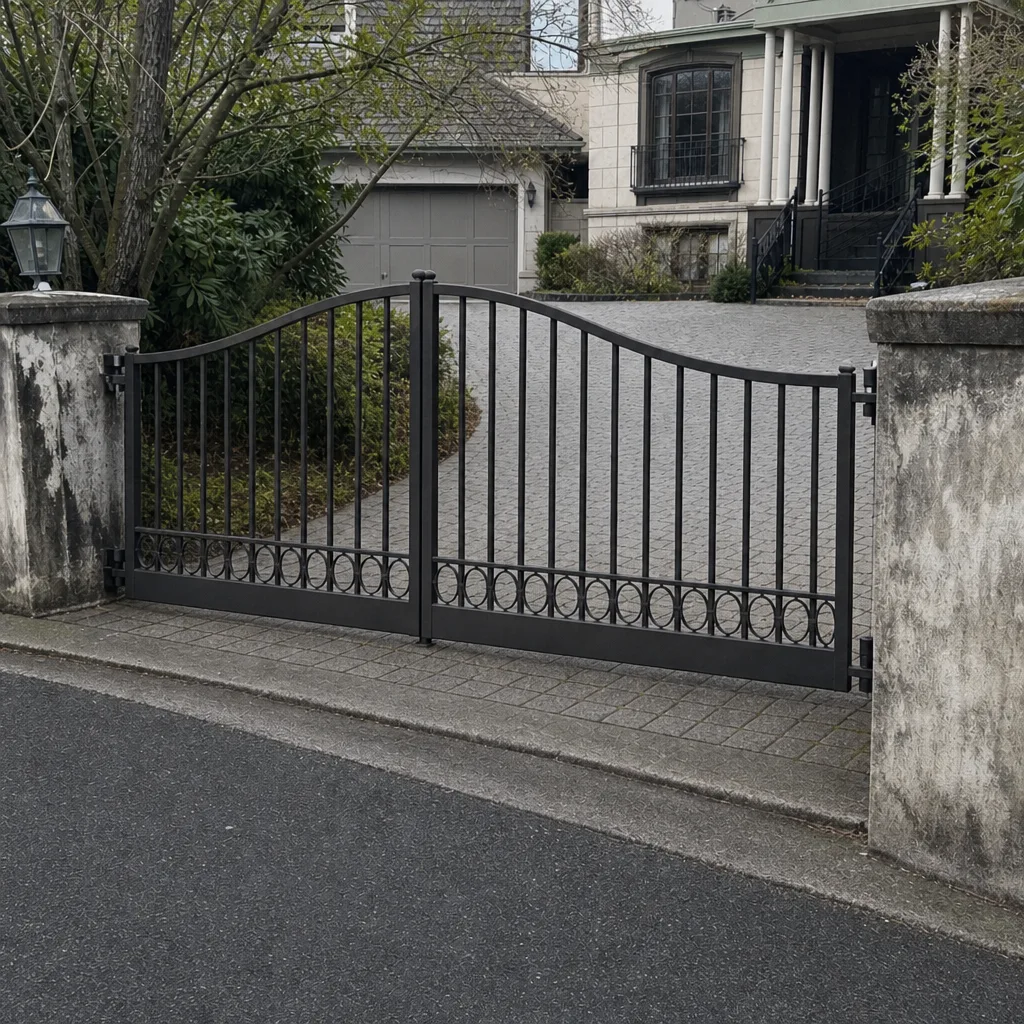
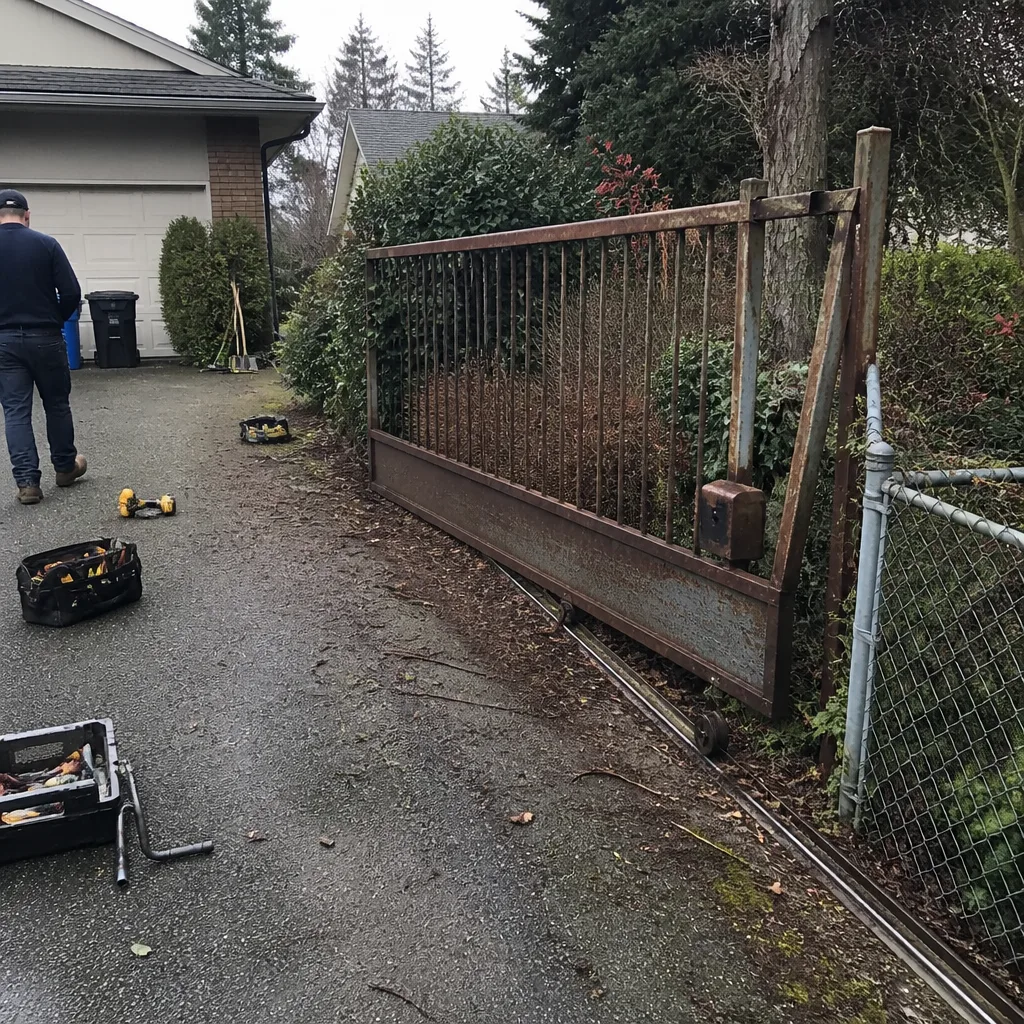
See the difference
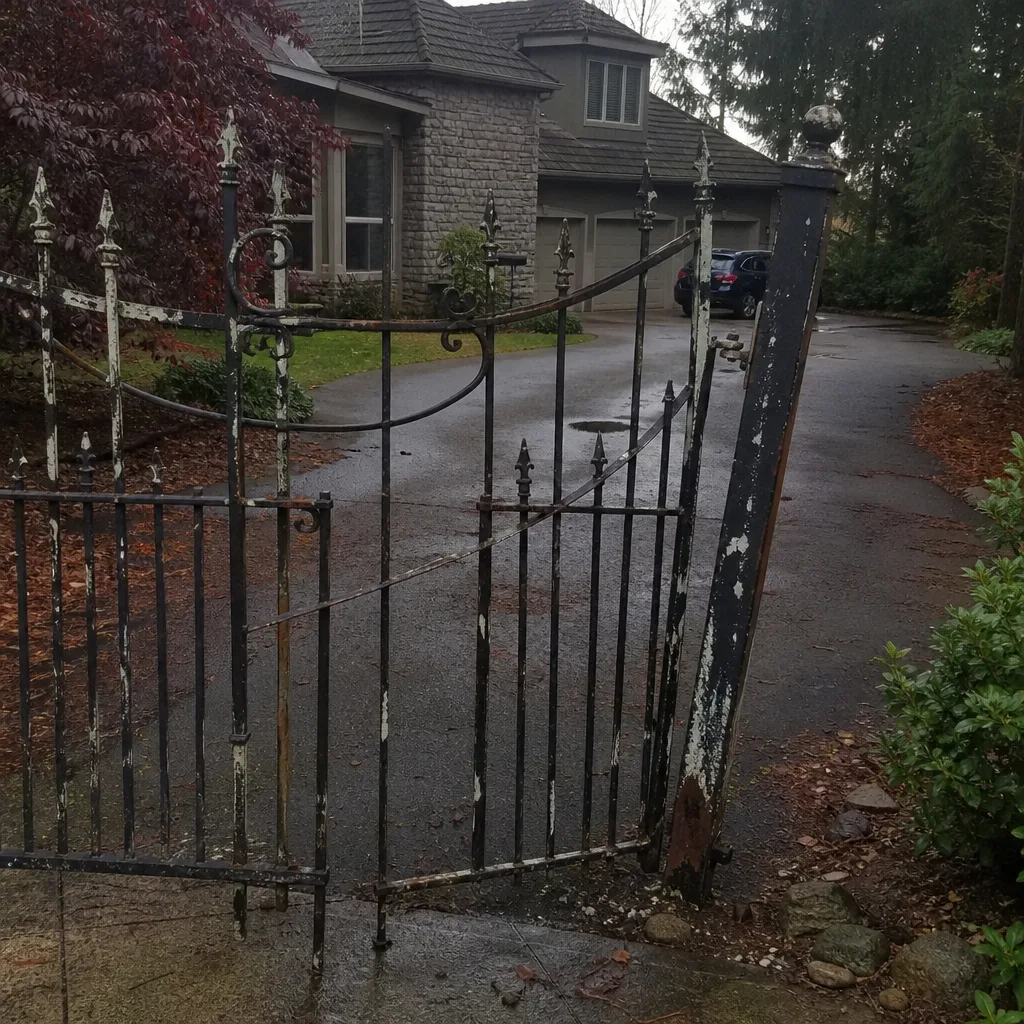 Before
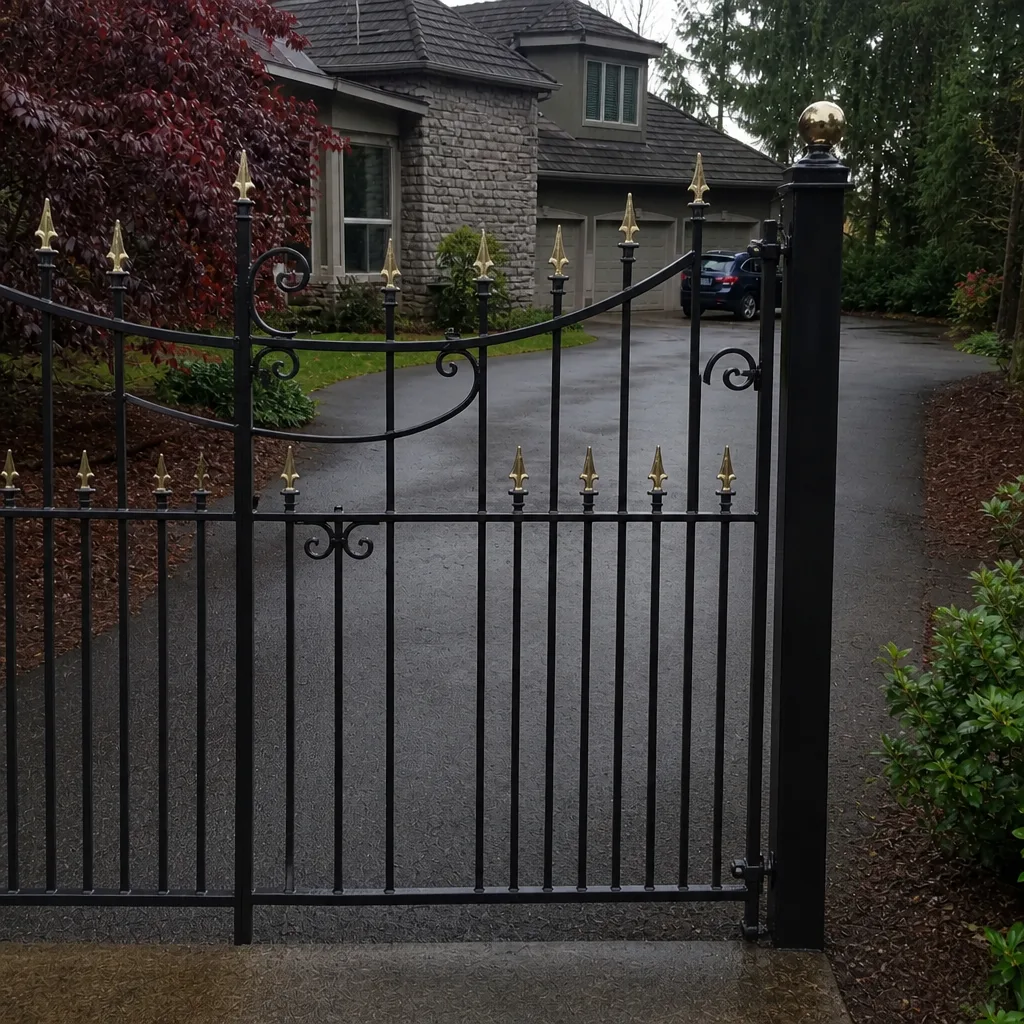 After
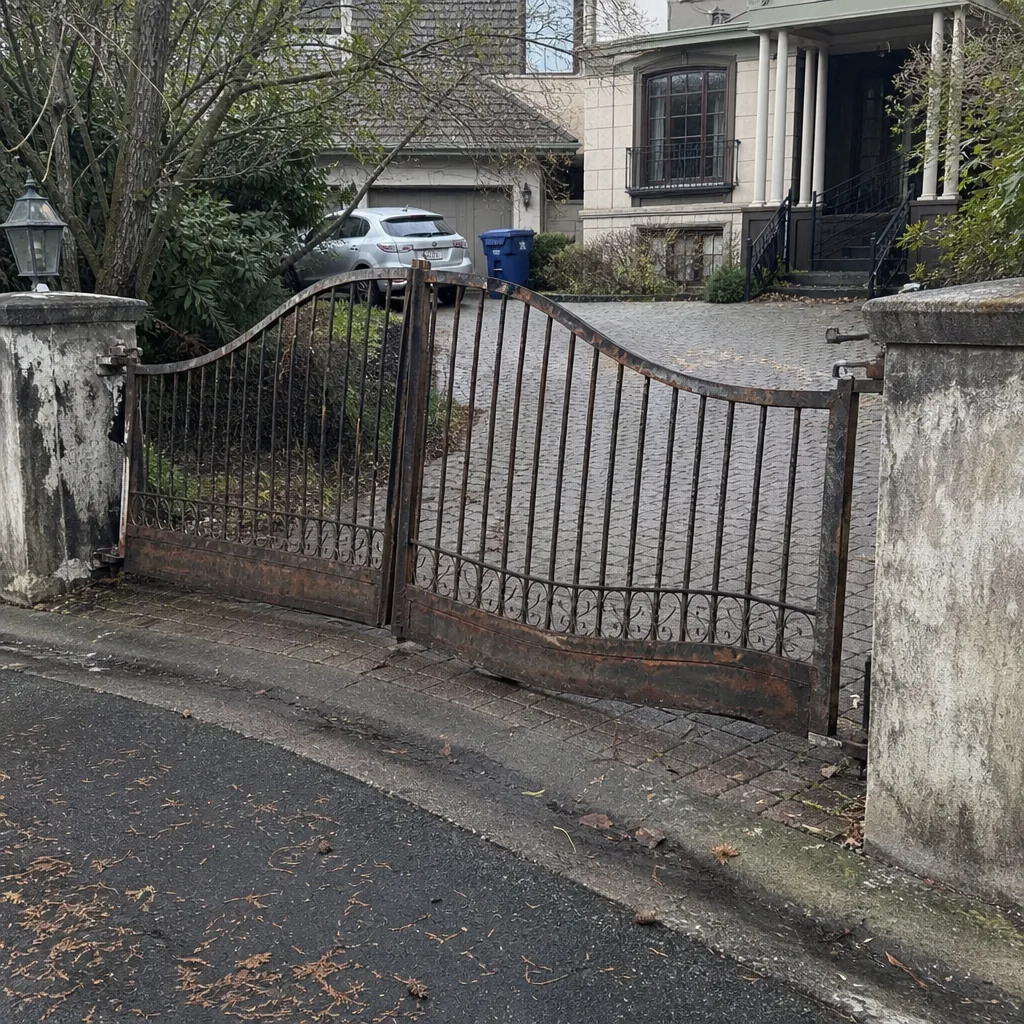 Before
 After
 Before
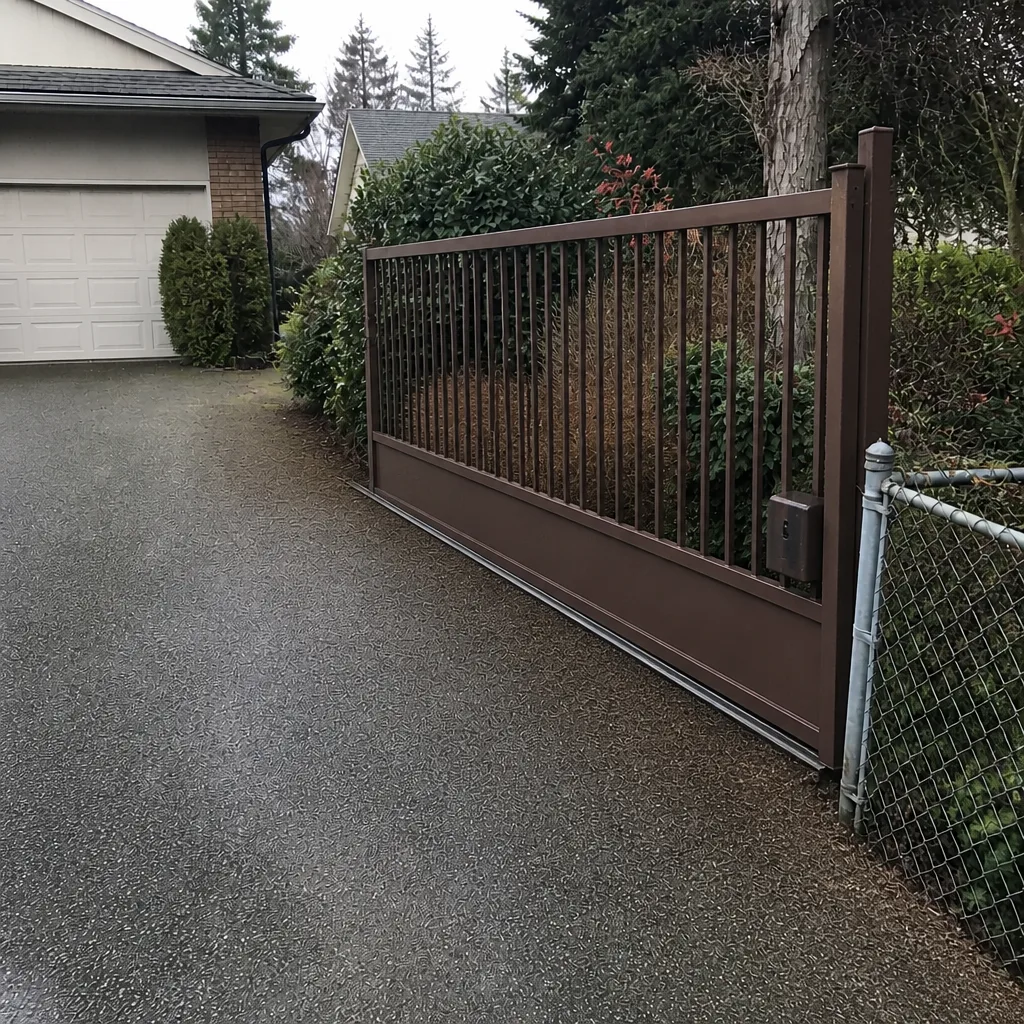 After