
Last updated November 15, 2026
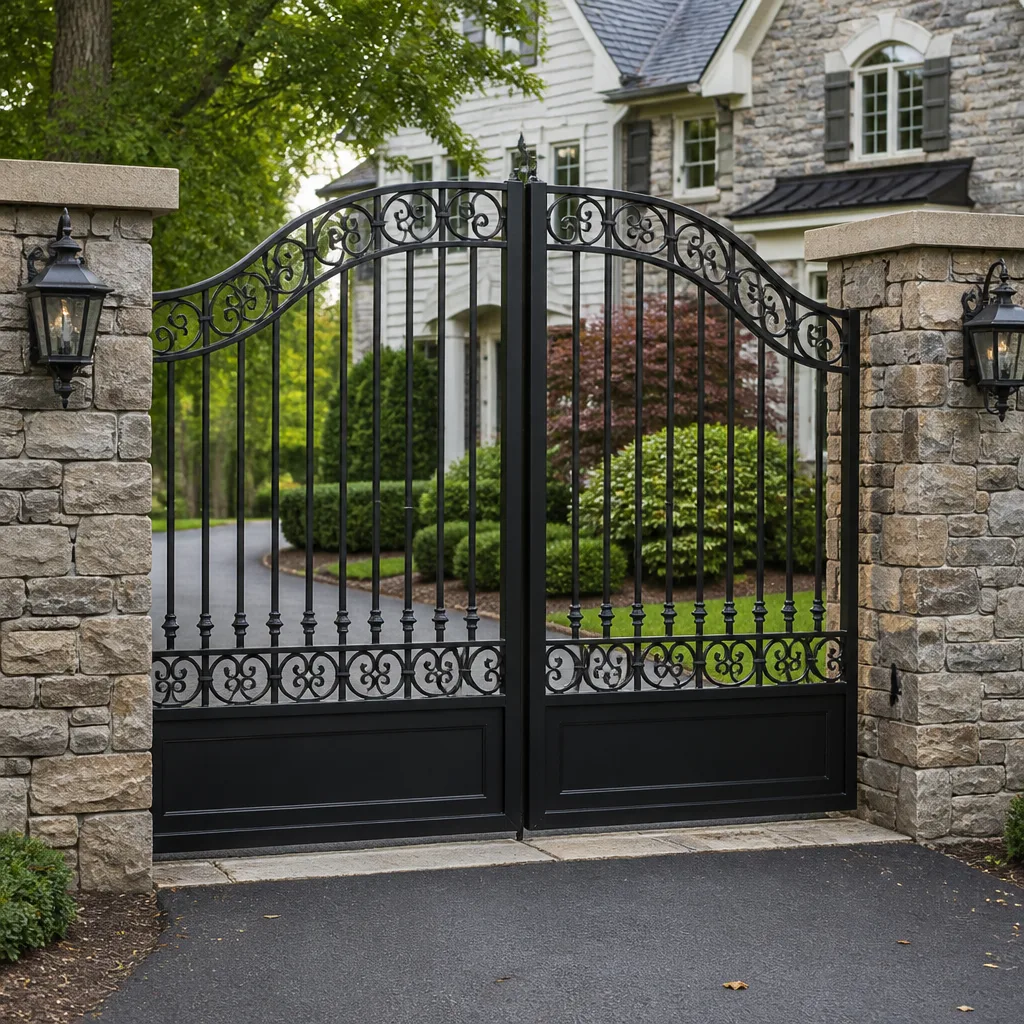 Wrought iron
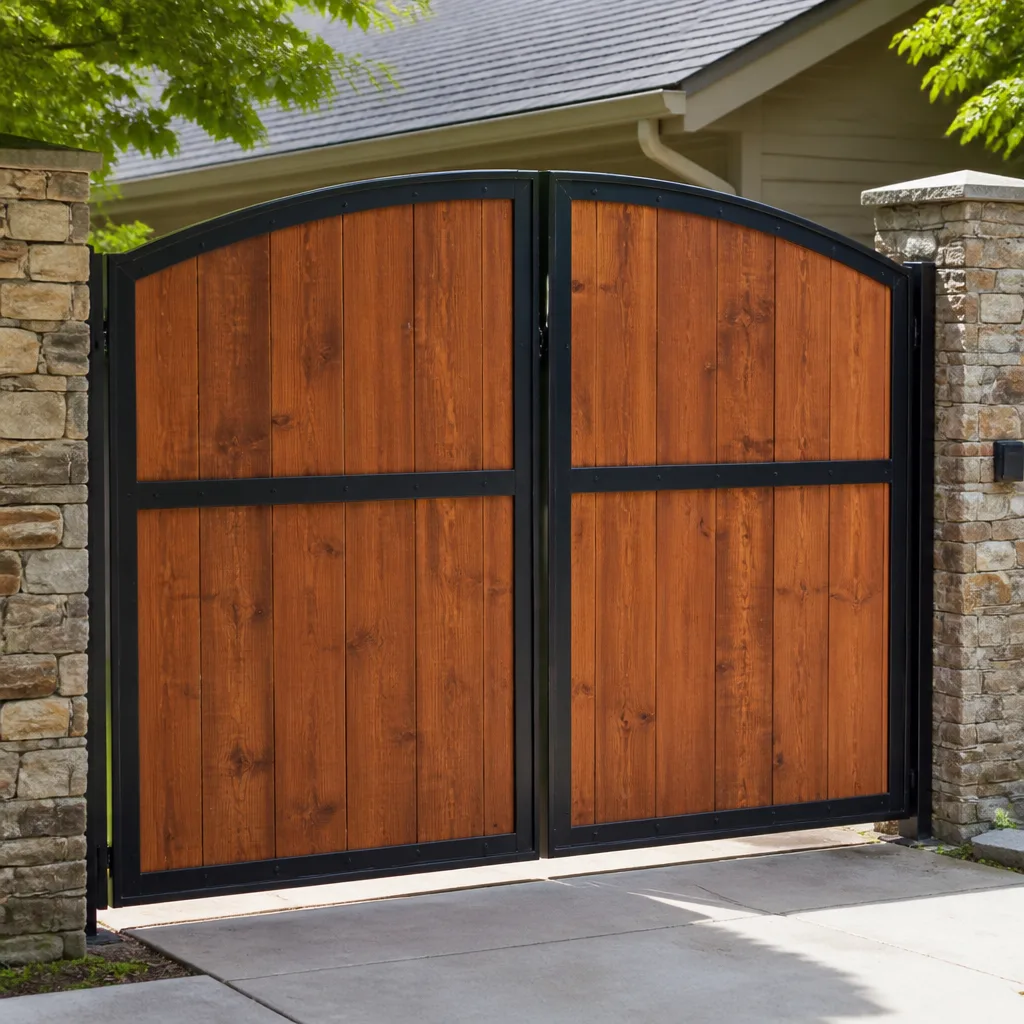 Wood & steel frame
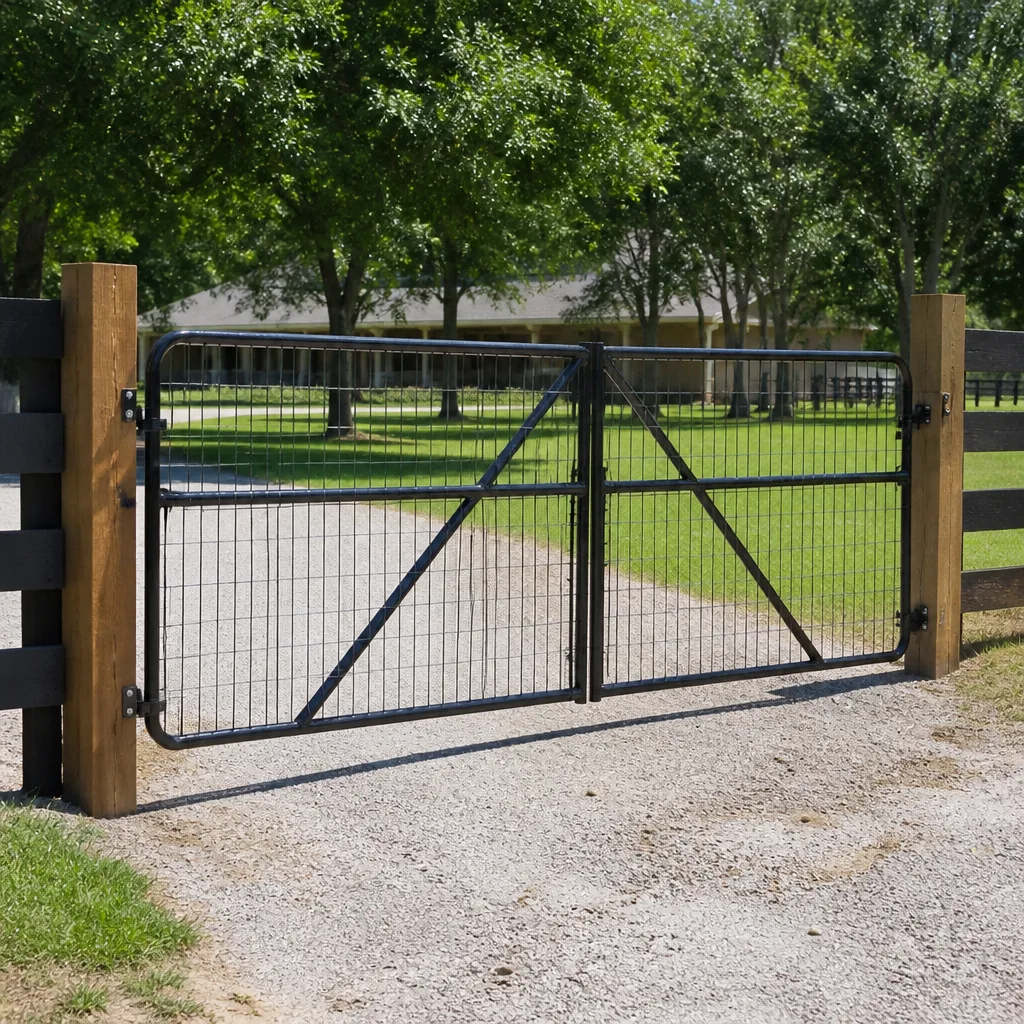 Farm & ranch
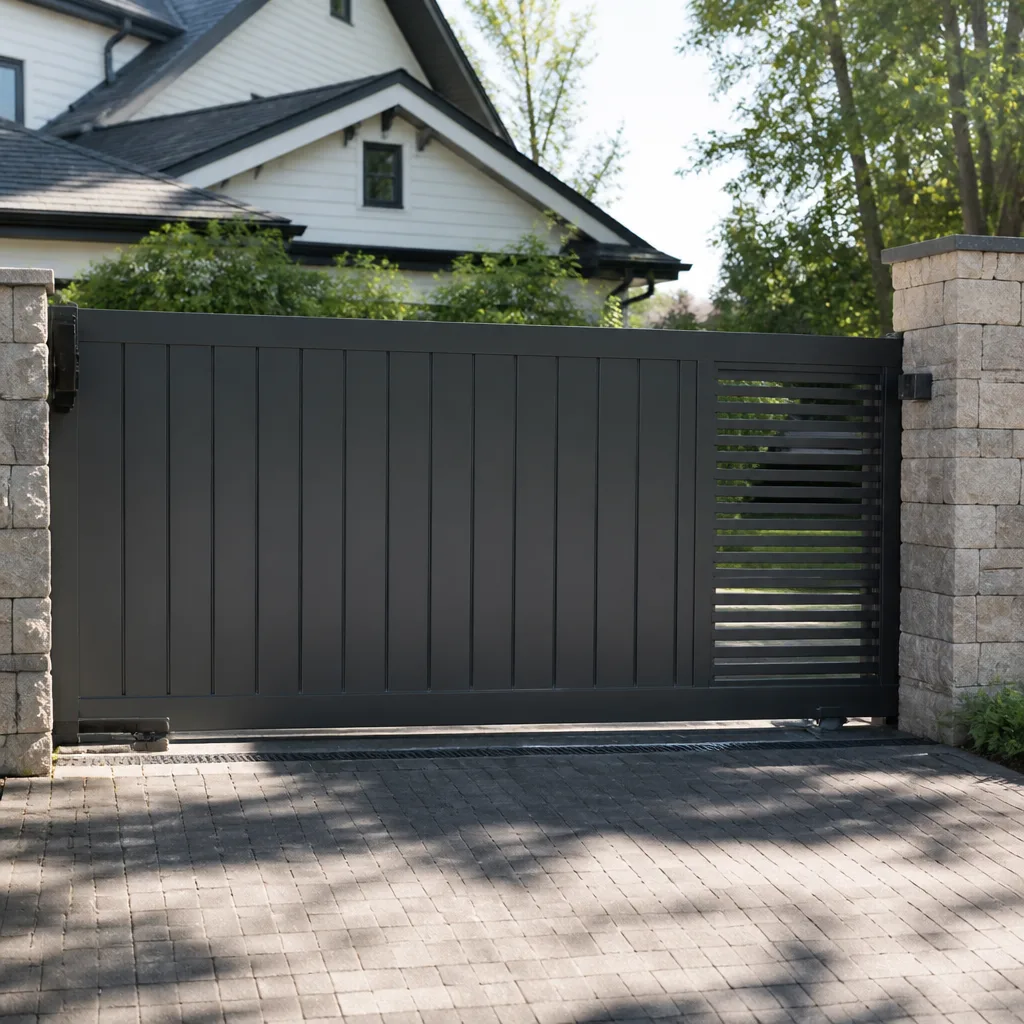 Sliding driveway gates
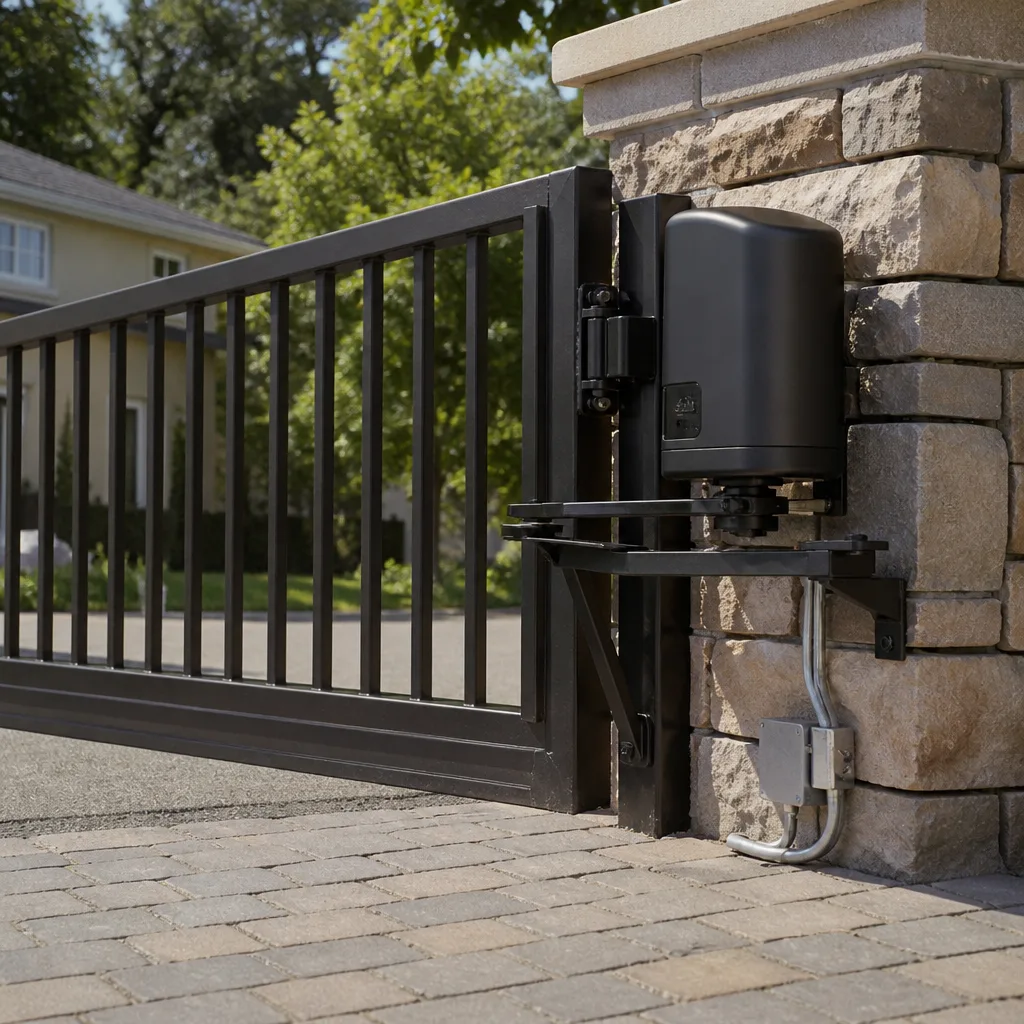 LiftMaster operators
Free on-site gate assessment - hinges, posts, and your LiftMaster or Nice gate operator checked before anything is quoted
The assessment is free and the quote is the invoice.
Get your free estimateGate Repair Emergency Preparedness Guide for Bellevue Homes
The call we take most often after a windstorm in Bellevue isn’t about a cracked post or a bent panel. It’s about a gate stuck wide open because someone finally tried the manual release and found it frozen solid, rusted in place after years of never being touched. The storm didn’t break the gate. Neglect did, and the storm just exposed it.
That’s the uncomfortable truth about gate emergencies: the ones that leave you exposed are almost always the ones you could have prevented with twenty minutes of preparation. This guide covers how to release every major residential operator by hand, which systems hold a charge when the grid drops, what to do in the first ten minutes after a gate fails open, and how to tell a real gate technician from a locksmith who’ll make things worse. If you own or manage a gate in Bellevue, read this before you need it.
Quick Answer
A gate emergency is a security event, and the fastest way through it is preparation done in advance. Test your manual release yearly, confirm whether your operator has battery backup (or add a module if it doesn’t), and know what to do in the first ten minutes if the gate fails open. If you’re already in the middle of a failure, get a gate specialist on-site rather than a generalist guessing at your control board. Bellevue Gate Repair handles both the mechanical structure and the electrical side in a single visit, and estimates are free.
Styles & brands we work with
- Wrought iron
- Wood & steel frame
- Farm & ranch
- Sliding driveway gates
- LiftMaster operators
Table of Contents
- How Do You Manually Release a Stuck Gate Operator?
- Do Automated Gates Have Battery Backup, and How Long Does It Last?
- What Should You Do First If Your Gate Is Stuck Open?
- Bellevue Scenarios: HOAs, Steep Lots, and Shared Power
- What Happens to Your Gate During a Power Outage?
- How Do You Vet an Emergency Gate Technician in Bellevue?
- What Should You Test on Your Gate Every Year?
How Do You Manually Release a Stuck Gate Operator?
Every residential gate operator has a manual release, and every one of them is designed to work without power. The mechanism varies by brand, but the principle is the same: you’re disengaging the motor from the gate so the arm or carriage can move freely. The problem is that releases are rarely exercised, and a release that hasn’t moved in two years may not move when you need it. We work on LiftMaster, FAAC, Elite, Viking, Mighty Mule, and four other major brands regularly, and the release procedure differs enough between them that guessing is a bad idea.
Here’s how to find and test the release on the most common residential operator types in Bellevue:
- LiftMaster swing and slide operators: Look for a release key or lever on the operator housing. Most residential models use a keyed release that requires a small key, then a lever pull or turn. If the key cylinder is stiff, don’t force it – that’s the failure point we see most.
- Elite (screw-drive and slide): Usually a manual release lever on the top or side of the housing. Some models have a chain hoist release better suited to commercial gates; on residential units, expect a simple lever.
- Viking: Swing operators typically use a release key plus a lever on the arm. Slide operators often have a top-mounted release handle. Confirm yours before you need it.
- FAAC: Release access varies widely by model. Some have a keyed cover over the release, some use a lever under a hinged lid. Read the label on the housing; FAAC puts the release direction there.
- Mighty Mule (DIY-installed swing and slide): Usually a simple pin or lever on the arm. These releases are the easiest to operate but also the easiest to break if the gate has settled or the arm is under load.
Before you pull any release, disengage the operator’s power at the breaker or the control box disconnect. That’s not optional. An operator that powers back on mid-release can move the gate with your hand in the track. We’ve seen the results, and they aren’t good.
The reason to test the release annually isn’t bureaucracy. It’s that a seized release turns a five-minute hand operation into a cut lock, a damaged housing, and a service call. Test it when you don’t need it, so it works when you do.
Why Annual Release Testing Matters More Than Annual Lubrication
Homeowners often ask about lubrication schedules. The release test matters more. A dry hinge will squeak. A seized release will leave your gate wide open for a day or more. Put the release on your calendar for the same week every year, and exercise it in both directions. If it takes more than light hand pressure, it needs attention before it becomes an emergency.
Do Automated Gates Have Battery Backup, and How Long Does It Last?
Some residential gate operators have native battery backup, some use an add-on module, and some have none at all. If you don’t know which one is on your gate, that’s the first thing to find out. During a Bellevue windstorm that knocks out power to a neighborhood, the difference between “the gate still cycles” and “the gate is dead weight” is whether the operator carries a battery.
Here’s the rough breakdown by operator type. Check your actual model’s label rather than assuming.
- Native battery backup: Many modern LiftMaster residential operators ship with backup capability built into the control board and accept a plug-in battery pack. Some Elite models offer the same. If your operator is from the last decade, this is the most likely setup.
- Add-on backup module: FAAC and Viking operators, depending on model, often require a separate backup module wired into the control box. If your gate has no backup and you want one, this is usually the path.
- No backup: Basic Mighty Mule and similar economy installations frequently have no battery backup at all. Manual release is your only option during an outage, which makes release testing even more important.
Runtime varies by how often the gate cycles, how heavy the gate is, and how old the battery is. A typical residential gate that opens a few times a day might run for a day or two on a fresh battery. A gate in a busy HOA that cycles constantly will drain faster. In practice, treat battery runtime as “enough to cover a short outage” rather than “a week of independence.”
One more thing: batteries age. A backup battery that worked fine three years ago may hold almost nothing now. We check battery health on any electric gate repair visit, and if yours is close to end of life, replacing it is one of the cheapest forms of gate insurance you can buy.
What Should You Do First If Your Gate Is Stuck Open?
If your gate is stuck in the open position, your property is exposed. The first priority isn’t fixing the gate – it’s securing the opening while you arrange the repair. Do not force the gate, do not shove it against the operator, and do not try to power it open and closed repeatedly to see if it self-corrects. That last one is a quick way to burn out a motor or snap a control board.
Here’s what works in the first ten minutes:
- Check whether the operator is powered and the safety sensors are clear. A gate stuck open is sometimes a gate that thinks it detected an obstruction and won’t close. Look at the photo eyes on the inside of the gate posts. If either is knocked out of alignment, dirty, or has a bug nest in it, that alone can hold the gate open.
- Try the manual release. If power is off or the operator has failed, release the arm and move the gate by hand to the closed position. If the release is seized, skip to step four.
- Physically block the opening. For a driveway gate, pulling a vehicle across the opening or parking it behind the gap gives you temporary security. For a pedestrian gate, a heavy-duty portable barrier or a chain with a lock is enough to stop casual access.
- Do not lock the gate in a way that puts load on the operator. Chaining the gate to a post is fine. Forcing a latch against a motor-driven arm that later tries to move is not.
- Call a gate specialist and describe what you’re seeing. “The gate stopped mid-travel and the operator light is blinking” is a diagnosable report. “The gate is broken” isn’t. The more specific you are, the faster the fix.
If the gate fails on a Saturday, we’re closed that day, but the phone line is still answered: call (855) 683-9015 and we’ll book you into the next opening, Sunday through Friday. Meanwhile, the physical barrier approach above will hold.
Bellevue Scenarios: HOAs, Steep Lots, and Shared Power
Not every gate emergency in Bellevue plays out the same way. The city’s housing stock ranges from gated communities in the surrounding hills to steep-lot homes where the driveway is more cliff than concrete, and both present their own problems when a gate fails.
Gated Communities Where the HOA Controls Master Power
If you live behind an HOA-controlled gate, the operator’s power may run through a shared meter or a control box the HOA manages. When the gate fails, you may not be able to reset the breaker yourself. That means your emergency plan needs to include the HOA’s contact for gate issues before the gate fails. Ask now, not at midnight. A written contact – name, number, what hours they respond – belongs in your gate folder. If the HOA can’t be reached, our team can still diagnose the gate itself; getting the power restored to it is a separate conversation.
Steep Lots Where Manual Operation Is Physically Difficult
Bellevue has plenty of driveways cut into hillsides where the gate sits on a grade and the gate panel is heavy. Manually moving a 300-pound gate up a slope by hand isn’t realistic for most homeowners. If your lot is steep, your preparation should include a discussion with a technician about a backup power solution before you need one. Battery backup may be the only practical way to keep a steep-lot gate operational during an outage, and upgrades to the operator’s backup capability are worth pricing out.
Shared Driveways and Multi-Family Gate Systems
Bellevue has more shared driveways and small multi-family gate installations than most homeowners realize. In those setups, the operator serves several households, and the person who reports a failure is often not the person who authorizes the repair. Identifying who has authority to call for service – and making sure they know the gate specialist’s number – is part of your emergency plan. A gate that’s down for two families is a bigger problem than a gate that’s down for one.
What Happens to Your Gate During a Power Outage?
When the grid drops, an automated gate without battery backup becomes a manual gate. How quickly you can get to the manual release determines how long your property is exposed. The sequence is the same regardless of brand, but the timing is everything.
- Confirm it’s a grid outage, not a tripped breaker. Check the house lights first. If the house is dark, the gate is dark for the same reason. If the house is fine and the gate is dead, check the operator’s dedicated breaker or the control box fuse.
- Locate your manual release key or lever. If you tested it within the last year, this should take seconds. If you haven’t, this is where most emergencies begin.
- Disengage the operator and move the gate by hand. On a swing gate, one person can usually walk the gate to the closed position and prop it. On a heavy slide gate, you may need a second person or a temporary wheeled support under the leading edge.
- Secure the gate in the closed position. A chain with a padlock through the gate frame and post will hold it. Don’t rely on the gate’s own latch if the operator is disengaged – the latch may be motor-driven on some models.
- Plan for re-engagement when power returns. When power comes back, don’t just pull the release back into place and cycle the gate. Confirm the gate is fully in the correct position first, then re-engage and test one full cycle slowly.
Bellevue’s windstorms and ice events can take a neighborhood offline for a stretch, so a gate with backup power is a real advantage. If your operator supports an add-on module and doesn’t have one, that’s a project worth pricing out now, before the next storm. Automated gate repair is its own specialty, and it’s all we do; when we’re on-site for a battery or backup upgrade, we also verify the release moves freely and the safety sensors read correctly.
How Do You Vet an Emergency Gate Technician in Bellevue?
A general locksmith is not a gate technician. A handyman is not a gate technician. When your automated gate is down, the quickest way to make it worse is to hand the control board to someone who’s never worked on the specific brand. We’ve been called in behind plenty of “quick fixes” that cost the homeowner more than the original diagnosis would have. Here’s how to tell the difference before you hand over your gate.
- Ask what brands they work on regularly. A dedicated gate technician can name specific systems – LiftMaster, FAAC, BFT, Linear, Viking, Ghost Controls, DoorKing, Elite, Mighty Mule – and describe a typical failure on each. A generalist will say “we handle all major brands” and then can’t tell you the release location on any of them.
- Ask whether they diagnose the operator and the gate structure together. A gate that won’t close can be a bent hinge, a sagging post, a sensor out of alignment, a failing control board, or a limit switch. A specialist will look at all of it in one visit. A handyman will fix the symptom.
- Ask how they handle parts for your specific operator. Whether your operator is a LiftMaster or a Mighty Mule, a real gate specialist knows the system and can source the part. If they say “we’ll figure it out,” figure it out somewhere else.
- Ask what the written estimate includes before any work starts. The price should be quoted and agreed before a screwdriver comes out. If the estimate is verbal or vague, walk.
- Confirm they work on the electrical and mechanical side. The lowest bid is often the tech who can fix the hinge but won’t touch the control board. A gate repair specialist handles both.
A legitimate gate technician in Bellevue will also tell you, without being asked, what to do about temporary security while you wait. And they won’t promise you a fix that depends on parts you don’t have. For a broader look at our service area and what we take on, see Bellevue and the general gate repair overview.
What Should You Test on Your Gate Every Year?
An annual test takes about twenty minutes and is the single best defense against a gate emergency. This is what we recommend for any residential or small commercial gate in Bellevue:
- Test the manual release. Key or lever in, disengage, move the gate by hand, re-engage. If any step takes more than light hand pressure, get it looked at.
- Check the battery backup. If your operator has backup, note the manufacture date on the battery. If it’s more than a few years old, test it by killing power at the breaker and cycling the gate. If it doesn’t move, the battery is done.
- Walk the full travel of the gate by hand. Any resistance, binding, or grinding sound in a hinge, roller, or track is a mechanical problem that’ll eventually kill the operator.
- Inspect the safety sensors. Clean the lenses, confirm alignment, and check that the gate reverses when the beam is broken. A sensor that’s out of alignment will hold the gate open, which is the failure mode most likely to leave you exposed.
- Check the gate posts and footing. A post that’s moved will eventually throw off the operator, break a hinge, or cause the gate to bind. Bellevue’s wet winters and clay soil can shift a post that wasn’t set to proper footing depth.
- Look for anything the gate could foul. Summer growth, a leaning fence, a vehicle parked too close to the swing path – anything that touches the gate is a future emergency.
Our technicians have up to experience on residential, multi-family, and commercial gate systems, and they diagnose both the mechanical side and the automation side in a single visit. If a year has passed since your gate was last looked at, this is the season to get it done.
Common Mistakes to Avoid
- Never testing the manual release until you need it. This is the number one cause of extended gate exposure in Bellevue. A release that’s never been exercised will seize, and then you’re cutting locks or waiting on a technician while the gate sits open.
- Cycling a stuck gate by repeatedly pressing the remote. Every cycle drives current through the operator. If there’s a mechanical bind, you’re turning a $200 hinge repair into a control board replacement.
- Calling a locksmith for an automated gate. A locksmith is trained on locks, not control boards or limit switches. Handing off a LiftMaster or FAAC operator to someone reading the manual on your time usually costs more than the original repair.
- Assuming battery backup is working because the light is on. The operator light runs on wall power. The battery is a separate component with a separate lifespan. Test it under load, not by looking at it.
- Chaining a gate to a post while the operator is still engaged. If the operator engages with the chain holding the gate, you’ll strip the gear or snap the release arm. Disengage the operator before you lock the gate down.
- Ignoring a post that has tilted or settled. A post that’s moved off plumb will throw off the gate’s travel and eventually cause a hinge or operator failure. Bellevue’s wet winters accelerate this, so a post that was fine last spring may not be fine this one.
- Waiting until the HOA sends a notice to get the gate fixed. A gate that’s failed in shared-driveway or multi-family setups affects everyone behind it. Reporting it early avoids a second, more expensive repair.
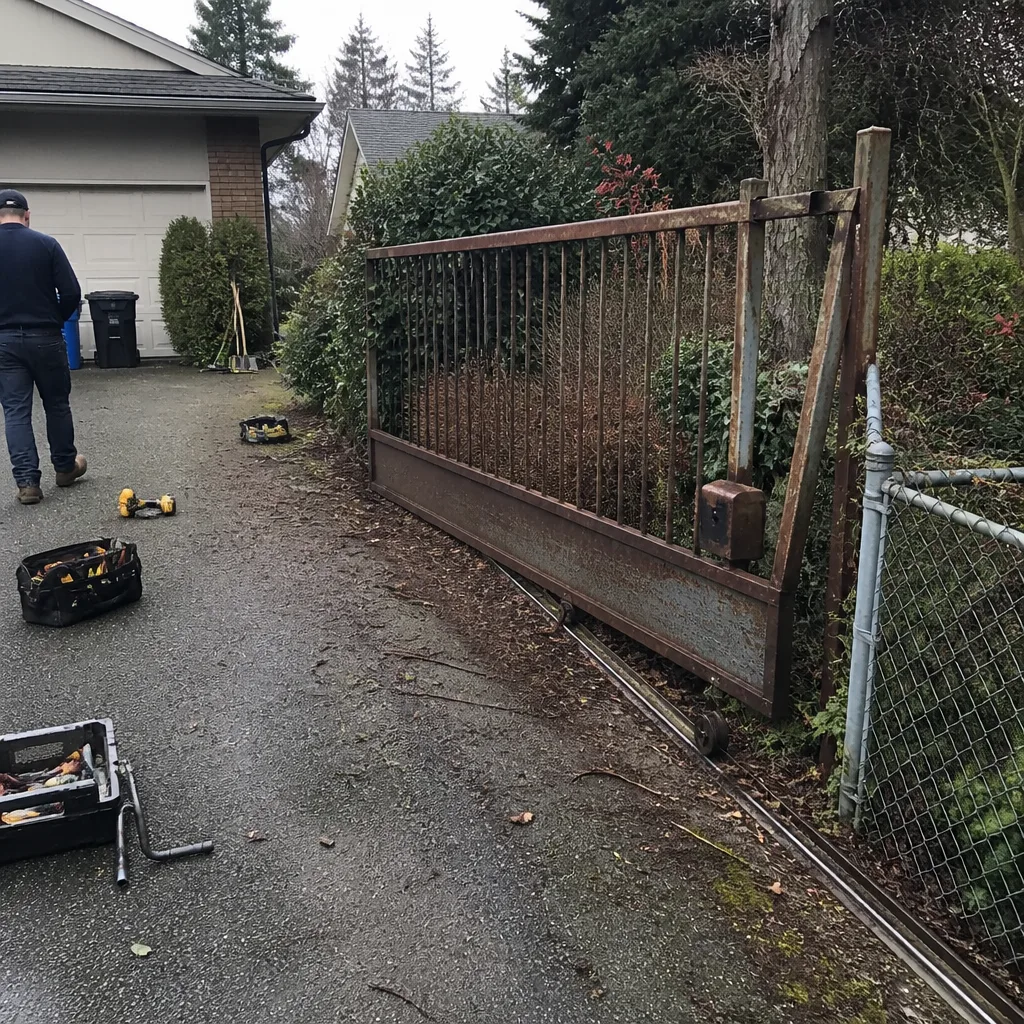
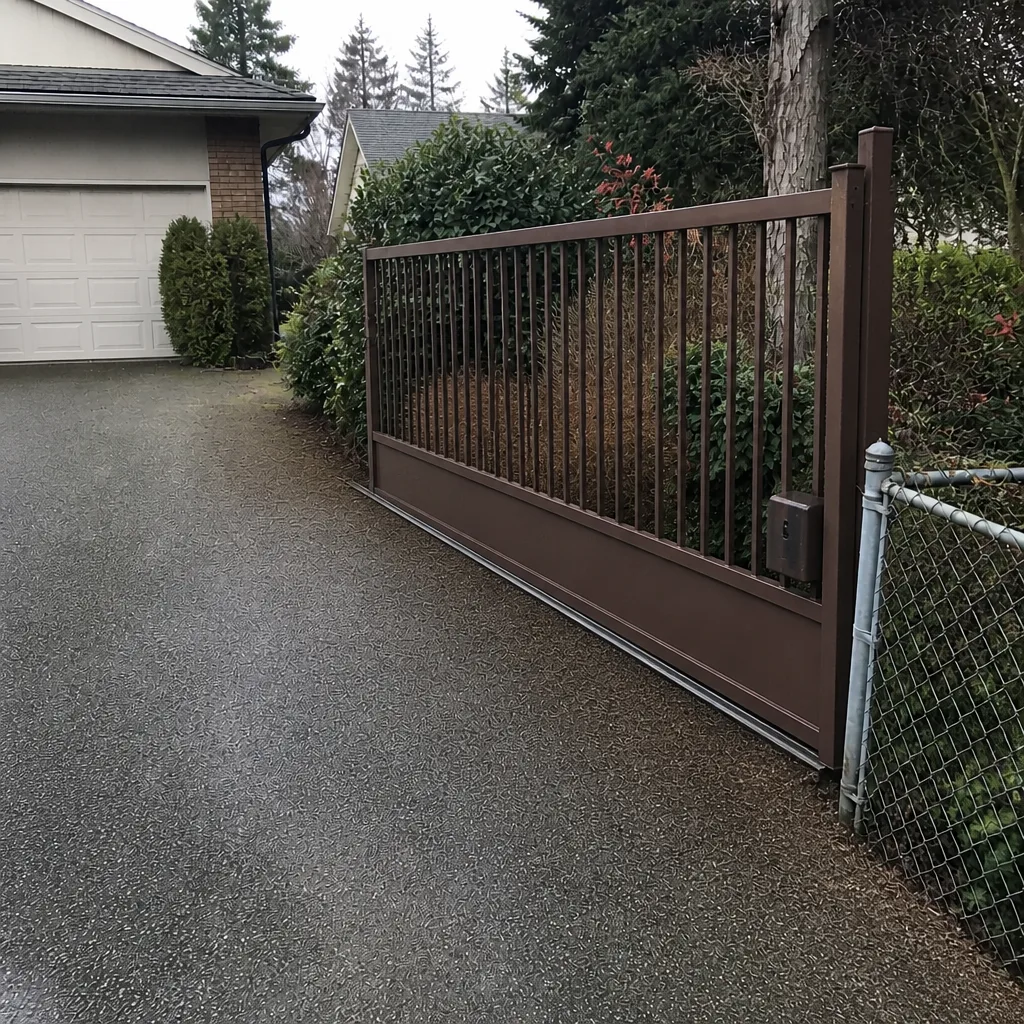
See the difference
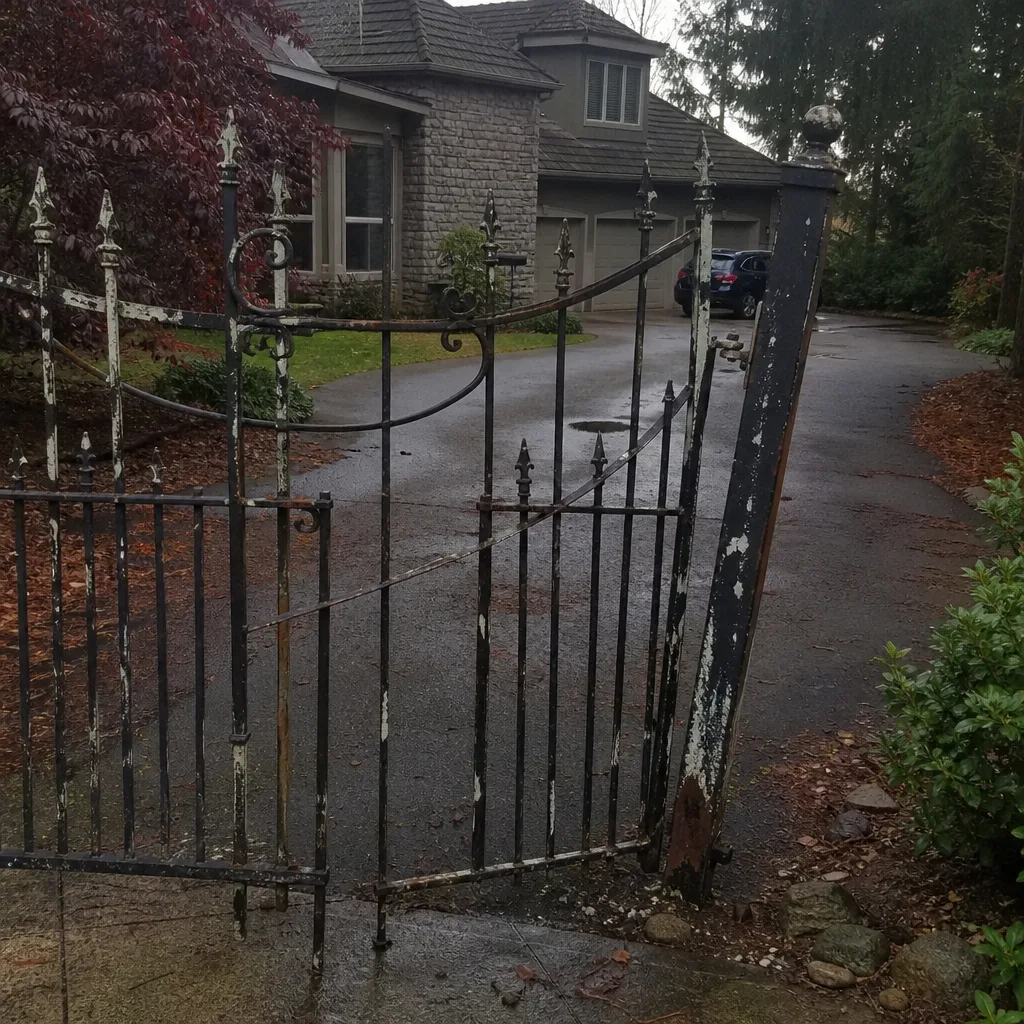 Before
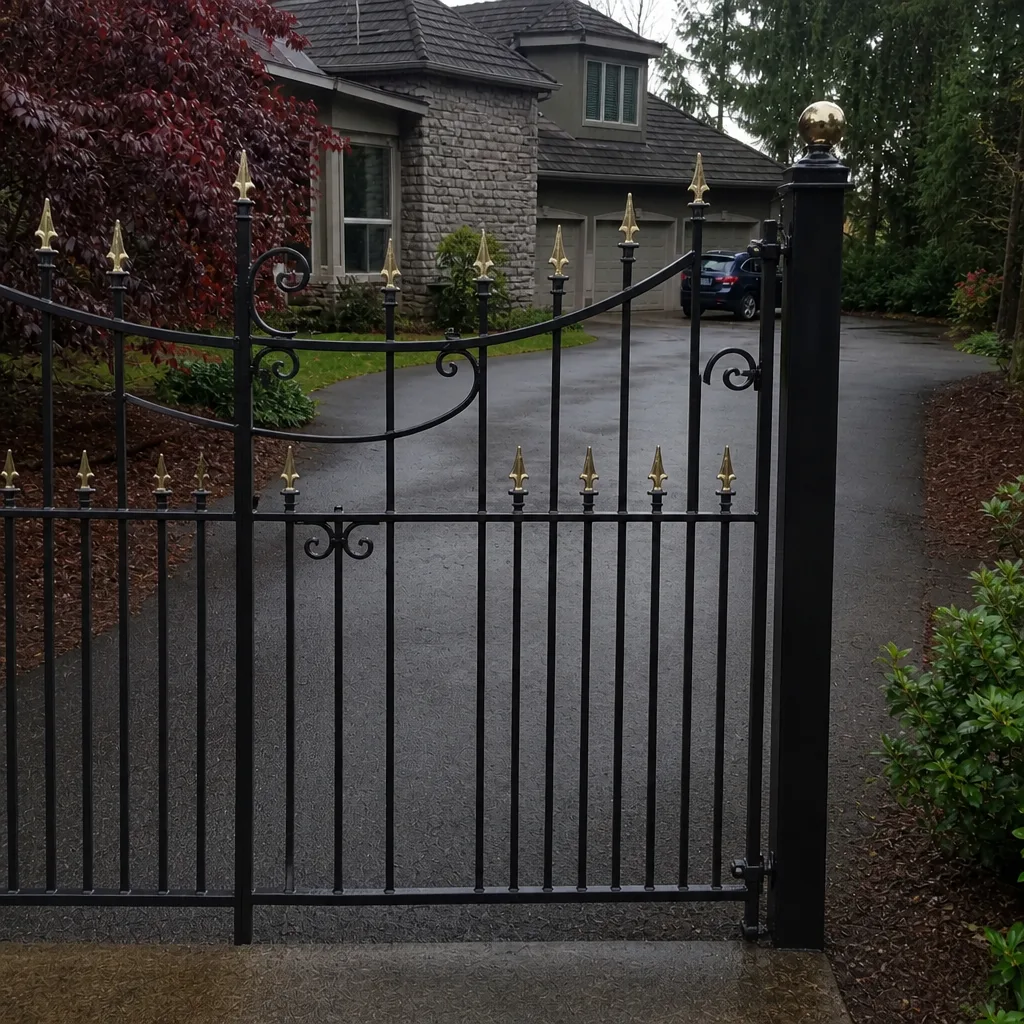 After
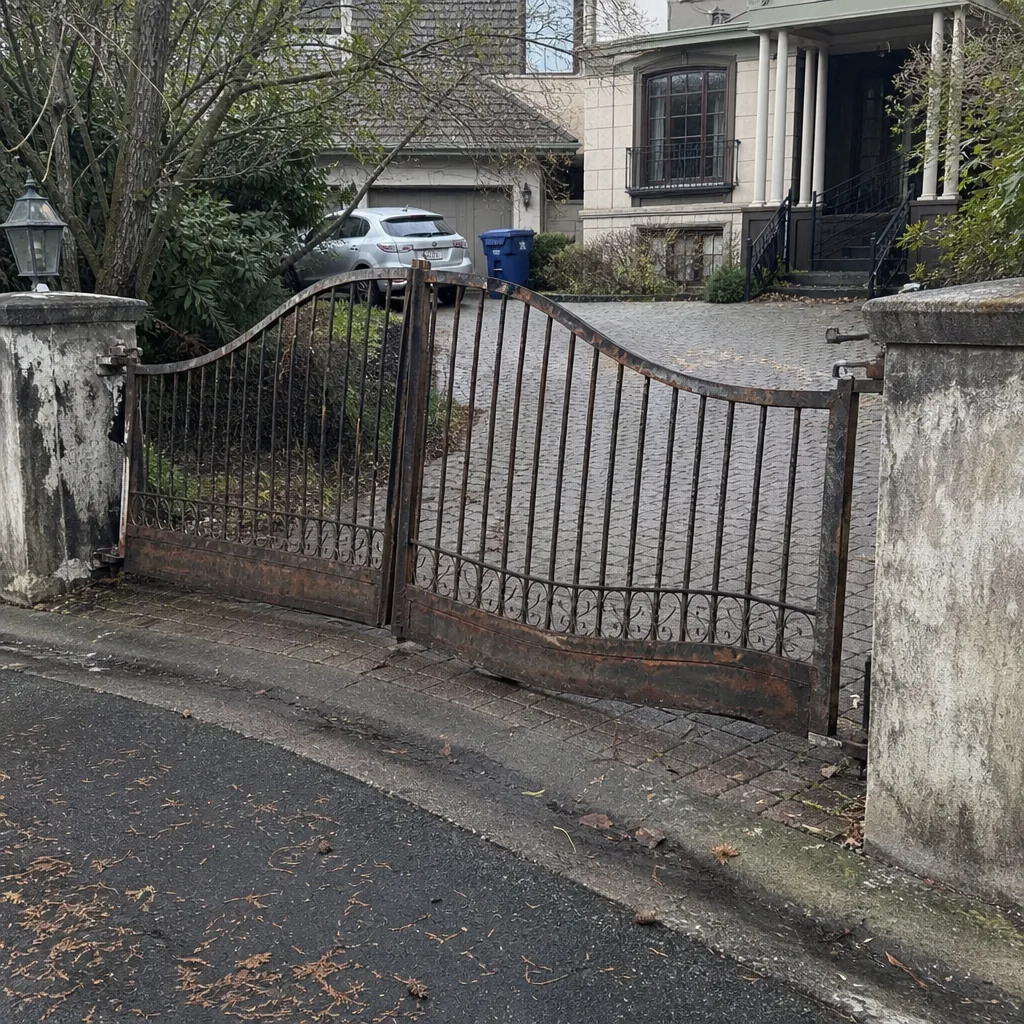 Before
 After
 Before
 After
When to Call a Professional
Call a gate specialist when the manual release won’t move, when the operator has failed and the gate is stuck open, when the control board shows a fault you can’t clear, when the gate binds or grinds partway through its travel, or when the safety sensors won’t stay aligned. Also call if your gate post has tilted, if the gate has sagged off its hinges, or if you’re not sure whether your operator has battery backup and want an answer before the next storm. These are problems a gate technician can diagnose in one visit; a general handyman usually can’t. Bellevue Gate Repair offers free estimates in Bellevue – call (855) 683-9015 and we’ll get a specialist scheduled.
Frequently Asked Questions
Yes, every residential gate operator has a manual release designed to work without power. The release location varies by brand – keyed lever on LiftMaster, top-mounted handle on some Elite models, keyed cover on FAAC – so find yours before you need it. If the release hasn’t been used in years, it may be seized, which is why annual testing matters. Call (855) 683-9015 for a free estimate if your release won’t move.
Runtime depends on the operator, the battery age, and how often the gate cycles. A typical residential gate with a fresh battery might run a day or two during a short outage; a busy shared gate will drain faster. Treat battery backup as short-term coverage, not a week of independence. If you’re not sure your battery is healthy, call (855) 683-9015 – we check battery condition on every electric gate repair visit, and estimates are free.
Disengage the operator if you can, move the gate by hand to the closed position, and chain it to a post. If you can’t move the gate, pull a vehicle across the opening or set a portable barrier. Don’t force the operator. Then call (855) 683-9015. We answer 24/7, and a call outside dispatch hours is booked into the next opening, Sunday through Friday, 7am to 7pm.
No. A locksmith handles locks, not gate operators or control boards. Automated gate repair is a separate specialty, and the diagnostic skills are different. Call a gate technician instead. Bellevue Gate Repair works on LiftMaster, FAAC, BFT, Linear, Viking, Ghost Controls, DoorKing, Elite, and Mighty Mule systems – call (855) 683-9015 and estimates are free.
We do offer same-day service when scheduling allows. Fast dispatch runs from 7am to 7pm, Sunday through Friday. We’re closed Saturdays, but the phone line is still answered 24/7, so a Saturday call gets booked into the next opening. Call (855) 683-9015 to schedule.
Yes. A single visit covers the gate’s mechanical side – hinges, rollers, track, posts, framing – and its electrical and automation side, including control boards, limit switches, safety sensors, loop detectors, and battery backup. That’s the reason to call a gate specialist instead of a generalist: one diagnosis, one estimate, one visit. Call (855) 683-9015 for a free estimate.
The Bottom Line
A gate emergency is a security event, and the homes that handle one fastest are the ones that tested the manual release and confirmed battery backup before the power went out. Test the release yearly, know whether your operator carries a backup battery, secure the opening physically when the gate fails, and call a gate specialist rather than a locksmith or a handyman. In Bellevue, where windstorms and wet winters can take a neighborhood offline and shift an unset post, that preparation is the difference between a five-minute hand operation and a day of exposure. If your gate hasn’t been checked in a year, that’s the project to schedule now.
Bellevue Gate Repair is a dedicated gate specialist – repair, electric gate repair, and installation, on residential, multi-family, and commercial gates across Bellevue. Every technician is trained on the nine major gate and operator brands, and we diagnose the mechanical and electrical sides in one visit. Our technicians have up to experience, and every price is quoted in writing and agreed before any work starts. To schedule a free estimate, call (855) 683-9015. We answer 24/7. Fast dispatch from 7am to 7pm, Sunday through Friday.
Written by the team at Bellevue Gate Repair.