
Last updated November 15, 2026
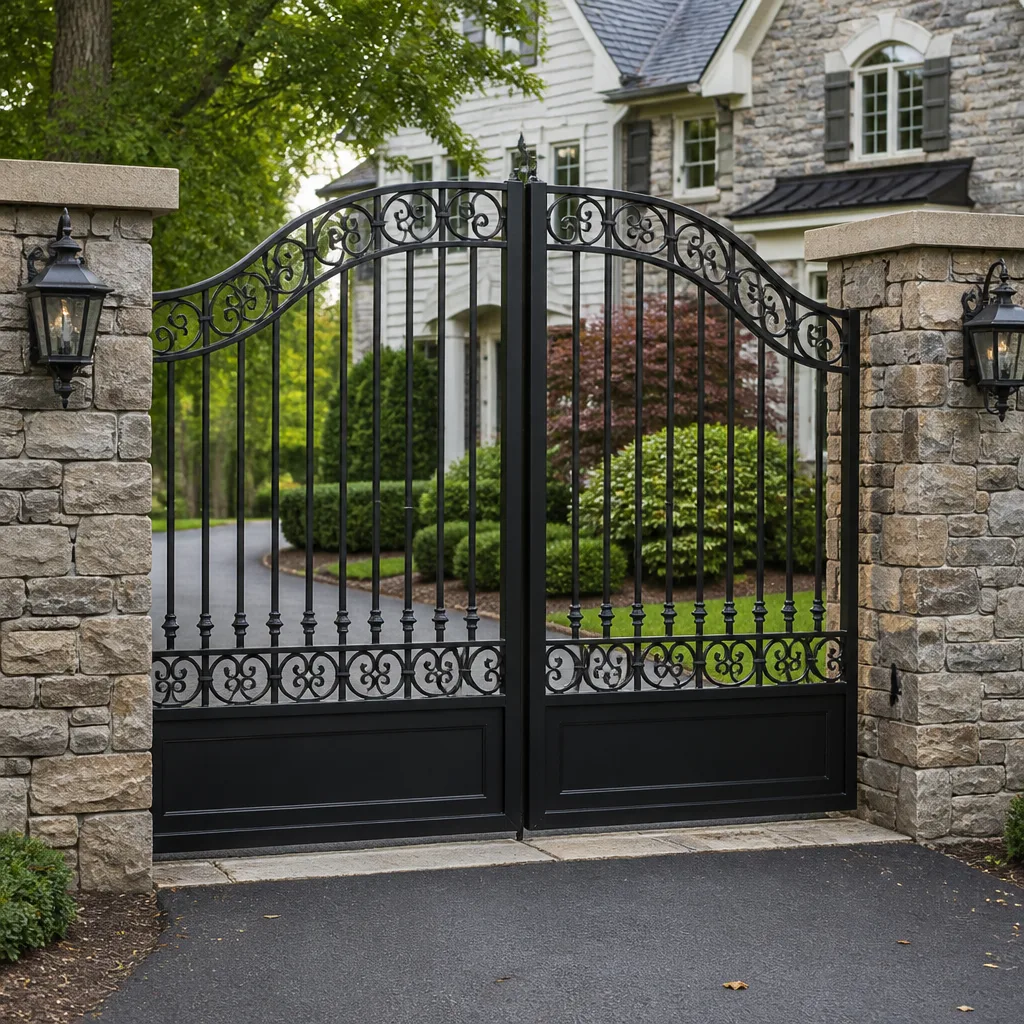 Wrought iron
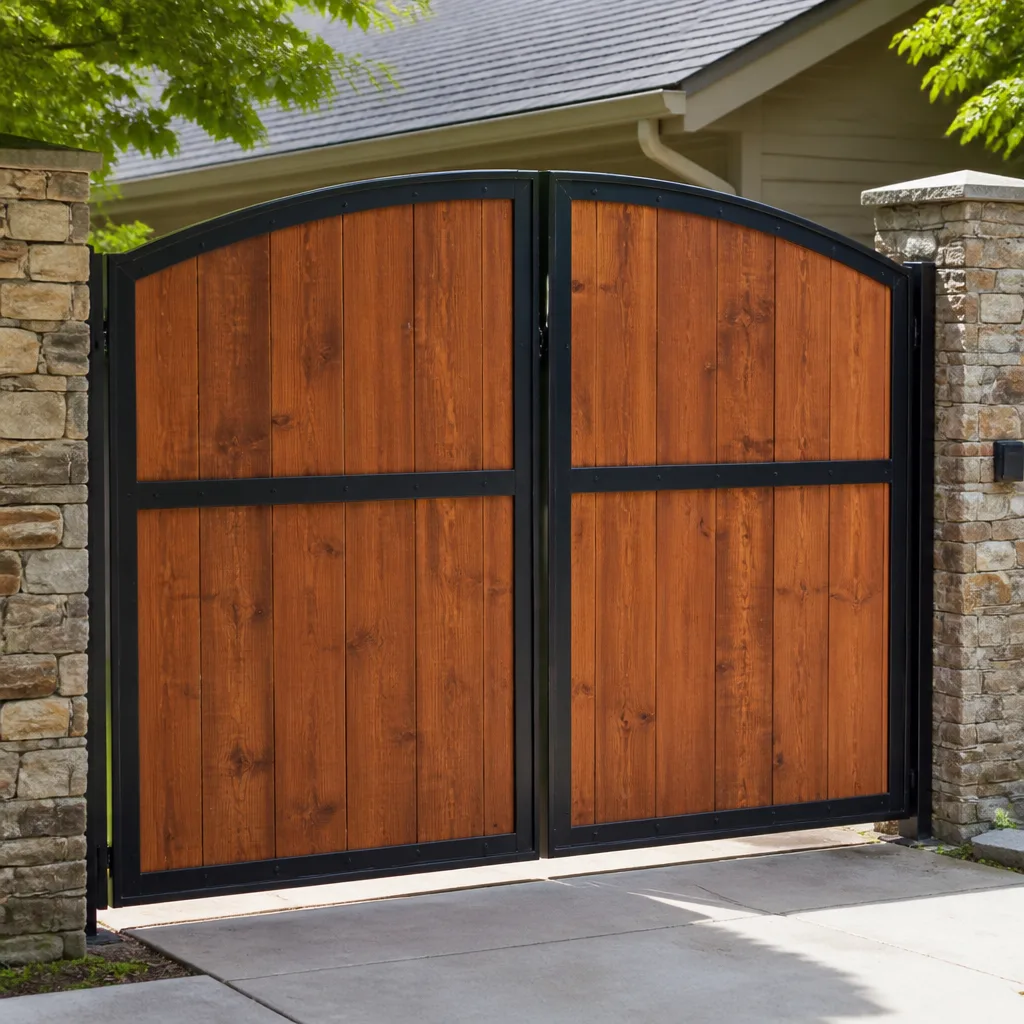 Wood & steel frame
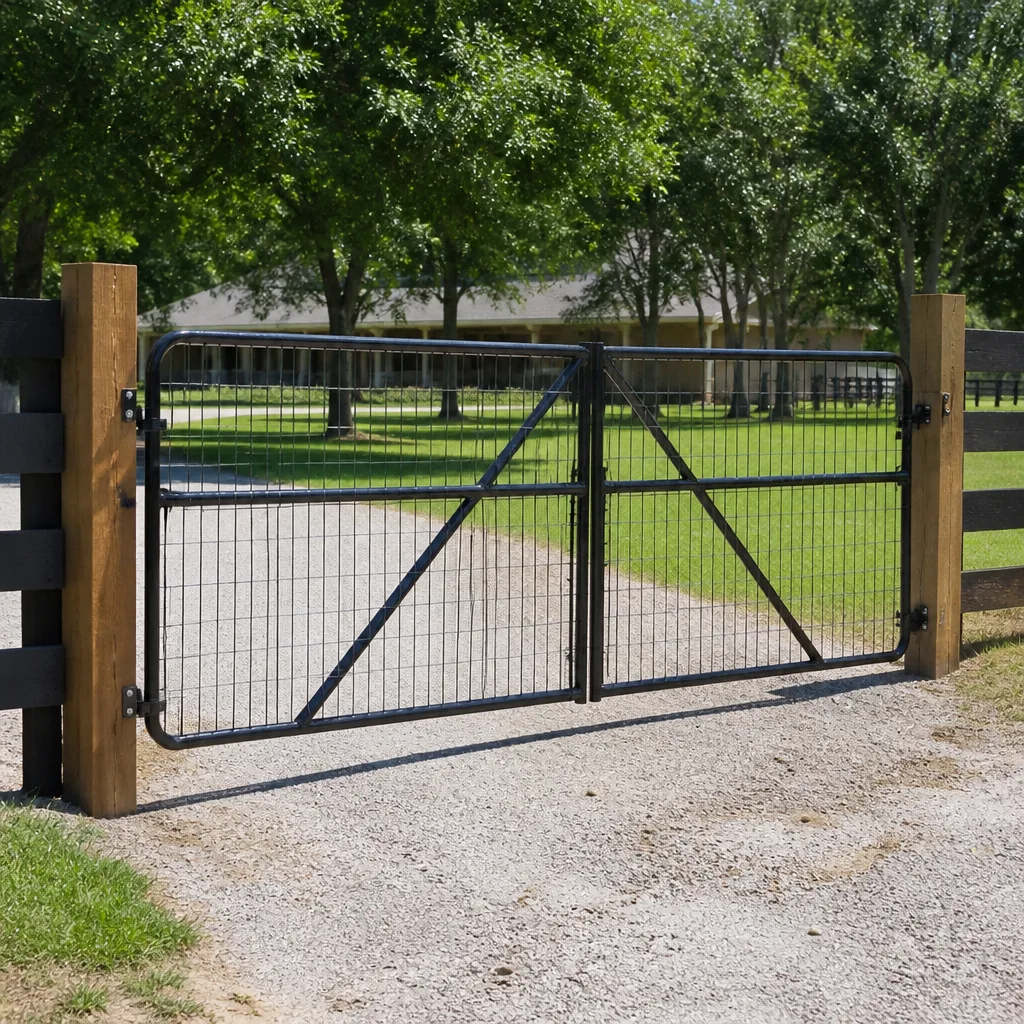 Farm & ranch
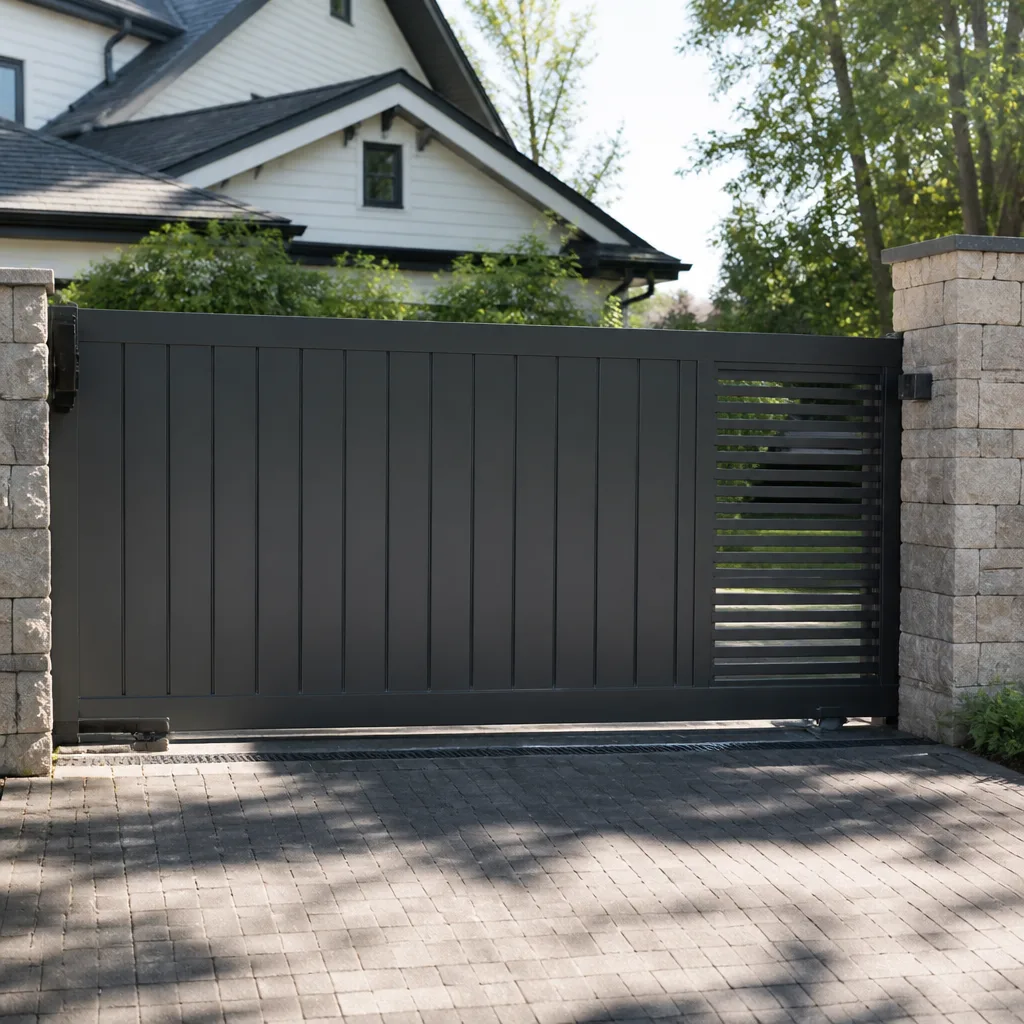 Sliding driveway gates
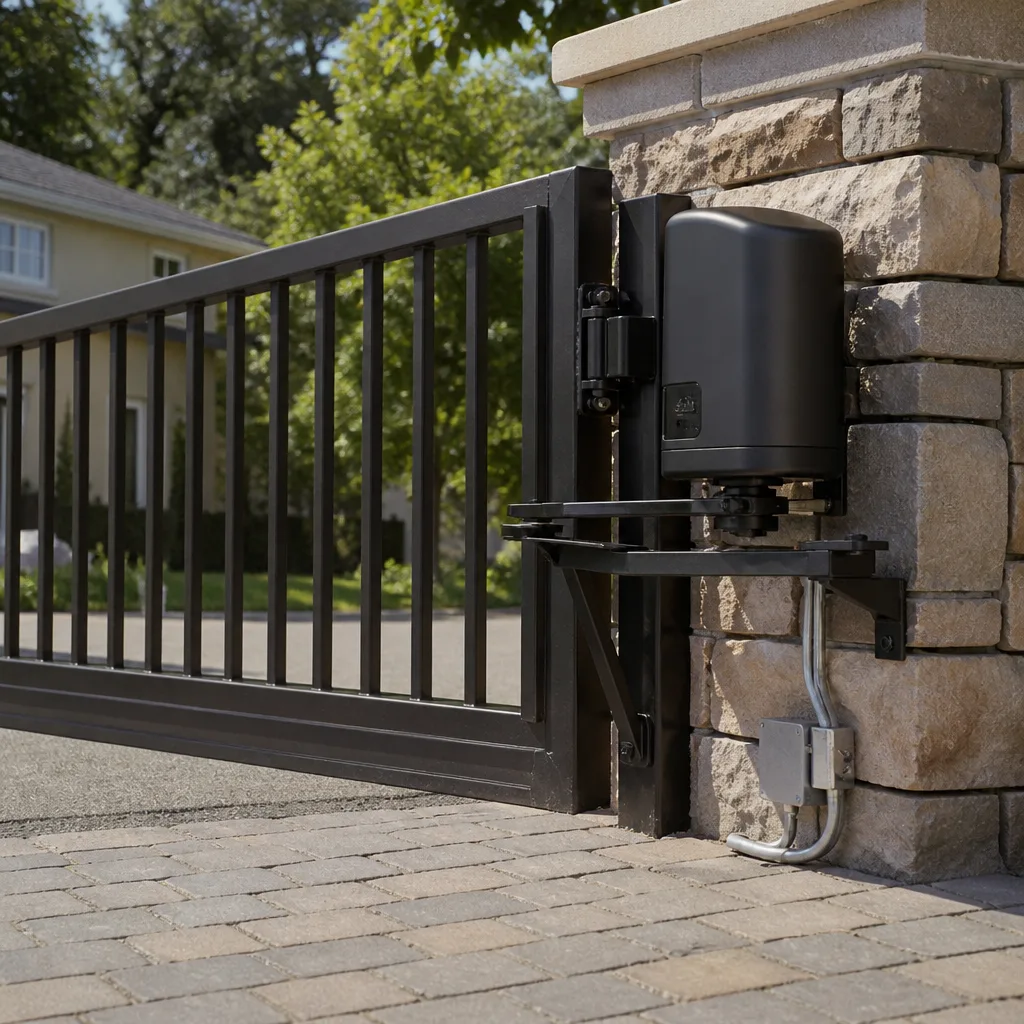 LiftMaster operators
Free on-site gate assessment - hinges, posts, and your LiftMaster or Nice gate operator checked before anything is quoted
The assessment is free and the quote is the invoice.
Get your free estimateChoosing the Right Gate Repair Brand: A Buyer’s Guide for Bellevue
A gate operator with a five-star spec sheet means nothing if the nearest authorized service technician is in Tacoma and the control boards ship from Germany with a three-week lead time. That’s the part of the buying decision most spec comparisons skip. Homeowners and property managers in Bellevue tend to shop gate operators the way they shop appliances – by feature list, by review count, by who has the glossiest brochure. The assumption is that better specs mean a better gate. In practice, the brand that lasts is the one a local technician can actually diagnose, get parts for, and keep running through a wet Northwest winter.
This guide covers how to match an operator brand to your gate type, which brands hold up in Bellevue’s climate, what “authorized dealer” really means versus “we can repair it,” and why switching brands mid-property-life often costs more than it saves. By the end you’ll have a practical shortlist method that puts serviceability ahead of features.
Quick Answer
The best gate operator brand for a Bellevue property is the one that matches your gate’s weight and cycle frequency, has parts and qualified technicians available locally, and integrates cleanly with your existing access control. For most residential swing gates that’s a LiftMaster-class operator; for high-cycle commercial slide gates it’s a heavier-duty system like FAAC or Viking. Features matter, but serviceability decides which brand is genuinely the right one.
Styles & brands we work with
- Wrought iron
- Wood & steel frame
- Farm & ranch
- Sliding driveway gates
- LiftMaster operators
Table of Contents
- Why serviceability should outrank features
- Matching operator brand to gate type
- Brand reliability in Pacific Northwest weather
- “Authorized dealer” versus “can repair”: what the difference means
- The case for brand continuity when replacing an operator
- How to evaluate a gate repair brand: a step-by-step method
- Questions to ask before you commit
- Common mistakes to avoid
Why Serviceability Should Outrank Features
The single most important factor in choosing a gate operator brand isn’t the cycle rating on the box. It’s whether someone can fix the thing when it stops working in February. A gate that’s down blocks driveways, delivery access, and sometimes a whole parking structure. The clock that matters isn’t the spec sheet’s MTBF figure – it’s how long the property sits waiting for a part.
Serviceability breaks into three practical questions, and it helps to score each brand on all three before you decide.
- Local technician familiarity. A regional distributor who stocks and supports a brand means repair techs in the area have seen it before. Obscure brands often get declined outright or diagnosed by trial and error.
- Parts availability. Control boards, limit switches, loop detectors, and safety edges are the common failure points. If those parts have to be ordered from overseas, downtime stretches from days to weeks.
- Diagnostic access. Some brands use proprietary tools or dealer-only software to read fault codes on the operator. Without access, even a competent technician is guessing.
The brands we work on most in the greater Bellevue market – LiftMaster, FAAC, BFT, Linear, Viking, Ghost Controls, DoorKing, Elite, and Mighty Mule – are the ones with real regional support. That’s not a coincidence. A brand earns a spot on a specialist’s roster by being both common enough to encounter regularly and serviceable enough to keep running. If you can’t find a local tech who’s worked on a given brand before, treat that as a warning sign, not a challenge.
That’s also why we lead with diagnosis over replacement. When an unfamiliar operator comes up, our approach is to test the actual components instead of defaulting to a full swap because the system isn’t on a familiar list. Understanding what Bellevue Gate Repair involves in practice starts with that distinction between diagnosing a brand and servicing it.
Matching Operator Brand to Gate Type
Every operator brand has a segment where it belongs, and choosing outside that segment is a leading cause of premature failure. A residential-rated operator on a high-cycle commercial slide gate will burn out its motor and control board well before its rated life. The reverse – an industrial operator on a light driveway gate – is overbuilt and overpriced. Match the operator to the gate, not to a brand reputation.
Here’s how the main segments shake out in our experience:
- Residential swing gates. Light to medium-weight swing operators are dominated by LiftMaster-class systems. They’re designed for home driveway access, are widely supported by local techs, and integrate well with remote and keypad access. For a single-family home in Bellevue, this is usually the right fit.
- Commercial and heavy slide gates. Viking-style slide operators handle heavier panels and higher daily cycle counts, which is what an apartment complex, HOA shared driveway, or commercial entry actually needs.
- High-cycle and high-traffic systems. FAAC-type operators are built for gates that open dozens or hundreds of times a day. They cost more up front and are less common on residential driveways, but on a busy property they outlast a lighter unit.
- Entry-level and DIY-oriented systems. Mighty Mule-class operators sit at the accessible end of the market. They can serve a light residential gate well, but their control boards and battery backup implementations vary more, and the heavy commercial work falls outside their design envelope.
The lesson: a spec sheet comparison across brands only makes sense within a single gate class. Comparing a heavy commercial operator to a light residential one tells you nothing useful. If you’re not sure which class your gate falls into, that’s the first thing an experienced tech will establish. Good gate repair begins with the gate itself – its weight, its travel, and how often it moves.
Brand Reliability in Pacific Northwest Weather
Bellevue’s climate is hard on control electronics. Long stretches of rain, high humidity, and cool temperatures that swing toward freezing overnight create a specific set of failure patterns that operators handle differently. The best summer-weather installation can still fail in the wet months if the brand’s moisture and cold-weather engineering isn’t up to it. Two areas matter most.
Moisture and control boards. Water ingress into enclosures and condensation on control boards are the most common electronic failure we see. Some brands seal their enclosures and coat their boards better than others. Operators that mount control enclosures low to the ground or with upward-facing cable entries collect water, and the board is often the first casualty. When we open a water-damaged operator, the pattern is consistent: corrosion at the board’s terminal blocks and traces.
Battery backup in cold snaps. Battery backup implementations vary widely. Some stay functional well into freezing weather; others sag as temperatures drop and leave the gate dead during a power outage – which is exactly when backup should work. Lead-acid versus more robust battery chemistry, and how the charging circuit is designed, both affect how a brand’s backup holds up through a Bellevue winter.
This is where local experience pays off. We’ve seen which control boards shrug off a wet season and which ones we replace repeatedly. The brands with the widest local support tend to be the ones with better-documented moisture and battery solutions, because problems get fixed rather than abandoned. Bellevue homeowners who ask how a specific operator has performed through several wet seasons in the area get a far more useful answer than any marketing spec.
“Authorized Dealer” Versus “Can Repair”: What the Difference Means
“Authorized dealer” and “we can repair that brand” are not the same promise, and knowing the difference protects you on cost and downtime. An authorized dealer has a direct commercial relationship with the manufacturer. A specialist who can repair a brand but isn’t an authorized dealer may still have the technical knowledge, the parts access, and the experience – but the relationship to the manufacturer is different.
The distinction plays out in three places:
- Warranty claims. If your operator is under manufacturer warranty, a warranty claim usually has to go through an authorized channel. A non-authorized repairer can fix the physical problem but may not be able to process the claim for you. Before anyone touches a unit still under warranty, confirm who can handle the claim.
- Proprietary diagnostic tools. Some brands require dealer-level software or hardware to read fault logs, program operators, or reset certain codes. Without that access, diagnosis becomes slower and sometimes incomplete.
- Parts on hand. Authorized dealers may have faster parts pipelines. A brand-agnostic specialist keeps a wide range of common parts to cover many brands rather than deep stock of one.
Here’s the practical takeaway: for warranty work on a specific brand, use the brand’s authorized channel. For out-of-warranty repair, especially when you don’t want a forced replacement, a brand-agnostic specialist is often the better call because the goal is to fix the actual fault. We’re independent and experienced with all nine brands we work on – not tied to any single manufacturer – which means the recommendation follows the diagnosis, not the other way around. When you need electric gate repair, ask the technician upfront both what the fault is and what the part situation looks like for that specific brand.
The Case for Brand Continuity When Replacing an Operator
When a failed operator has to be replaced, staying with the same brand usually costs less over the life of the property than switching. This runs against the instinct to start fresh with a “better” brand after a bad experience. Switching introduces complexity into every future repair, access control integration, and parts situation on that property.
Reasons to stay on-brand when replacing:
- Consistent parts and diagnostics. The property keeps one operator family, so local techs stay familiar with it and diagnostic tools and spare parts carry over.
- Access control continuity. Keypads, remotes, intercoms, loop detectors, and any centralized access system usually integrate more cleanly when the operator family stays the same. A brand switch can mean new receivers, new remotes, and reprogramming work across the whole system.
- Simplified maintenance records. One brand means one documented service history, which makes future troubleshooting faster.
Switching makes sense when the current brand has proven a poor fit for the gate’s actual duty cycle – for example, an undersized residential operator pushed onto a high-traffic shared gate. The right move then is to change class, not just logo. If the whole property is moving to a different operator family, plan the access control integration at the same time rather than as an afterthought. For properties across Bellevue and the surrounding Bellevue area, we can map out what a brand change would affect before any part is ordered.
How to Evaluate a Gate Repair Brand: A Step-by-Step Method
Use this method to shortlist operator brands and technicians together. The goal is a brand that fits the gate and a specialist who can keep it running.
- Identify the gate class and duty cycle. Note the gate type (swing or slide), panel weight, and roughly how many times a day it opens. This narrows the brand field before you compare anything else.
- Confirm parts availability for the common failure points. Ask how quickly control boards, limit switches, loop detectors, and safety edges can be sourced for the brand in question.
- Ask about diagnostic access. Confirm whether the technician can read the operator’s fault codes and program it without a proprietary tool they don’t have.
- Check warranty and dealer status. If the unit is under warranty, confirm who can process the claim. If out of warranty, prioritize diagnosis over replacement.
- Review access control integration. If you have keypads, intercoms, or a central access system, confirm the brand plays well with what’s installed.
- Get the diagnosis and the written estimate before work starts. A specialist should tell you what’s actually wrong, what part or brand that requires, and what the job will cost – all before any work begins.
Our technicians have up to experience across nine brands, and they can diagnose both the mechanical gate structure and its electric and automation components on the same visit. That combined mechanical and electrical range is what most separates a real gate specialist from a general repair shop that sometimes takes gate calls.
Questions to Ask Before You Commit
A handful of direct questions will tell you quickly whether a repair brand or a technician fits the job. Here’s what to ask, and why each answer matters.
- “What’s the actual fault, and how do you know?” A brand-agnostic specialist should describe the failing component and how it was tested, not just recommend a new operator.
- “Is this unit still under warranty, and can you handle the claim?” If not, you may need the brand’s authorized channel first.
- “How does the part situation look for this brand?” This tells you whether you’re looking at days or weeks of downtime.
- “Will you quote me in writing before any work starts?” The written estimate should set the final price for the job.
- “What brand would you put on this gate if it were a fresh install?” The answer reveals whether the recommendation fits your gate class or is just brand loyalty.
- “Can you diagnose both the gate and the automation on the same visit?” Many failures involve both, and splitting the work costs time.
Electric and automated gate work is its own specialty – control boards, loop detectors, intercom integration, safety edges – and it’s the work general handymen routinely turn down. Getting a gate specialist on-site rather than a generalist guessing at a control board saves money in the long run. If you’re weighing whether a repair or a replacement is the better call, that’s a conversation to have with a technician who works on gates every day.
Common Mistakes to Avoid
- Choosing features over serviceability. A shortlist built purely on spec-sheet wins can land you with a brand nobody local can fix. Check who can service the brand before you buy, not after it fails.
- Letting a generalist guess at the control board. Automated gate electronics are a specialty. A handyman unfamiliar with the brand may replace parts by trial and error, which costs more than a single right diagnosis.
- Skipping the warranty check. Having a non-authorized repairer touch a unit still under warranty can complicate the manufacturer’s claim. Confirm the channel first.
- Switching brands mid-property without a plan. A brand change can ripple into keypads, remotes, and access integration on every gate on the property. Map it out first.
- Ignoring the gate’s actual duty cycle. Putting a light residential operator on a high-traffic shared or commercial gate is a common cause of repeat failures. Match the operator to the load.
- Overlooking moisture and battery performance. In Bellevue’s wet, cold winters, a control board that doesn’t handle moisture and a backup battery that sags in the cold both matter.
- Approving work without a written estimate. The price should be quoted and agreed before anything starts, so nobody gets an invoice bigger than the quote.
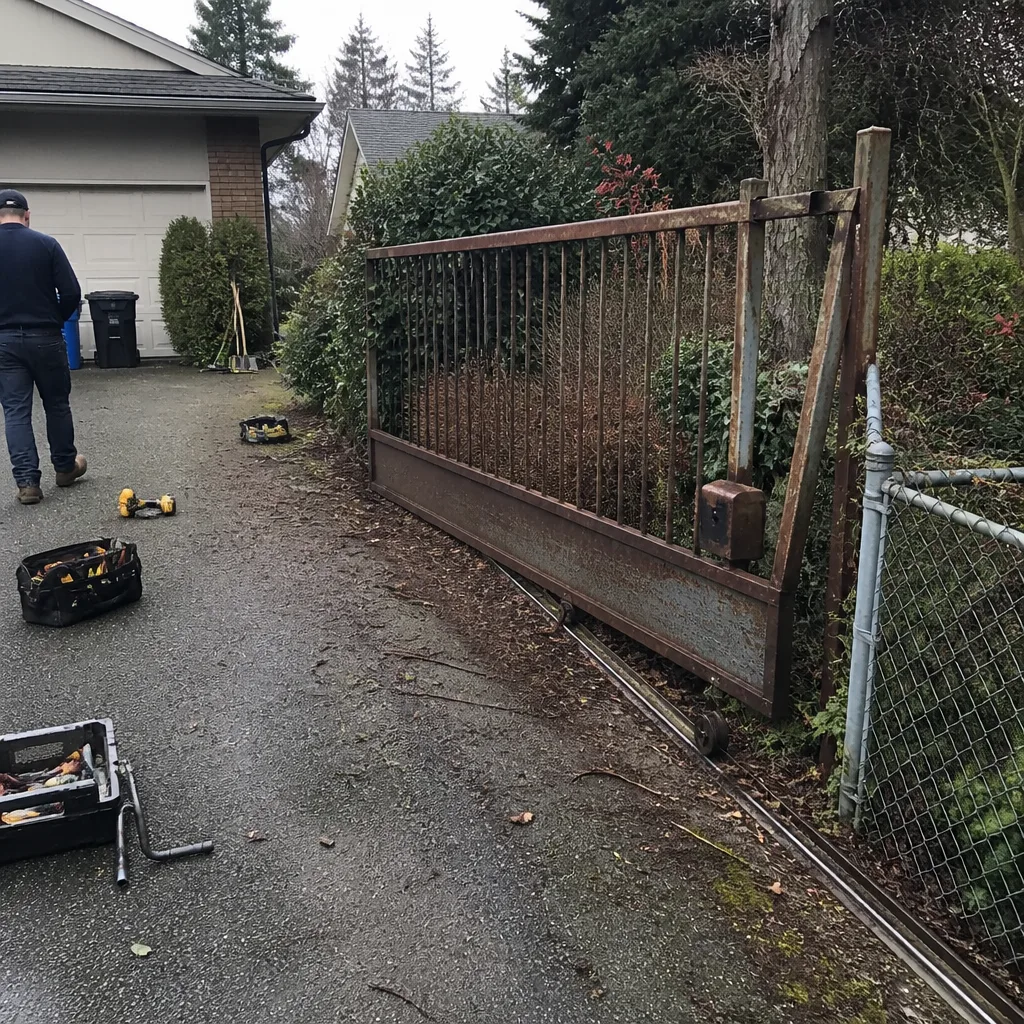
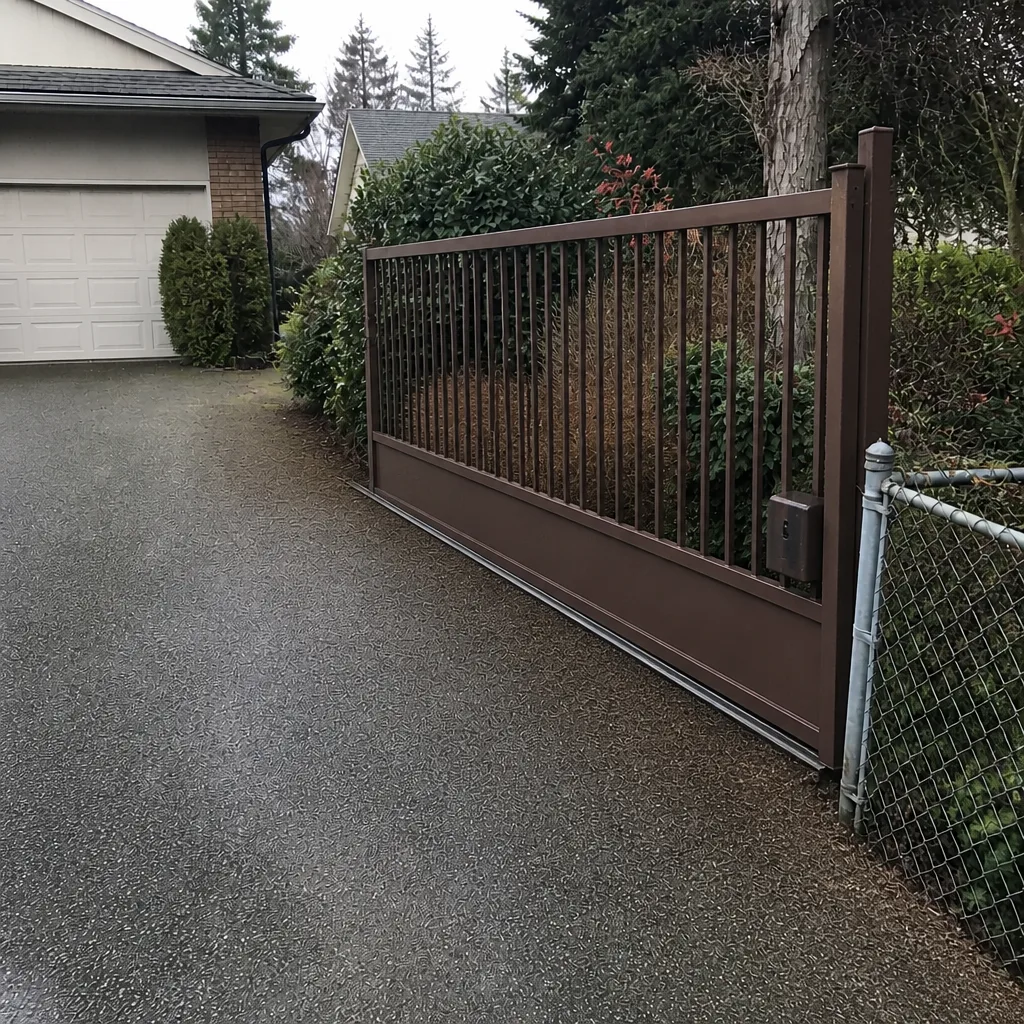
See the difference
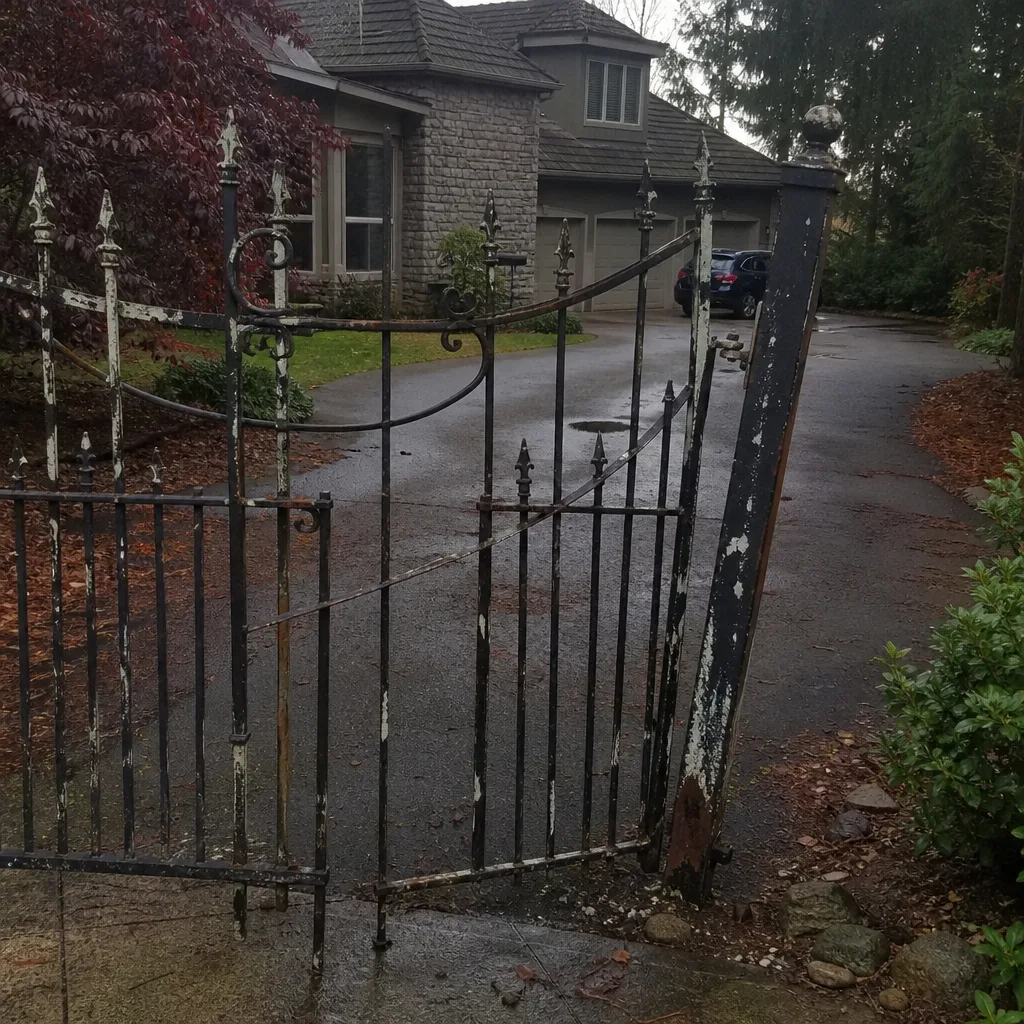 Before
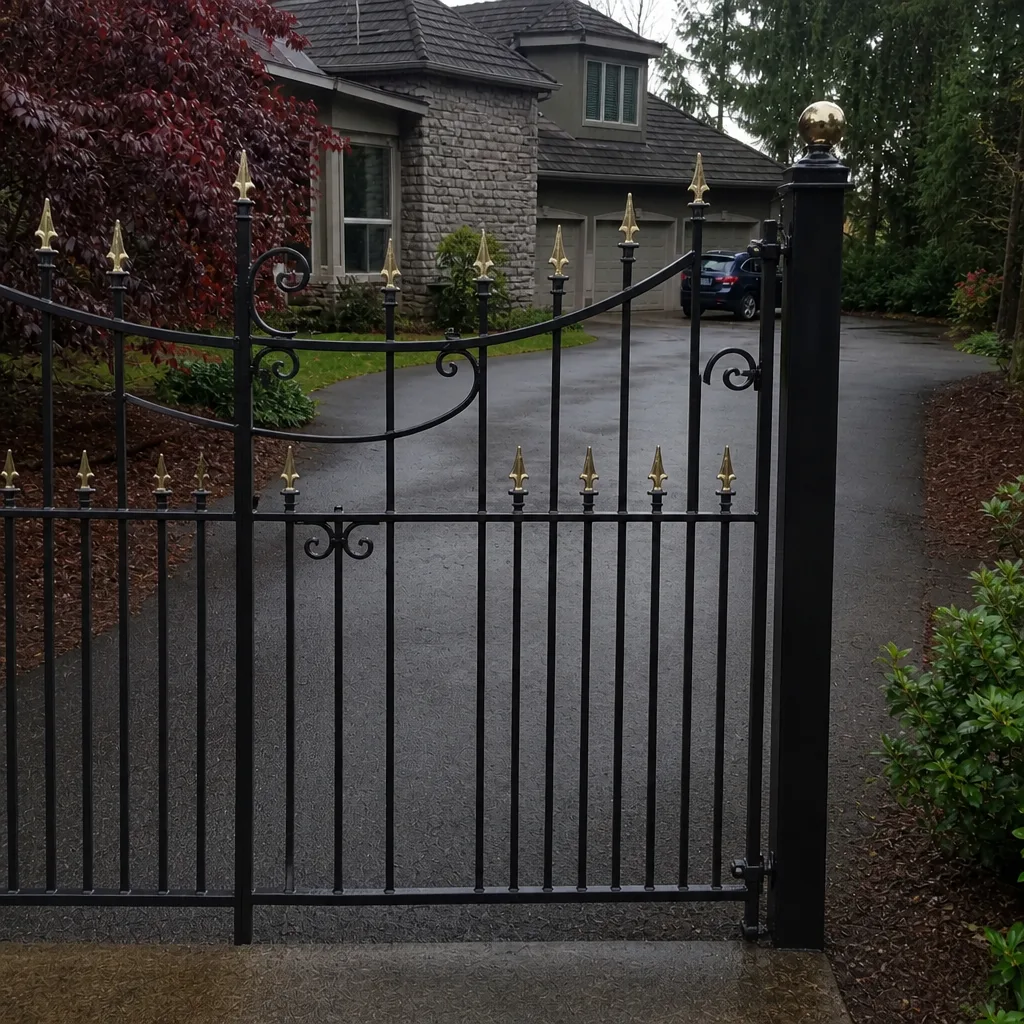 After
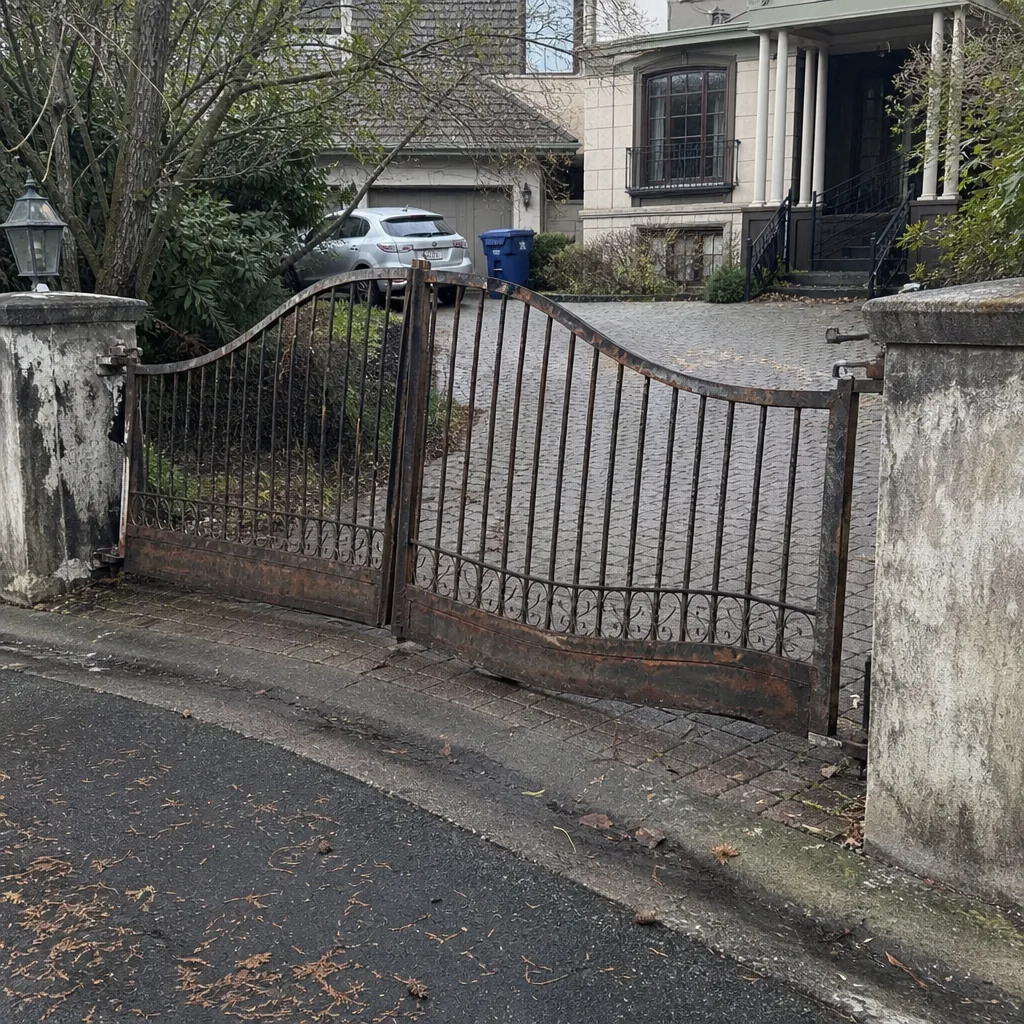 Before
 After
 Before
 After
When to Call a Professional
Call a gate specialist when the operator won’t open or close, when a gate reverses or closes too fast, when the control board shows fault codes or the unit behaves erratically, when an access loop detector or intercom stops responding, when a slide gate comes off its track, or when a power problem affects a heavy panel. Those are diagnosable problems with known fixes – and on automated gates the dangers are real: heavy panels can crush, slide gates that leave the track can injure, and operator wiring and power carry genuine shock risk. Don’t attempt to troubleshoot the electrical side yourself. Bellevue Gate Repair offers free estimates in Bellevue – call (855) 683-9015. We answer 24/7. Fast dispatch from 7am to 7pm, Sunday through Friday.
Frequently Asked Questions
For most single-family driveways in Bellevue, a residential-class operator such as LiftMaster is the right fit because it’s designed for light to medium swing and slide gates and has strong local support. If your gate is a heavy or high-cycle shared entry, a heavier-duty system like FAAC or Viking fits better. Match the operator to the gate’s weight and daily cycle count first, then confirm local parts and service availability. Call (855) 683-9015 for an exact recommendation – estimates are free.
Brand matters because automated gate electronics are their own specialty – control boards, loop detectors, intercom integration, and safety edges. A brand-agnostic specialist who works on many brands can diagnose the actual fault instead of defaulting to replacement because the system is unfamiliar. General handymen often turn down this work. If you want a gate specialist on-site rather than a generalist guessing at your control board, call (855) 683-9015.
An authorized dealer has a direct relationship with the manufacturer, which matters for warranty claims and proprietary diagnostic tools. A specialist who can repair a brand but isn’t an authorized dealer may still have the skill and parts access, but may not be able to process a manufacturer warranty claim. For in-warranty work use the authorized channel; for out-of-warranty repair, a brand-agnostic specialist is often the better call. Call (855) 683-9015 to sort out which applies to your gate.
Yes. Bellevue’s wet, humid winters and cold snaps are hard on control electronics, and brands differ in how well they seal enclosures, coat boards, and design battery backup for cold weather. The most common electronic failure we see is water ingress and condensation on the control board, followed by backup batteries that sag in the cold. Asking how a brand has performed through several wet seasons locally is more useful than reading a spec sheet. Call (855) 683-9015 for a free on-site assessment.
Usually no, unless the current brand was the wrong fit for the gate’s duty cycle. Staying on-brand keeps parts, diagnostics, and access control integration consistent across the property and simplifies future repairs. A brand switch can mean new receivers, remotes, and reprogramming work. If you’re changing class because the gate needs heavier-duty hardware, plan the access control changes at the same time. Call (855) 683-9015 to map out a replacement before ordering parts.
In most cases, yes. We work on LiftMaster, FAAC, BFT, Linear, Viking, Ghost Controls, DoorKing, Elite, and Mighty Mule, and our technicians have up to experience diagnosing both a gate’s mechanical structure and its electric and automation components. If a brand isn’t one we carry parts for directly, we’ll tell you honestly what the situation is and what the options are. Call (855) 683-9015 – we answer 24/7, with fast dispatch from 7am to 7pm, Sunday through Friday.
The Bottom Line
The right gate operator brand for a Bellevue property is the one matched to the gate’s weight and cycle count, with parts and qualified local technicians available when it fails. Serviceability outranks features. Residential swing gates lean toward LiftMaster-class operators, heavy and high-cycle gate work toward FAAC or Viking-class systems, and entry-level units like Mighty Mule serve lighter gates well but not commercial duty. In our wet, cold-climate experience, control boards that handle moisture and battery backup that holds up in the cold matter most. Stay on-brand when you replace, check warranty and dealer status before anyone touches a covered unit, and always get the diagnosis and the written estimate before any work starts.
If you’d like a straight answer about your gate’s operator, brand, and repair options, call (855) 683-9015 for a free estimate. We answer 24/7. Fast dispatch from 7am to 7pm, Sunday through Friday.
Written by the team at Bellevue Gate Repair.