
Last updated November 15, 2026
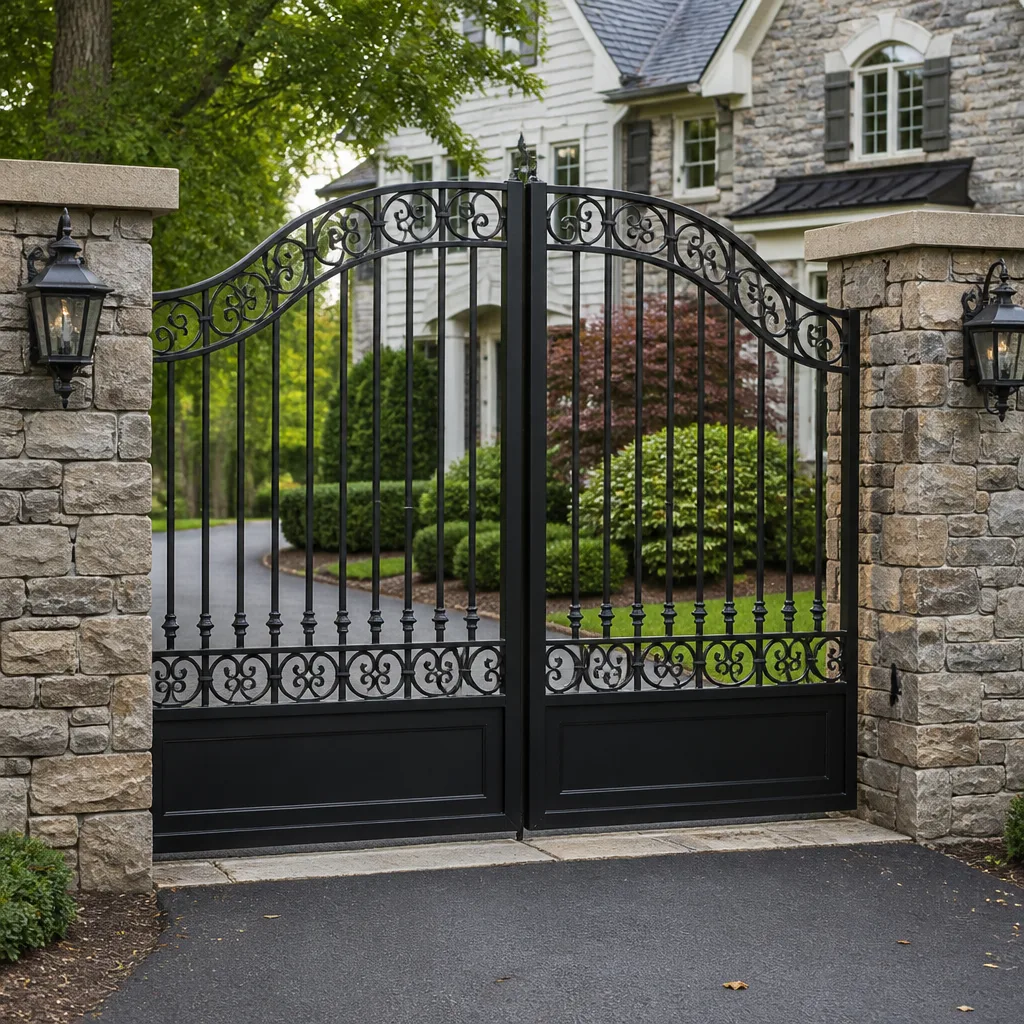 Wrought iron
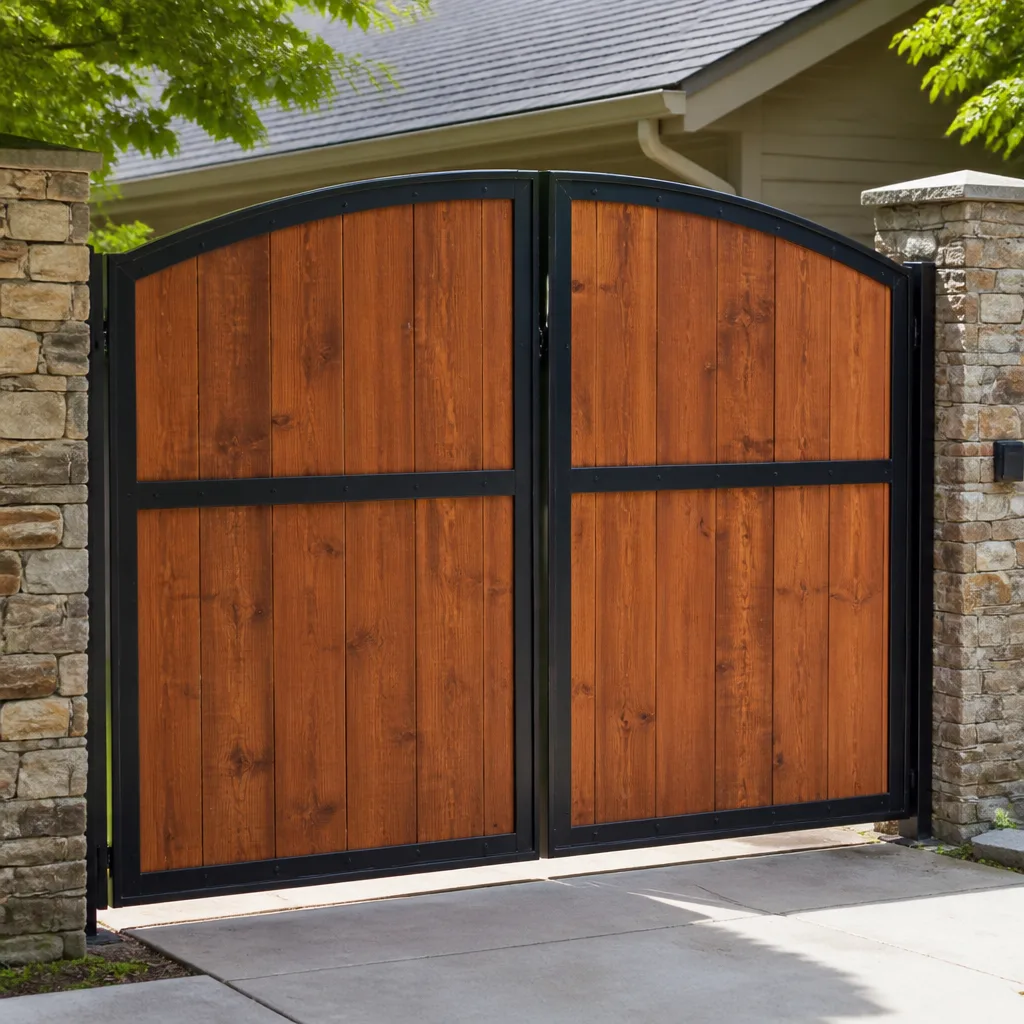 Wood & steel frame
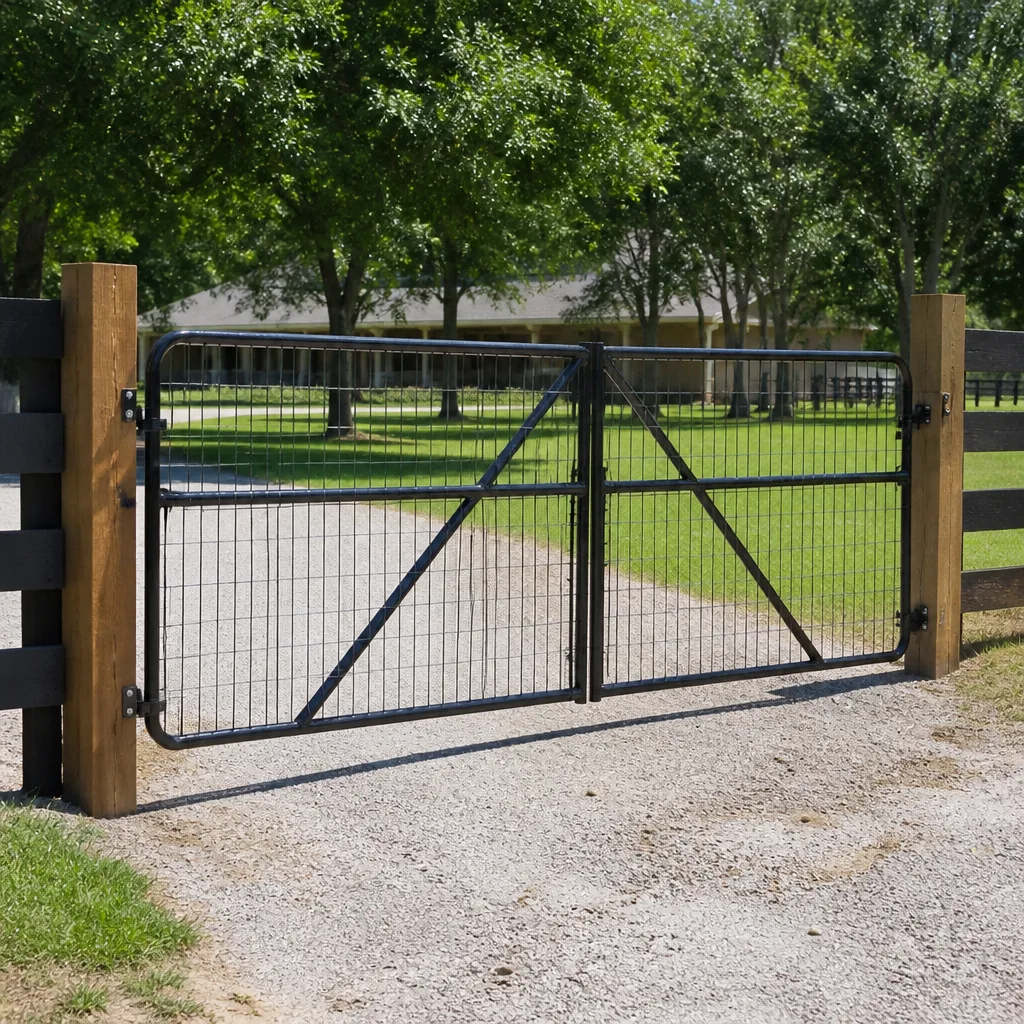 Farm & ranch
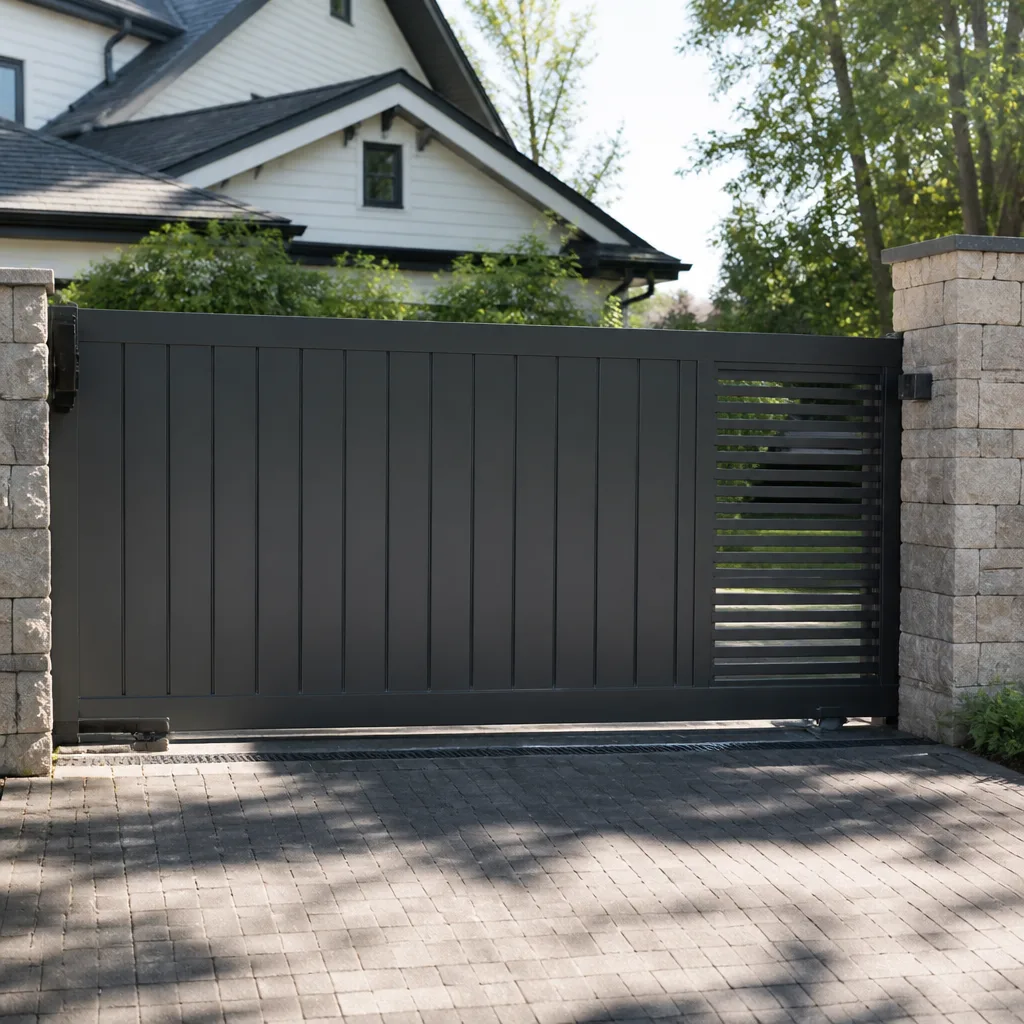 Sliding driveway gates
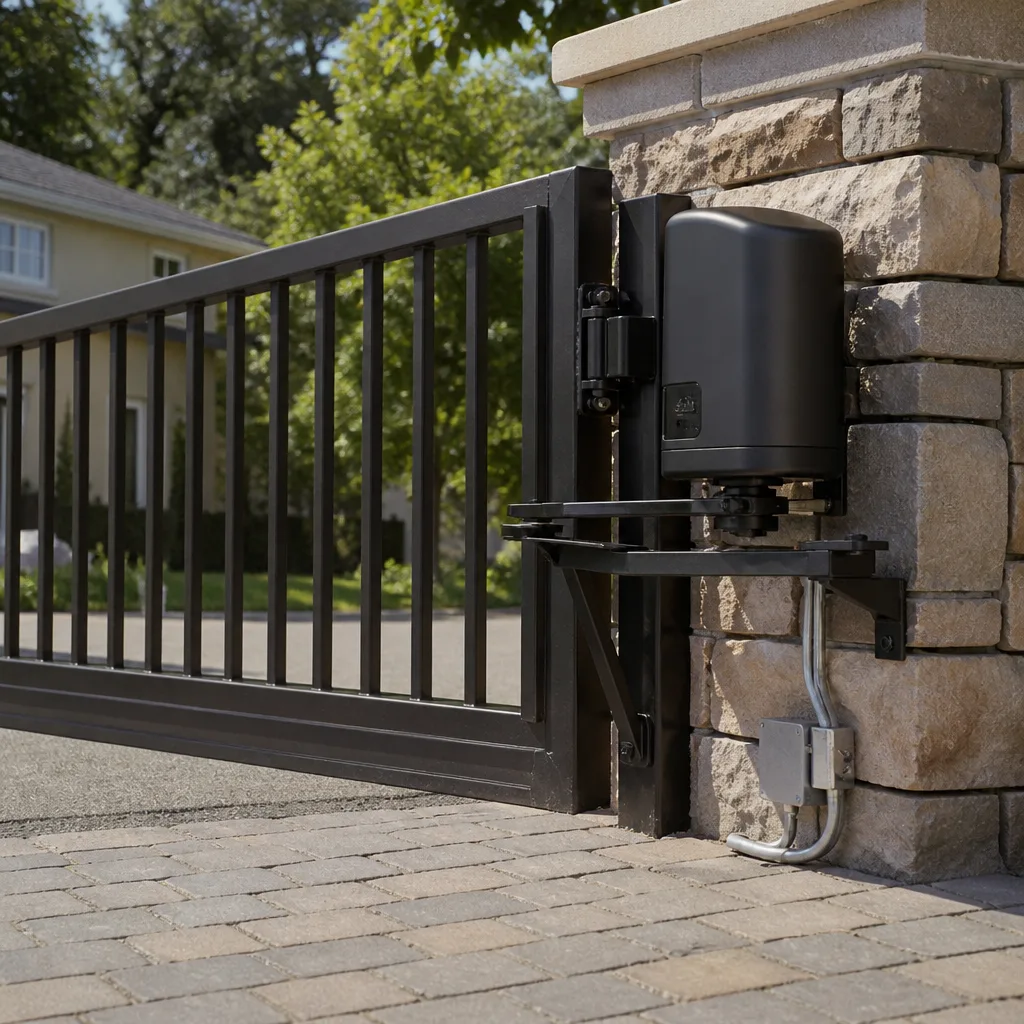 LiftMaster operators
Free on-site gate assessment - hinges, posts, and your LiftMaster or Nice gate operator checked before anything is quoted
The assessment is free and the quote is the invoice.
Get your free estimateGate Repair Maintenance Schedule: What to Do and When
Most gate maintenance advice tells you to start in spring. In Bellevue, that’s backwards. October is the month that matters. The rains arrive in November, and they expose every weakness in your lubrication, your drainage, and your electrical sealing that a dry summer quietly masked. Hinges that felt smooth in August start to groan. Operators that ran clean all summer begin to trip their limits once the moisture sets in. By the time you notice a problem in January, you’re often looking at a repair that a few hours of fall prep would have prevented. This guide lays out a month-by-month schedule built around how Bellevue actually weathers, the components that need attention and when, and how to tell the difference between “watch this” and “fix it now.”
Quick Answer
A sound gate maintenance schedule follows your local weather, not the calendar on the wall. In Bellevue, that means a heavy push in October before the rains, a mid-winter electrical and drainage check, light lubrication in late spring, and a full mechanical inspection in summer. Automated gates need cycle-count tracking; manual gates need hardware and footing checks. The schedule should match your operator, your gate material, and how many vehicles pass through each day.
Styles & brands we work with
- Wrought iron
- Wood & steel frame
- Farm & ranch
- Sliding driveway gates
- LiftMaster operators
Table of Contents
- Why October Is the Most Important Maintenance Month in Bellevue
- The Bellevue Month-by-Month Gate Maintenance Calendar
- Which Lubricants Go on Which Components (and Why WD-40 Is a Mistake)
- Tracking Operator Cycle Counts: Residential Swing vs. Commercial Slide Gates
- Reading Your Inspection: “Monitor This” vs. “Fix This Now”
- Building a Maintenance Log That Makes Future Repairs Faster
- Automated Gate-Specific Checks: Boards, Loops, and Safe Edges
- Common Mistakes to Avoid
Why October Is the Most Important Maintenance Month in Bellevue
Bellevue’s climate swings harder than most people realize. Summers are warm and dry, sometimes for weeks on end. Then fall arrives and the region shifts into a wet season that runs well into spring. That transition is the stressful moment for any gate system. Metal expands with summer heat and contracts as temperatures fall. Wood swells and shifts with moisture. Lubricants that were doing their job in July dry out or wash away under the first real rain. Electrical enclosures that stayed dry all summer get tested for the first time in months.
October is when you want to get ahead of all of it, while the weather is still workable and before the ground softens into mud that makes footing checks messy. Here’s what a thorough October service visit looks like:
- Inspect and re-lubricate every hinge, roller, and pivot point with a product suited to the component (more on that below).
- Clear debris from the gate’s travel path, tracks, and any drainage channels near the posts.
- Check that operator enclosures, junction boxes, and control cabinets are sealed tight against rain.
- Test the safety edges and photo-eyes to confirm they still reverse the gate reliably.
- Look at footing and post integrity before the ground gets saturated.
- Review the manual release mechanism to make sure it still works if power goes out in a storm.
Homeowners and HOA managers across Bellevue who do this in October spend far less time chasing failures in the middle of a wet December. If your gate is already showing trouble, or you want an experienced eye on it before the season turns, gate repair starts with a proper inspection rather than a guess.
The Bellevue Month-by-Month Gate Maintenance Calendar
A generic “quarterly checkup” reminder misses the point in a place with a real wet season. The schedule below maps maintenance tasks to Bellevue’s actual weather patterns. Adjust the frequency for traffic volume, but the seasonal rhythm holds.
January – February: Deep-Winter Electrical and Drainage Check
- Confirm control cabinets and operator housings are dry inside; look for condensation or water intrusion.
- Check that drainage away from the posts is clear so standing water doesn’t undermine footing.
- Test the operator’s auto-reverse and limits again; cold, damp conditions can shift them.
- Clear any snow or debris from the travel path if it accumulates.
March – April: Post-Winter Mechanical Review
- Inspect for rust, corrosion, and paint failure after months of moisture.
- Check hinge and roller wear; winter is when binding becomes noticeable.
- Re-torque fasteners on hinges, brackets, and operator mounts.
May – June: Light Lubrication and Hardware Check
- A light pass of the right lubricant on hinges and moving parts as things dry out.
- Inspect wood gates for cracking, swelling, or fastener pull-out.
- Check gate alignment; seasonal ground movement can cause sag.
July – August: Full Mechanical and Structural Inspection
- Full check of posts, footings, and frame welds while the ground is firm.
- Inspect the operator for wear, belt or chain condition, and control board health.
- Update the maintenance log with everything found.
September – November: The Big Push (Pre-Rain Prep)
- The October service visit described above: lubrication, sealing, safety, drainage.
- Clean and protect electrical components before the wet season.
- Test manual release and backup power now, not after a storm knocks the power out.
December: Mid-Season Spot Check
- A quick look for water intrusion and anything the first heavy rains revealed.
Commercial properties with heavy traffic should add a light check between these intervals, because cycle counts climb much faster than most people assume.
Which Lubricants Go on Which Components (and Why WD-40 Is a Mistake)
The single most common maintenance error we encounter on gates around Bellevue is reaching for WD-40 every time something squeaks. Standard WD-40 is a water-displacing solvent, not a lasting lubricant. It thins out and evaporates, and it can wash away the thicker grease that was actually protecting a hinge. Use it on the wrong part and you accelerate wear instead of reducing it. The gate feels better for a day, then gets worse than before.
Here’s a component-by-component guide:
- Hinges and pivot points: a heavier grease or a dedicated hinge lubricant. It stays put, resists rain, and doesn’t run off in a week.
- Rollers and track: a light lubricant on the roller bearings, but keep the track itself dry and clean. Grease on a slide track attracts grit that acts like sandpaper.
- Chains and belts (operator): a chain-specific lubricant for chain-drive operators; belts generally need no lubrication, just inspection for cracks or glazing.
- Locks and latches: a dry-film or graphite-style product that won’t gum up in cold weather.
- Exposed metal surfaces: a corrosion-inhibiting coating, especially on hardware that sees rain for months.
One more rule: don’t over-lubricate. Excess grease traps dirt and Pacific Northwest pollen, which turns into a grinding paste on moving parts. A thin, even application beats a heavy coat. If the mechanism is binding or has seized, that’s a sign to inspect deeper rather than just add more grease. When a gate is fighting you through its whole travel, electric gate repair is often the better call than another round of lubricant.
Tracking Operator Cycle Counts: Residential Swing vs. Commercial Slide Gates
Most automated operators have a built-in cycle counter, and it’s the most useful number in your entire maintenance log. A cycle is one full open-and-close motion. Residential swing gates typically cycle a handful of times a day. Commercial slide gates at a busy property, a storage yard, or a multi-family complex can cycle hundreds of times in a single day. That difference in cycle count is why a residential schedule and a commercial schedule look nothing alike.
Here’s why it matters:
- Operators have a working life measured in cycles, not years. High-cycle gates hit their wear limits far sooner.
- Wear items like rollers, chains, and belts degrade in proportion to cycles, so maintenance intervals should scale with them.
- A rising cycle count alongside a rising failure rate tells you it’s time to inspect the operator itself, not just the gate.
How to use the counter:
- Note the cycle count at every service visit and record it in your log.
- Calculate cycles per day between visits. That’s your real traffic number.
- If a residential gate climbs into commercial-level daily cycles, shorten your inspection intervals.
- Watch for a sudden jump in cycles that doesn’t match actual traffic. It can indicate a stuck limit, a ghost loop trigger, or a control issue.
We work on Ghost Controls and Mighty Mule operators regularly, and both have cycle-monitoring approaches worth understanding. On commercial DoorKing systems, cycle tracking combined with loop-detector performance is the core of any schedule. Understanding your counter turns a vague “check the gate periodically” into a real, data-driven plan.
Reading Your Inspection: “Monitor This” vs. “Fix This Now”
Any inspection turns up a list of things, and the skill is sorting them. Fix everything and you overspend. Fix nothing and you wait for a failure. Here’s how we separate the two, based on what we see in Bellevue gates.
Signs to “Monitor This”
- Light surface rust on hardware that isn’t affecting movement.
- A hinge that’s slightly noisier but still moves freely.
- Minor paint flaking on a gate that’s otherwise structurally sound.
- Slight seasonal sag that corrects with the weather.
Signs to “Fix This Now Before It Fails”
- Any hesitation, stutter, or binding in the gate’s travel.
- A safety edge or photo-eye that fails to reverse the gate on test. This is a safety-critical failure, not a monitor item.
- Water visible inside an operator or control enclosure.
- Loose posts or footing movement, especially with more rain on the way.
- A manual release that won’t disengage, since that’s your fallback when power fails.
- Grinding or clicking from the operator itself, which usually points to gears or the control board.
The rule of thumb: anything mechanical that’s actively degrading, and anything electrical or safety-related that fails a test, gets fixed. Cosmetic items on structurally sound gates get monitored. A gate that fails at midnight during a wind storm is almost always one of the “fix now” items that was quietly filed under “monitor.” That’s why the fall inspection in Bellevue carries extra weight: post-storm failures are far more common than fair-weather ones.
Gates that won’t open, close too fast, or have an operator that’s grinding are diagnosable problems with known fixes. If you’re not sure which category a symptom belongs to, that’s the moment to get a specialist eye on it.
Building a Maintenance Log That Makes Future Repairs Faster
A maintenance log isn’t busywork. It turns every future repair visit into a faster, more accurate diagnosis, and it supports warranty claims because you have a documented history. A technician who arrives with a clear record of what’s been checked and when can skip the guesswork. Here’s a simple structure that works for residential and HOA properties alike.
What to Record at Every Visit
- Date and cycle count from the operator.
- Components inspected (hinges, rollers, operator, safety edges, control board, footing).
- Findings: what was found, with a clear “monitor” or “fixed” label for each item.
- Parts and products used: lubricant type, any replaced components, brand and model of the operator or control board.
- Tests performed: safety edge reversal, photo-eye, manual release, limits.
- Next recommended service date.
Keep it simple: a notebook or a shared spreadsheet works fine. The point isn’t a fancy system, it’s consistency. Note which brand and model your operator is (LiftMaster, FAAC, Elite, and the others all behave a little differently), because when a repair visit arrives, knowing the exact system saves diagnostic time and helps a technician bring the right parts. A log also reveals patterns: if the same hinge keeps binding every spring, that’s a sign of a deeper alignment or footing issue rather than a recurring lubricant problem.
For a property manager, the log doubles as a justification for budget and scheduling. Instead of “the gate needs work,” it’s “the operator has hit this cycle count and the rollers are showing this wear.”
Automated Gate-Specific Checks: Boards, Loops, and Safe Edges
Automated and electric gates carry maintenance items that manual gates simply don’t have, and this is where general handymen usually stop returning calls. The electrical and automation side is its own specialty. Here are the checks that belong on any automated gate schedule in Bellevue.
- Control board health: look for moisture, corrosion, or failing capacitors. Boards are often the first thing to go when enclosures aren’t sealed.
- Loop detectors: test that the exit and safety loops reliably detect a vehicle and that the gate doesn’t close on one. Ghost triggering from a failing loop is a common cause of erratic behavior.
- Safety edges: physically test the reverse on an obstruction. This is the most important test on any automated gate and should never be skipped, especially with children or pets around.
- Photo-eyes and intercom integration: confirm the beam isn’t blocked by debris or misaligned by seasonal ground movement, and that intercom calls reliably trigger the gate.
- Manual release and backup power: both must work. A power outage or storm is the wrong time to discover they don’t.
These electrical checks involve live components and, on some gates, mains wiring. Please don’t open a control enclosure or probe wiring yourself. A trained technician should handle anything inside the operator or the electrical panel. Gates carry stored mechanical energy and live electrical components, and getting that wrong is genuinely dangerous. Our technicians have up to experience with these systems, and the safety checks are why. If your gate isn’t reversing properly or the operator is acting unpredictably, don’t wait on it.
Common Mistakes to Avoid
- Spraying WD-40 on hinges every time they squeak. As covered above, standard WD-40 is a solvent that washes away real grease and shortens component life. Use a proper grease and apply it sparingly.
- Waiting for spring to start maintenance. In Bellevue, the important work happens in October, before the rains. A spring start means the wet season already found every weak point.
- Ignoring the operator’s cycle counter. Without a cycle count you’re guessing at intervals. A high-traffic commercial gate needs a different schedule than a residential swing gate, and the counter is how you know.
- Skipping the safety-edge test. It’s the one check that protects people. A gate that fails to reverse on obstruction should be taken out of service until it’s fixed.
- Lubricating the slide track itself. Grease on a track attracts grit and turns into an abrasive paste. Clean the track; lubricate the rollers.
- Greasing everything “to be safe.” Over-lubrication traps pollen and dirt in the Pacific Northwest and grinds moving parts faster. More isn’t better.
- Never recording anything. No log means every repair visit starts from zero, and warranty claims get harder to support. A few notes per visit pay for themselves.
See the difference
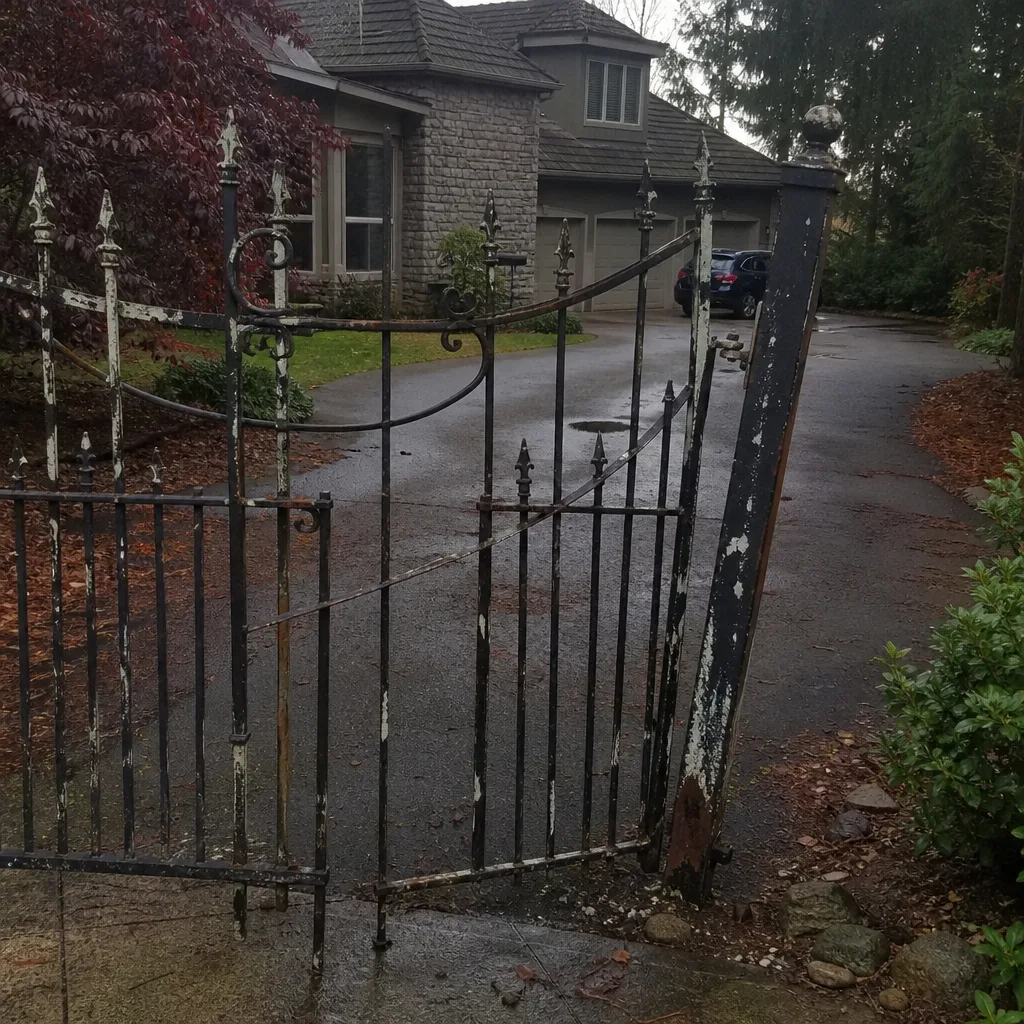 Before
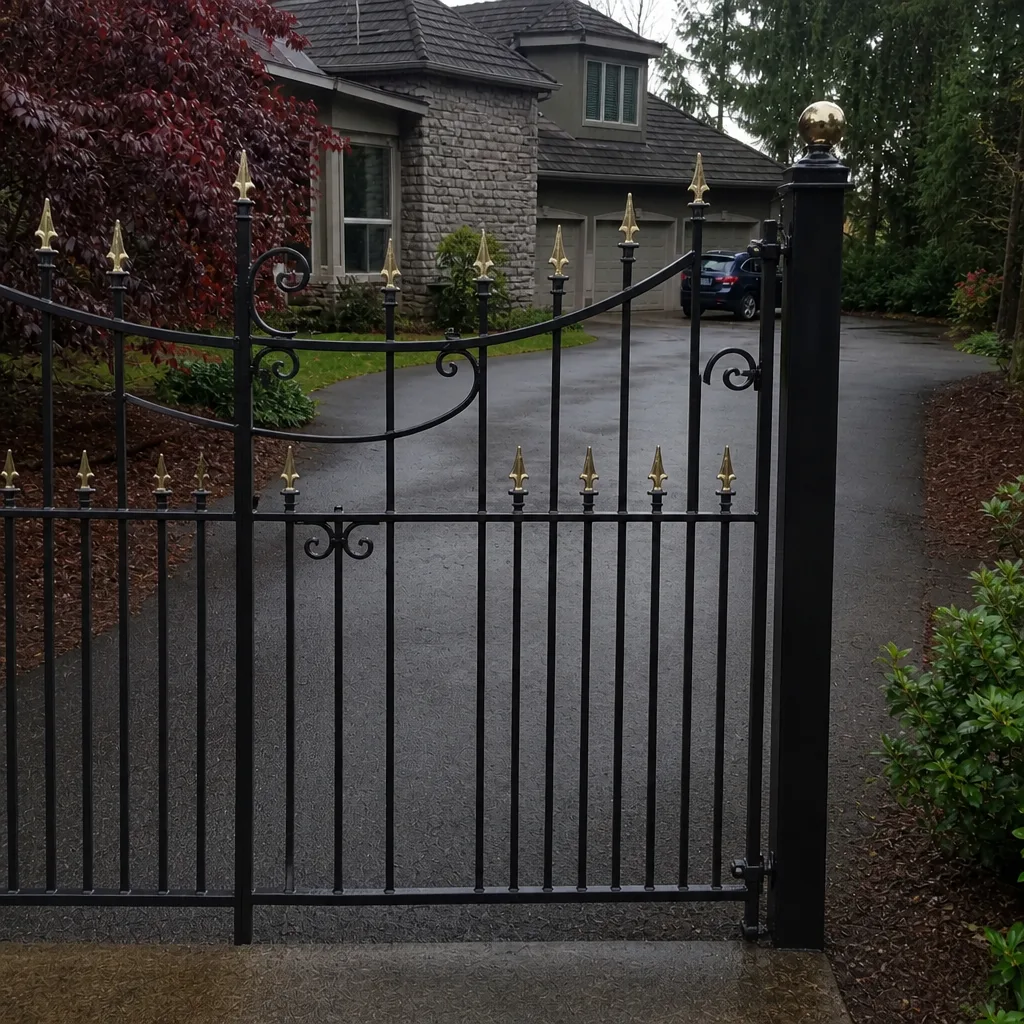 After
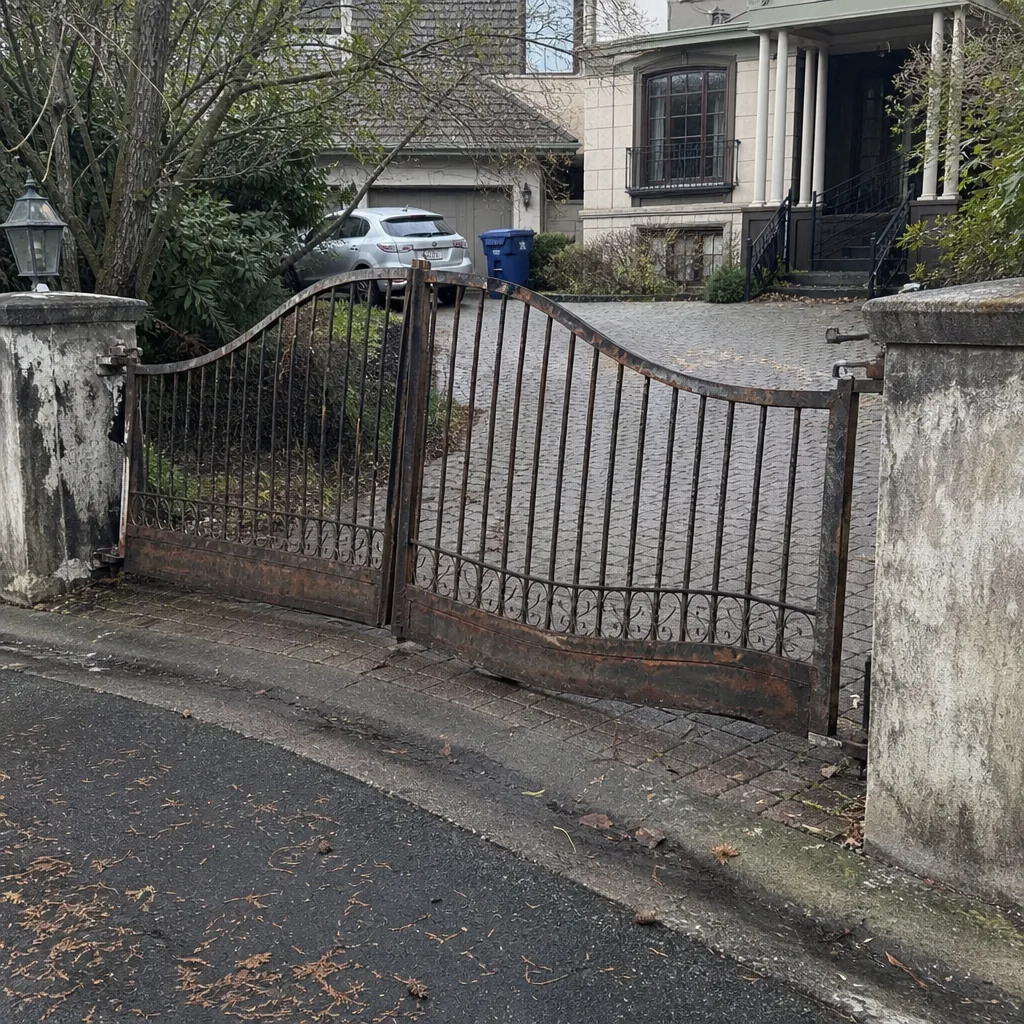 Before
 After
 Before
 After
When to Call a Professional
Some tasks are fine for a careful property owner: clearing debris, noting a cycle count, visually checking for rust. Others should bring in a specialist. Call a professional when the gate binds, stutters, or moves unevenly; when a safety edge or photo-eye fails its reverse test; when there’s water inside an operator or control enclosure; when the operator grinds or clicks; when a post or footing feels loose; or when the manual release won’t engage. Anything electrical, anything involving the control board or loop detectors, and anything structural gets a trained eye, not a guess. Bellevue Gate Repair offers free estimates in Bellevue. Call (855) 683-9015. We answer 24/7. Fast dispatch from 7am to 7pm, Sunday through Friday.
Frequently Asked Questions
Most residential gates should get a thorough service in October before the rains, a mechanical inspection in summer, and a light check in spring. High-traffic commercial and automated gates usually need shorter intervals tracked by cycle count. The exact schedule depends on your operator, material, and daily traffic.
Because the wet season starts in November, and October is your window to seal, lubricate, and check drainage before months of rain test every weakness. Summer dries things out and masks small problems that the first heavy rains expose. Pre-rain prep prevents far more failures than a spring cleanup.
No, not as a lasting lubricant. Standard WD-40 is a water-displacing solvent that evaporates and can wash away the thicker grease protecting a hinge, so the squeak returns worse. Use a proper hinge grease or dedicated lubricant and apply it sparingly.
Monitor cosmetic issues like light surface rust or slight paint flaking on a structurally sound gate. Fix now anything mechanical that’s actively degrading and anything electrical or safety-related that fails a test, including a safety edge that won’t reverse, water inside the operator, or a loose post. Erratic movement and operator grinding are repair items.
Record the date, the operator cycle count, components inspected, findings with a “monitor” or “fixed” label, parts and lubricants used, the operator brand and model, tests performed, and the next service date. This speeds up future repairs and makes warranty claims easier to support.
Yes. Automated and electric gates add control boards, loop detectors, safety edges, photo-eyes, intercom integration, and backup power to the checklist, which are electrical components best left to a trained technician. Manual gates focus on hinges, hardware, footings, and finish. Both still follow the same seasonal rhythm.
The Bottom Line
A gate maintenance schedule should fit your gate, not a generic calendar. In Bellevue, that means putting the heavy work in October before the rains, checking electrical and drainage through winter, doing a full mechanical inspection in summer, and tracking cycle counts so high-traffic gates get the shorter intervals they need. Use the right lubricant on the right component, read your inspection honestly, and keep a simple log. Do that and you’ll trade emergency repairs for planned ones. When something needs a specialist, Bellevue property owners can reach Bellevue Gate Repair at (855) 683-9015. We answer 24/7. The estimate is free, and the price is set per job by the written estimate before any work starts.
For a full overview of what we do, see Bellevue Gate Repair.
Written by the team at Bellevue Gate Repair.